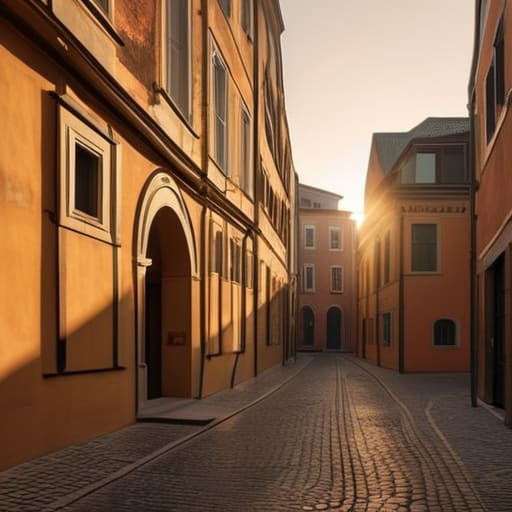
I was standing in a dusty courtyard in San Cataldo last Tuesday, running my hand over a seam where the new concrete met the old stone, when it hit me how much we get wrong. Most theorists treat Aldo Rossi and urban memory like some ethereal, untouchable ghost haunting the streets of Italy, wrapping his ideas in layers of impenetrable academic jargon. They talk about “collective archetypes” as if he were a philosopher rather than a man who understood the weight of a wall. To me, his work isn’t a concept to be debated in a lecture hall; it is a physical presence found in the way a shadow falls across a repetitive facade or how a courtyard forces you to remember the city’s old boundaries.
I am not here to give you a lecture on postmodernism or recite textbook definitions that mean nothing once you step onto a construction site. Instead, I want to show you how to actually read the city. I promise to strip away the hype and look at the joints, the volumes, and the deliberate scars left behind by his logic. We are going to look at the bones of his work to understand how a building can hold onto the past without becoming a museum piece.
Table of Contents
Reading the Scars of Neo Rationalism in Architecture
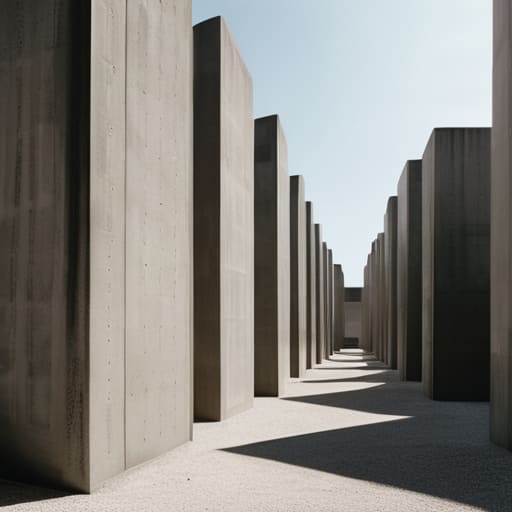
When I walk through the San Cataldo cemetery in Modena, I don’t see the geometry as an abstract exercise. To me, those repetitive, austere volumes feel less like a stylistic choice and more like a stubborn refusal to let the city forget its own grammar. This is the grit of neo-rationalism in architecture; it isn’t about the pretty facade, but about the terrifyingly precise way a wall asserts its presence. You can see it in the way the shadows fall across the concrete—there is a weight there that demands you acknowledge the architectural typology theory behind it. He wasn’t just stacking blocks; he was trying to rediscover the fundamental DNA of how we inhabit space.
If you look closely at the junctions where his structures meet the existing streetscape, you realize he wasn’t interested in the chaotic sprawl of postmodern urbanism. Instead, he sought a way to anchor the new into the old without the cheap trick of imitation. He looked for historical continuity in design by stripping everything back to the essential. It’s in the rhythm of the openings and the unapologetic repetition of forms that you find his true intent. He didn’t want to build a landmark; he wanted to build a piece of the city that felt as though it had always been waiting to be found.
Where the Citys Pulse Meets Its Past
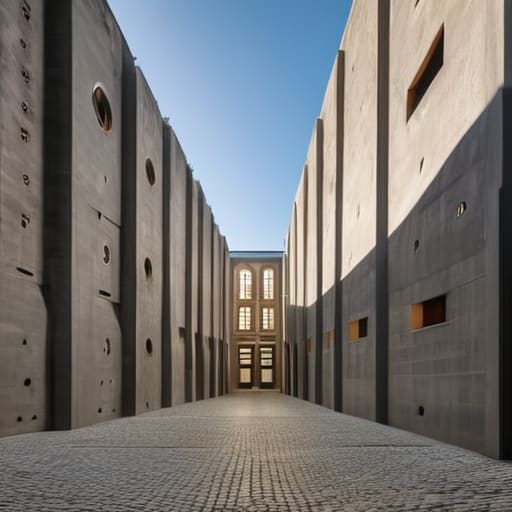
I often find myself standing in front of one of his monolithic structures, not looking at the silhouette against the sky, but at the way the base anchors itself to the street. There is a specific tension in his work—a refusal to let the building exist as an isolated object. Instead, he forces a dialogue with the surrounding fabric, insisting on a historical continuity in design that feels almost defiant in our era of glass-and-steel detachment. You see it in the way a courtyard is carved out or how a facade rhythmically repeats a pattern found in a nearby medieval block. He wasn’t just building; he was attempting to weave new threads into an ancient, fraying tapestry.
To understand this, you have to look past the geometry and toward architectural typology theory. For Rossi, a building wasn’t a singular event, but a participant in a much larger, ongoing conversation. He understood that the city is a collection of types—the square, the tower, the portico—that persist even as the people inside them change. When I trace the seam where his concrete meets an older stone wall, I don’t see a clash; I see the architecture of the city asserting its right to evolve without forgetting its own grammar.
The Weight of the Trace
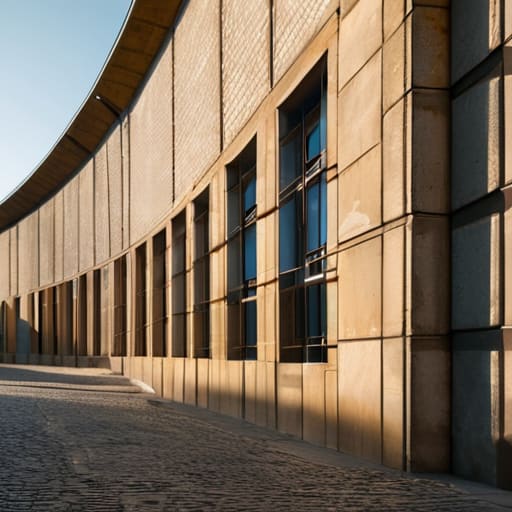
We have spent this time looking past the grand facades to find the logic hidden in the seams. To understand Rossi is to stop seeing buildings as mere objects and to start seeing them as layers of a continuous conversation. He didn’t just build structures; he attempted to stitch new stone into the existing fabric of our collective memory, using the geometry of the past to anchor the uncertainty of the present. Whether it is the stark repetition of a window or the heavy, silent presence of a monumental wall, his work reminds us that architecture is not just about space, but about the persistence of form across time.
Ultimately, my work in restoration has taught me that nothing is ever truly finished; we are simply the current custodians of a much longer narrative. When you walk through a city shaped by these ideas, I urge you to look closer—not at the skyline, but at the way a shadow falls across a courtyard or how a new edge meets an old one. If we learn to read these architectural scars, we stop being mere spectators and become part of the city’s living history. After all, a city only truly lives when we recognize that every joint and every void is a decision made by someone who wanted to be remembered.