I was standing in the shadow of the Porta Nuova last autumn, squinting against the Milanese drizzle, when I realized how much people get wrong when they talk about the Pirelli Tower and structure. Most critics treat it like some untouchable, abstract sculpture—a mere silhouette of glass and steel—as if it simply appeared in the skyline by magic. They obsess over the aesthetic “elegance” of Gio Ponti, but they completely ignore the brutal, beautiful logic of how that weight is actually held. It’s frustrating to hear people discuss it as a stylistic whim when, in reality, the building is a masterclass in how to make concrete behave like it’s breathing.
I’m not interested in giving you a glossy brochure version of architectural history. Instead, I want to take you inside the assembly, looking past the polished facade to see where the heavy lifting actually happens. We are going to strip away the romanticism and look at the mechanical truth of the tower—the way the tapered form manages its own gravity and how the structural skeleton dictates every single inch of its grace. I promise to show you that the real beauty isn’t in the view from the top, but in the integrity of the joints that keep it standing.
Table of Contents
The Logic of the Load Bearing Frame
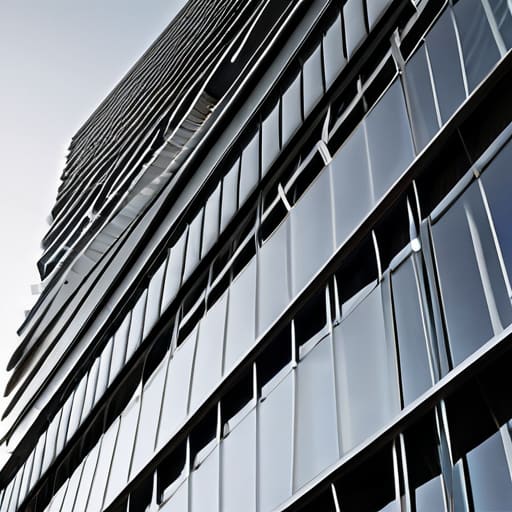
When you stand at the base and look up, you aren’t just looking at a silhouette; you are looking at a mathematical argument made visible. Unlike the heavy, blocky masonry I usually spend my days surveying, the Pirelli Building rejects the idea of a solid mass. Instead, it relies on a sophisticated, tapered skeletal system. Gio Ponti’s architectural design didn’t just aim for elegance; it demanded a radical rethink of how a vertical volume could breathe. By narrowing the floor plates as the building rises, the engineers managed to shift the center of gravity, allowing the structure to slice through the air rather than fighting against it.
The real magic, however, lies in the way the internal load-bearing frame communicates with the exterior. It is a masterclass in modernist skyscraper engineering, where the structural logic is stripped of all unnecessary ornament. You can see it in the way the concrete ribs seem to pull the weight downward, concentrating the stress in a way that feels almost organic. This isn’t just another one of the Milano skyline landmarks; it is a study in how to manage tension and compression through a tapering geometry. To me, the building feels less like a static object and more like a carefully balanced tensioned instrument, tuned specifically to the wind pressures of the Lombardy plains.
Where Modernist Skyscraper Engineering Meets Grace
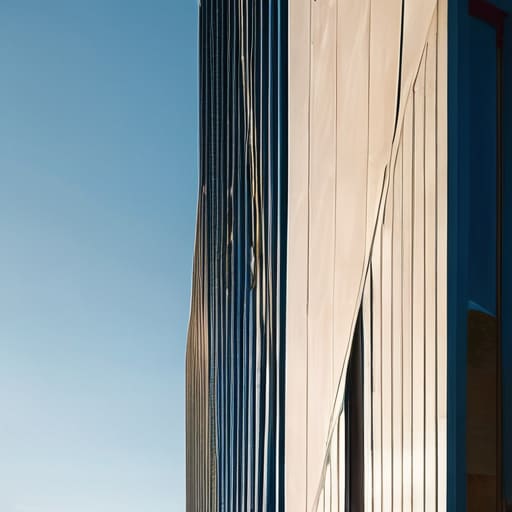
What strikes me most when standing at its base is how the building refuses to feel like a heavy, monolithic imposition on the city. Most skyscrapers of that era relied on a brute-force approach to verticality, but here, the Gio Ponti architectural design introduces a sense of lightness that feels almost defiant. He didn’t just want to build a tall office block; he wanted to sculpt the air around it. By tapering the structure as it rises, he managed to shed the visual weight that usually plagues such heights, creating a silhouette that feels more like a tapered needle than a concrete slab.
This elegance is not merely aesthetic; it is a direct result of sophisticated modernist skyscraper engineering. When you look closely at the way the floor plates are articulated, you realize the grace is baked into the mathematics of the load distribution. It is a rare moment where the technical necessity of wind resistance and structural stability aligns perfectly with a desire for slim, elegant proportions. In the context of the Milano skyline landmarks, the Pirelli remains an anomaly—a structure that proves a building can be structurally rigorous without losing its soul to the sheer gravity of its own ambition.
The Ghost in the Concrete
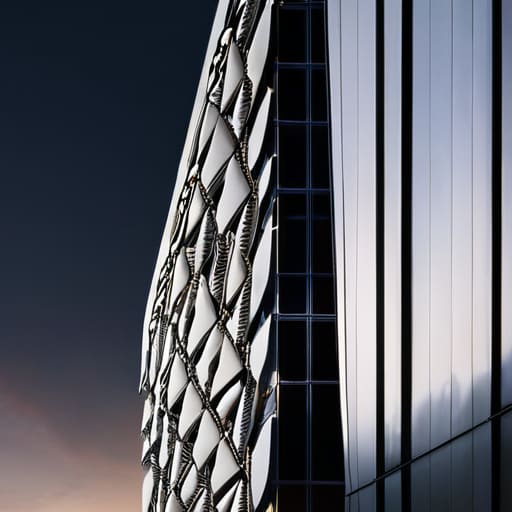
When we strip away the glass and the prestige of the Milanese skyline, we are left with the raw, structural truth of the Pirelli Tower. It isn’t just a silhouette; it is a rigorous dialogue between gravity and geometry. From the way the diagonals slash through the floor plates to the specific, calculated density of its concrete core, every element serves a purpose. We have seen how Gio Ponti didn’t just want to build a tall box, but rather a structure that understands the tension of its own weight. It is in these interconnected structural veins—the way the load is distributed through that distinctive, tapering frame—that the engineering ceases to be mere math and becomes a form of choreography.
I often find myself standing at the base of such giants, looking up not at the height, but at the joints. We tend to celebrate the “what” of architecture—the aesthetic, the fame, the icon—but we forget the “how.” The Pirelli Tower reminds us that true elegance is a byproduct of structural integrity. If you look closely enough at the way the concrete meets the sky, you realize that beauty isn’t something applied to a building like a coat of paint; it is something earned through the honest resolution of forces. A building is most alive when its bones are telling the truth.