I was standing in a damp basement in Ravenna last Tuesday, tracing the edge of a coarse, unadorned concrete lintel, when I realized how much we’ve been lied to about the “beauty” of the post-war era. Most critics treat neorealism in architecture like it’s some lofty, intellectual concept found only in dusty textbooks, but they completely miss the point. They get lost in the theory of social reform and forget to actually look at the material. To me, it isn’t about a grand manifesto; it’s about the grit under your fingernails and the way a builder decided to leave a shutter mark in the drying cement because they simply didn’t see the need to hide it.
I’m not here to give you a lecture on aesthetic movements or academic jargon. Instead, I want to show you how to read these buildings through the language of their construction. We are going to look past the weathered facades and focus on the joints, the rubble infill, and the honest, often messy decisions made by craftsmen who were trying to rebuild a world with very little. If you want to understand why these structures still feel so stubbornly alive, you have to stop looking at the silhouette and start looking at the seams.
Table of Contents
- The Scar of History Neorealism in Architecture and Postwar Reconstruction
- A Modernist Reaction to Abstraction and Empty Forms
- Healing the Ruin Through Postwar Reconstruction Architecture
- Finding the Soul in the Italian Neorealism Movement
- Rejecting the Veneer for True Architectural Authenticity
- The Emotional Weight of Socially Conscious Design
- The Truth of the Texture Material Honesty in Design
- Lessons From the Stone Vernacular Building Techniques
- Beyond the Facade: Why Neorealism Still Matters
The Scar of History Neorealism in Architecture and Postwar Reconstruction
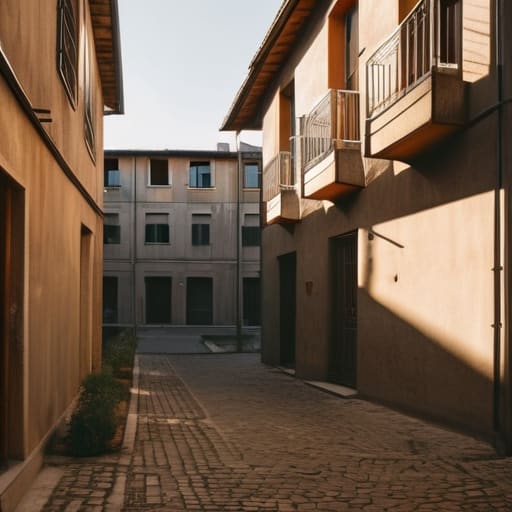
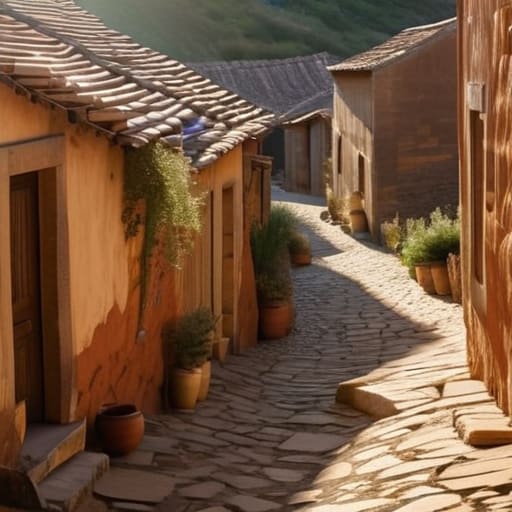
When I walk through the peripheral neighborhoods of Rome or the reconstructed blocks in Naples, I don’t see ruins; I see a frantic, beautiful attempt to find a way home. After the devastation of the 1940s, the postwar reconstruction architecture wasn’t just about putting roofs over heads—it was a moral crisis. The architects of that era were tired of the sterile, international abstractions that felt like they belonged to no one. They wanted something that breathed the same dust as the people living in it. They turned away from the polished, untouchable surfaces of high modernism and looked instead toward the vernacular building techniques that had sustained Italian villages for centuries.
It’s in the texture of the walls that you feel this shift. You see it in the way a mason might have used local rubble or a specific, coarse aggregate in the concrete to bridge the gap between the new and the old. This wasn’t just a lack of budget; it was a deliberate pursuit of material honesty in design. They weren’t trying to hide the struggle of the build. Instead, they embraced the grit. When you run your hand over a wall from this period, you aren’t just touching stone or cement—you are touching a socially conscious design that refused to pretend the war hadn’t happened.
A Modernist Reaction to Abstraction and Empty Forms
To understand Neorealism, you have to understand what it was running away from. For decades, the International Style had been perfecting a kind of weightless, sterile perfection—glass boxes and smooth, white surfaces that seemed to float above the ground without any regard for the soil beneath them. These buildings were beautiful, certainly, but they felt untethered, almost dishonest in their refusal to acknowledge gravity or local tradition. They were geometry without a pulse.
Neorealism was the corrective. It wasn’t a rejection of modern technology, but a refusal to let that technology erase our sense of place. Instead of the seamless, abstract planes of high Modernism, Neorealist architects began to reintroduce the tactile reality of the site. They brought back the rough-hewn texture of local stone and the heavy, honest presence of brick, forcing the eye to settle on the weight of the structure rather than its silhouette. It was a return to the physical truth of the object.
Healing the Ruin Through Postwar Reconstruction Architecture
When you walk through the outskirts of a city like Naples or even the smaller towns in the south, you see it: the way the reconstruction didn’t just aim to replace what was lost, but to acknowledge the trauma of the breakage. There is a specific, almost desperate logic in how the post-war builders handled the gaps left by bombings. They weren’t interested in the seamless, imperial grandiosity of the past; instead, they leaned into the materiality of necessity. You see it in the way new brickwork is spliced into ancient limestone, or how a rough-cast plaster is used to bridge a void where a decorative cornice used to sit.
It isn’t a clean healing, and it shouldn’t be. To me, the most moving part of this era is the refusal to hide the seam. There is a profound structural honesty in seeing a building that carries its scars openly, using local stone and salvaged rubble to create something that feels grounded rather than imported.
Finding the Soul in the Italian Neorealism Movement
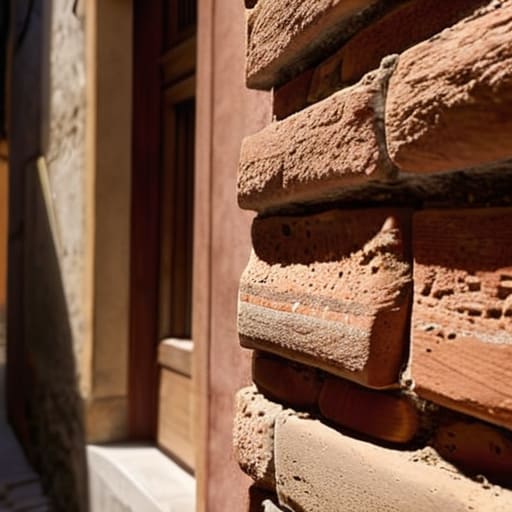
I often find myself tracing the edges of a courtyard in a small suburb of Rome, looking for that specific moment where the grandiosity of International Style falls away. In the context of the Italian neorealism movement, the soul isn’t found in a sweeping silhouette, but in the way a wall is actually put together. It was a rejection of the “machine for living” in favor of something far more stubborn and human. Architects weren’t just designing shelters; they were trying to rediscover a sense of place by looking backward to move forward.
To find this soul, you have to stop looking at the blueprints and start looking at the tactile reality of the surfaces. This era was defined by a profound commitment to material honesty in design, where the texture of rough-cast plaster or the uneven grain of local stone was celebrated rather than hidden behind a veneer. It was a quiet rebellion against the smooth, anonymous surfaces of high modernism. When I photograph a seam where a traditional brick meets a new concrete lintel, I see more than a structural necessity; I see the tension of a generation trying to bridge the gap between their ancient heritage and a broken, modern reality.
Rejecting the Veneer for True Architectural Authenticity
For years, I have walked through sites where the first instinct of a contractor is to hide everything behind a layer of smooth plaster or a decorative cladding. It’s a reflex to mask the “messiness” of construction, but to a conservationist, that’s where the life is lost. Neorealism wasn’t just a stylistic choice; it was a violent rejection of that very impulse. The movement demanded that we stop treating the building as a stage set and start treating it as a structural reality. When you strip away the ornament, you aren’t left with emptiness; you are left with the truth of how a load is carried and how a wall meets a floor.
In my surveys, I often find myself tracing the seam where a rough-hewn stone meets a poured concrete lintel. In a Neorealist structure, that seam isn’t something to be apologized for with a bit of grout or a fake trim. Instead, the joint becomes the primary language of the building. By refusing to hide the grain of the wood used for formwork or the aggregate in the mix, these architects forced us to confront the physical labor involved in making a home. They understood that authenticity isn’t found in a perfect surface, but in the honest display of the materials themselves.
The Emotional Weight of Socially Conscious Design
When I walk through the INA-Casa housing projects, I don’t see the sterile, repetitive blocks that many critics dismiss. Instead, I see the deliberate choice of brick, the way the terracotta tiling catches the light, and the intentionality of the small, communal courtyards. These weren’t just structures designed to house people; they were designed to restore a sense of dignity to a population that had lost everything. The architects of this era weren’t just calculating load-bearing capacities; they were trying to reconstruct the very fabric of social life through the tactile reality of local materials.
You can feel it in the scale of the openings and the texture of the masonry. There is a heaviness to the design that feels grounded, almost protective. It’s a far cry from the glass-and-steel detachment of international modernism. In these walls, you find a refusal to be anonymous. Every rough-hewn stone and every uneven mortar joint speaks to a period where architecture was a moral act, a way to anchor a fractured society back into the earth.
The Truth of the Texture Material Honesty in Design
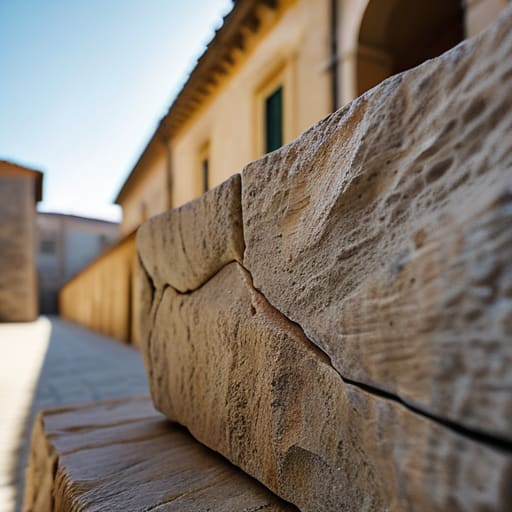
I spent three hours yesterday in a small courtyard in Trieste, tracing the edge of a single, rough-hewn stone block with my thumb. It wasn’t a masterpiece, but it was honest. In the context of the Italian neorealism movement, this kind of tactile truth was a quiet rebellion. While the high-modernists were chasing the dream of the smooth, infinite plane—surfaces so perfect they felt as though no human hand had ever touched them—the neorealists were looking back at the grit. They wanted the grain of the wood, the aggregate in the concrete, and the unevenness of a hand-applied render.
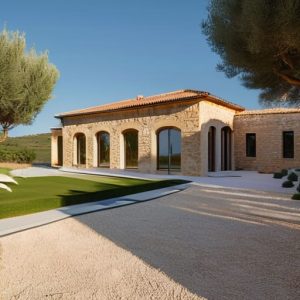
To these architects, material honesty in design wasn’t just an aesthetic choice; it was a moral one. They believed that if you hide the way a wall is actually composed, you are essentially lying to the person living inside it. I see this most clearly when I examine the vernacular building techniques that were revived during the postwar years. Instead of importing expensive, foreign finishes, they reached for what was local—terracotta, local limestone, and heavy timber. They weren’t just building shelters; they were trying to create a sense of permanence and belonging through the very weight and texture of the materials themselves.
Listening to the Grain and the Raw Aggregate
When I am out in the field, I often find myself tracing my fingers along the surface of a cast concrete wall, looking for that specific moment where the vibration of the pour settled. In Neorealist works, you aren’t looking for the smooth, clinical perfection of a machine-finished slab. Instead, you are looking for the unapologetic presence of the aggregate. You see the pebbles, the crushed limestone, and the coarse sand trapped within the matrix, refusing to be hidden by a layer of plaster or a coat of paint. There is a profound dignity in a material that refuses to pretend it is something else.
It is in these imperfections—the slight voids left by a misplaced air bubble or the uneven way the light hits a rough-hewn stone—that the human hand reveals itself. To the untrained eye, a patch of exposed aggregate might look like a failure of finish, but to me, it is a record of the struggle between the builder and the medium. We must learn to listen to the grain of these surfaces, for they tell us exactly how much effort was poured into the form.
Why Unadorned Surfaces Tell the Realest Stories
When I am on a site, I find myself drawn away from the grand proportions and toward the places where the finish simply… stops. There is a specific kind of vulnerability in an unadorned surface. Without a layer of stucco or a decorative cornice to mask the structural reality, you are forced to confront the actual physics of the building. You see the way the pour settled, the slight irregularities in the brickwork, and the way the light catches a seam that wasn’t meant to be seen. To me, these aren’t flaws; they are the honest fingerprints of the construction process.
A polished marble facade tells you what the architect wanted you to feel, but a raw, exposed wall tells you what the builder actually did. In Neorealism, this lack of ornament isn’t about being sparse or cheap; it’s about refusing to lie. When a surface is left bare, the story becomes one of tension and gravity rather than decoration. I often find that the most profound narratives are written in the shadows of a rough-hewn edge, where the material meets the air without any apology.
Lessons From the Stone Vernacular Building Techniques
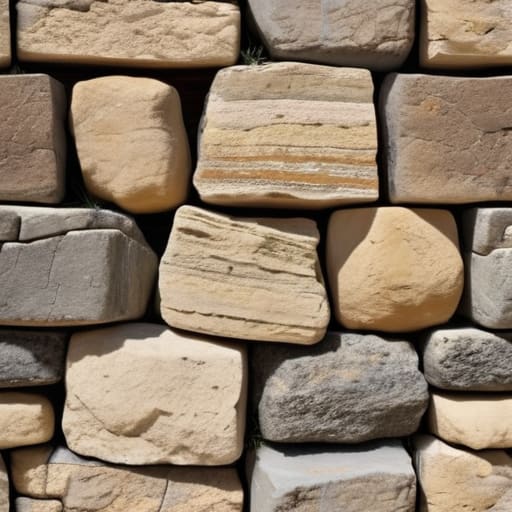
I spent three weeks last summer in a small village outside of Syracuse, documenting a series of dry-stone boundary walls that had survived centuries of seismic shifts. It wasn’t just the endurance that struck me, but the logic of the assembly. These vernacular building techniques don’t rely on the ego of an architect or a complex blueprint; they rely on the immediate reality of the site. When I look at how a local mason used a piece of limestone to wedge a larger block into place, I see the same impulse that later fueled the Italian neorealism movement. It is a refusal to lie. There is no plaster to hide the cracks, no decorative molding to distract from the gravity.
In these old structures, the connection between the earth and the dwelling is seamless. You see a direct lineage between this primal way of stacking stone and the later push for material honesty in design during the mid-century. The neorealists weren’t just looking for a new style; they were looking back at these very same principles—using what is at hand, respecting the weight of the material, and building for the person who actually has to live within the walls. When we strip away the pretension, we find that the most “modern” solutions are often just echoes of how our ancestors solved the problem of shelter.
How Ancestral Joints Define Modern Integrity
I spent three hours yesterday in a small courtyard near Syracuse, tracing the line where two blocks of limestone met. It wasn’t a perfect, machine-cut seam; it was a joint shaped by a chisel and a man who understood how weight travels through stone. In Neorealism, we often talk about “honesty,” but that honesty is physically located in these intersections. When an architect chooses to expose the way a beam sits in a wall, rather than hiding the connection behind a layer of plaster, they are honoring the logic of assembly.
Modern integrity isn’t about using expensive materials; it’s about the refusal to lie about how a structure holds itself up. If we look at the way ancestral masonry manages tension and compression, we see a blueprint for a more truthful modernism. A building shouldn’t be a seamless, mysterious monolith; it should be a legible sequence of parts, where every joint serves as a testament to structural truth.
Learning the Language of Local Mortar and Hand
When I am out in the field, I often find myself kneeling in the dirt, not to admire a view, but to examine the way a lime mortar has weathered over seventy years. In the Neorealist tradition, the mix wasn’t just a structural necessity; it was a declaration of presence. You can see it in the slight variations of color—the way a local river sand gives a wall a warm, ochre undertone that no factory-made cement could ever replicate. There is a specific rhythm to a hand-applied joint, a subtle irregularity that tells you exactly how much pressure the mason applied to his trowel. It is in these microscopic inconsistencies that the architect’s intent meets the reality of the worker’s hand.
If you look closely at a reconstructed wall from the postwar era, you aren’t just seeing a binding agent; you are seeing a choice to remain tethered to the earth. The Neorealists understood that a building shouldn’t try to float away from its site through sterile, perfect surfaces. Instead, they embraced the grit. When I photograph a weathered seam, I’m looking for that honest marriage of chemistry and craft, where the mortar doesn’t just hold the stones together, but actually explains why they were placed there in the first place.
Beyond the Facade: Why Neorealism Still Matters
When we look back at the movement, it isn’t just a chapter in a textbook about postwar reconstruction or a rejection of sterile abstraction. It is a profound lesson in structural humility. We have traced how the movement demanded a return to the grain of the wood, the grit of the aggregate, and the honest logic of local vernacular techniques. By stripping away the decorative lies of the previous era, Neorealism forced us to confront the reality of how a building actually stands up. It taught us that the true soul of a structure isn’t found in a grand, sweeping silhouette, but in the integrity of the joint and the way a wall meets the earth.
As I walk through the streets of Ravenna or the old quarters of Palermo, I still find myself searching for that same spirit—the refusal to hide behind a veneer. We live in an age of seamless, digital perfection, where everything is smoothed over by screens and synthetic cladding. But I urge you to look closer. Seek out the places where the material is allowed to be imperfectly itself. When you find a building that doesn’t apologize for its texture or its weight, you aren’t just looking at architecture; you are witnessing a dialogue between man and matter that refuses to be silenced.