I remember standing in a narrow alleyway in Naples last autumn, my fingers tracing a seam where a jagged piece of 1950s concrete had been shoved against a centuries-old limestone block. The texture was wrong—too smooth, too cold, and utterly indifferent to the stone it was touching. People talk about postwar reconstruction as if it were a grand, unified architectural movement, a sweeping era of progress and rebirth. But when you get down on your knees and look at the actual joints, you see it for what it often was: a series of frantic compromises made by people who were simply exhausted by the rubble.
I’m not here to give you a polished lecture on urban planning or the lofty theories of the era. Instead, I want to show you how to read the physical evidence left behind in the masonry. We are going to look past the facades and examine the material honesty—or lack thereof—in the way these cities were stitched back together. I will guide you through the tells of rushed mortar, the mismatched brickwork, and the structural scars that reveal the true, messy human reality of postwar reconstruction.
Table of Contents
Traces of Ruin in Urban Planning After Conflict
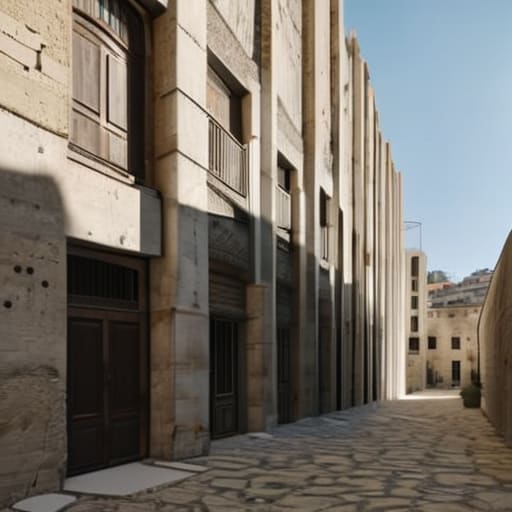
When I walk through the districts rebuilt in the wake of the 1940s, I don’t see grand masterplans; I see the frantic geometry of necessity. In many Italian cities, the urban planning after conflict wasn’t driven by the elegance of the Renaissance, but by the sheer, terrifying pressure of displacement. You can see it in the way a modern, unadorned concrete block suddenly interrupts a centuries-old street rhythm. There is no transition, no respectful dialogue between the old travertine and the new, rough-cast plaster. It is a landscape of sudden breaks, where the priority was clearly rapid housing deployment over any sense of aesthetic continuity.
The scars aren’t just in the masonry, though; they are in the very logic of the streets. In the rush to restore basic services, many of the infrastructure restoration efforts were utilitarian to a fault. I often find myself tracing the seams where a new drainage line was forced through a medieval foundation—a clumsy, desperate marriage of systems. These sites reveal the tension between the need for immediate social stability through rebuilding and the long-term desire for architectural dignity. You realize that these cities weren’t just being repaired; they were being stitched back together with whatever thread was available at the time.
The Desperate Geometry of Infrastructure Restoration Efforts
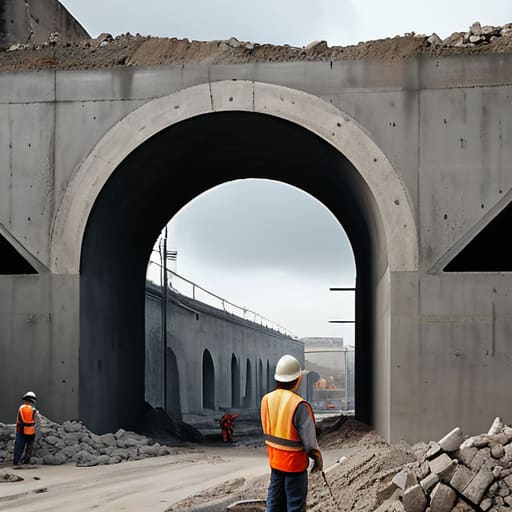
When you look at the way a bridge is patched or a road is rerouted in a city that has just survived a siege, you aren’t just seeing engineering; you are seeing a frantic attempt at social stability through rebuilding. I spent a week in a small municipality near the border last spring, tracing the lines of a new aqueduct that had been laid directly over the rubble of a collapsed Roman-style arcade. The way the new concrete sits against the old, jagged masonry is heartbreaking. It wasn’t an elegant transition. It was a collision of necessity. These infrastructure restoration efforts were never about aesthetic continuity; they were about the sheer, terrifying speed required to keep a population from starving or thirsting.
The geometry of these repairs is often jagged and hurried. You see it in the way the new electrical grids cut through old courtyards, ignoring the original logic of the streets. These post-conflict development models prioritized function over the soul of the site, often resulting in a patchwork of materials that tell a story of scarcity. When I run my hands over the rough, unrefined surfaces of a rapid-deployment housing block, I don’t see failure. I see the physical evidence of a society trying to stitch itself back together with whatever tools and materials were left in the dust.
The Ghost in the Masonry
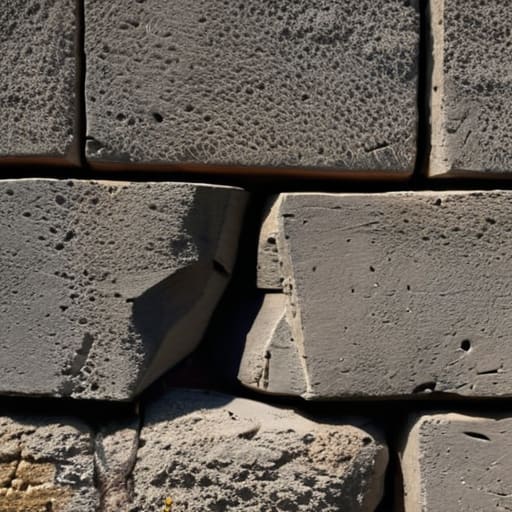
When we look at these reconstructed streets, we shouldn’t just see the finished facades or the clean lines of modern urban planning. We must look closer, at the points where the new concrete meets the jagged, scorched edges of the original stone. It is in those uneven, hurried seams—the places where the mortar doesn’t quite match the ancient lime or where a brick was laid with a slight, desperate tilt—that the true history of the reconstruction lives. We have seen how the necessity of speed often clashed with the dignity of the original structure, leaving us with a landscape that is a complex, layered dialogue between survival and preservation.
Ultimately, a city rebuilt after conflict is never truly “finished”; it is a living, breathing document of human resilience. Every time I run my fingers over a patch of repair work that feels slightly too smooth or a joint that looks a little too rushed, I am reminded that architecture is not just about aesthetics. It is about the hands that worked under pressure, the decisions made in the shadow of loss, and the stubborn refusal to let a city vanish. If you learn to read the scars in the mortar, you realize that the most beautiful part of a building isn’t its perfection, but the truth of how it endured.