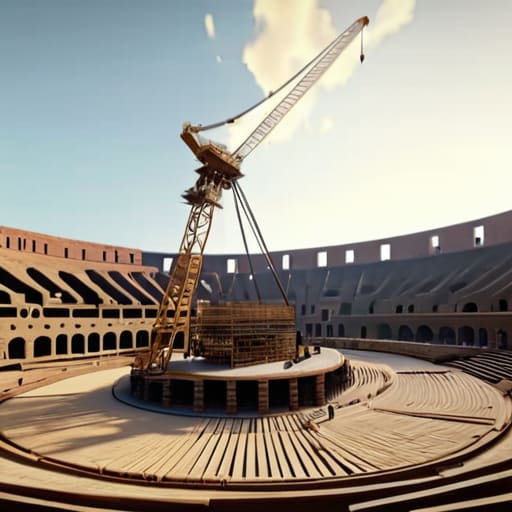
I was standing in the shadow of the Flavian Amphitheatre last Tuesday, watching a tour group cluster around the travertine arches. They were listening to a guide drone on about the sheer scale of the empire and the glory of the emperors, but I couldn’t stop looking at the scars left behind on the stone. People always talk about the Colosseum as this singular, divine miracle of Roman engineering, but when you actually get close to the masonry, you realize the Colosseum construction was a gritty, logistical nightmare of sweat, error, and incredibly clever shortcuts. It wasn’t just a monument to power; it was a massive, breathing puzzle of travertine, tuff, and opus caementicium that required thousands of people to make split-second decisions about load-bearing weights and mortar consistency.
I’m not here to give you a sanitized history lesson or a list of dates to memorize for an exam. Instead, I want to take you into the logic of the joints. We are going to look past the spectacle to understand how they actually managed the weight of those massive arches and why certain stones were chosen over others. I promise to show you the real story found in the material reality of the site—the decisions of the builders that actually kept the whole thing standing for two millennia.
Table of Contents
The Burden of Travertine Limestone
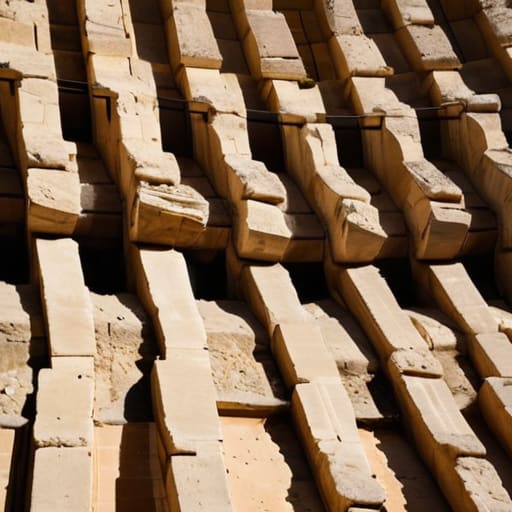
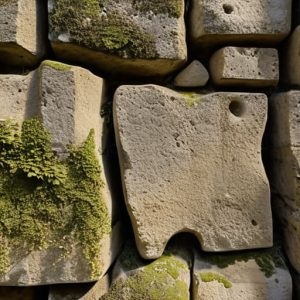
When I stand near the outer ring, I don’t see a monument; I see a massive logistical struggle. The sheer use of travertine limestone here wasn’t just an aesthetic choice, though the creamy white finish certainly served the Flavian propaganda machine. It was a structural necessity. These massive blocks, quarried from the Tibur area, had to be hauled along a dedicated road specifically designed to handle the weight. If you look closely at the joints between the larger blocks, you can see how they were dry-fitted with such precision that they barely required mortar, relying instead on the sheer gravity of the stone and the iron clamps that once held them in place.
But the weight is deceptive. While the travertine provides the skeletal strength, it is the interplay with Roman concrete technology that actually allows the structure to breathe under its own immense pressure. You can see the transition in the way the heavy travertine piers support the lighter tuff and brick-faced concrete layers above. It is a calculated hierarchy of materials. The builders weren’t just stacking stones; they were managing a complex distribution of loads, ensuring that the massive weight of the seating tiers wouldn’t crush the delicate internal corridors below. Every block of travertine is a decision made to resist the inevitable pull of gravity.
Foundations Laid in Imperial Dust
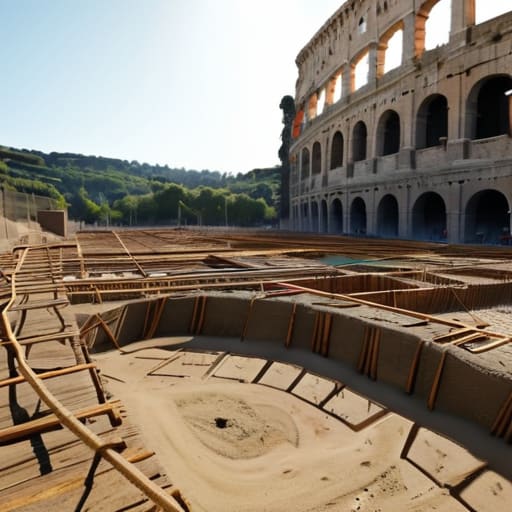
To understand the scale of what they achieved, you have to stop looking at the arches and start looking at the ground. The Flavian Amphitheatre wasn’t just placed upon the earth; it was anchored into it with a calculated aggression. Before a single block of travertine was hoisted, the engineers had to contend with the site’s history—specifically, the marshy basin left behind by Nero’s artificial lake. They didn’t just build over the mud; they mastered it through sophisticated Roman concrete technology, pouring a massive, doughnut-shaped ring of concrete that acts as a stabilizing foundation.
When I run my hands along the lower reaches of the substructures, I’m struck by the sheer density of that early mix. It is a heavy, deliberate material, designed to distribute the colossal weight of the seating tiers across the uneven soil. This wasn’t merely about stability; it was about managing immense lateral pressures. By creating this artificial, rigid platform, they transformed a problematic, waterlogged site into a permanent stage for imperial spectacle. You can see the logic in the way the concrete flows into the radial walls—it is a silent, subterranean testament to the foresight of their ancient Roman architectural techniques.
The Ghost in the Masonry
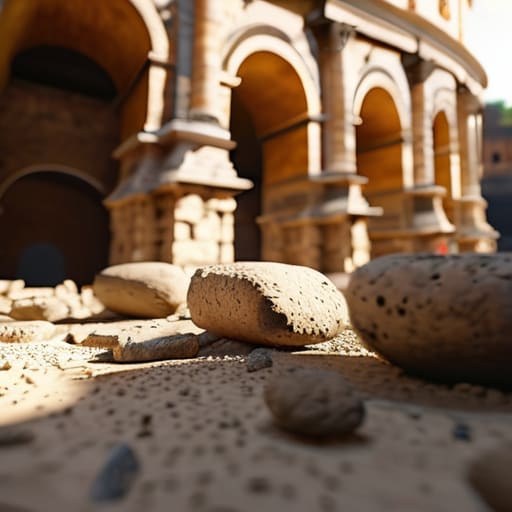
When you step back from the scale of the Flavian Amphitheatre, it is easy to get lost in the sheer audacity of its geometry. But the true story of its construction isn’t found in the grand silhouette; it is found in the calculated logistics of the travertine blocks and the heavy, volcanic strength of the tuff. We have seen how the massive foundation ring was engineered to withstand the shifting Roman soil, and how the precise distribution of weight allowed for such an unprecedented verticality. From the tension of the iron clamps to the specific grit of the mortar, every single element was a deliberate response to gravity and the immense pressure of an empire in its prime.
As I stand before these ruins, my eyes always drift away from the arches and toward the small, weathered scars on the stone. I see the marks of the chisel and the slight irregularities where one mason’s work met another’s. These aren’t flaws; they are the signatures of a workforce that understood the language of stone better than we often do today. We shouldn’t just admire the Colosseum for its survival, but for the intelligence embedded in its joints. To look at a building is one thing, but to truly read the decisions of the builders is to finally understand the soul of the structure.