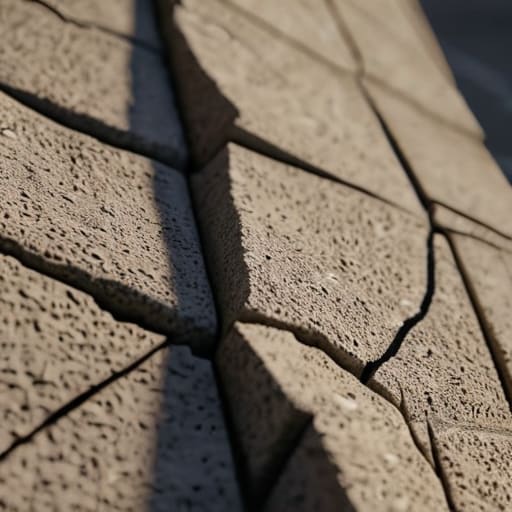
I remember standing in a damp basement in Ravenna three years ago, my flashlight beam cutting through the dark to find a jagged fissure snaking across a limestone foundation. The client was already panicking, clutching a quote from a contractor who wanted to inject expensive, modern resins into every gap as if he were filling a wound with plastic. It’s a common, costly mistake to treat every fissure like a catastrophe that needs to be hidden. But if you stop and actually look, you realize that understanding structural cracks and reading them isn’t about finding something to fix; it’s about listening to the movement of the earth and the settling of the stone.
I am not here to sell you a miracle sealant or a sense of panic. Instead, I want to show you how to look at a fracture and see the history of the load-bearing walls, the shifting soil, and the intent of the original mason. We are going to strip away the jargon and look at the geometry of the break, because once you learn the difference between a superficial settlement and a genuine threat, you stop fearing the building and start truly understanding it.
Table of Contents
Decoding the Stories Written in Fractured Stone
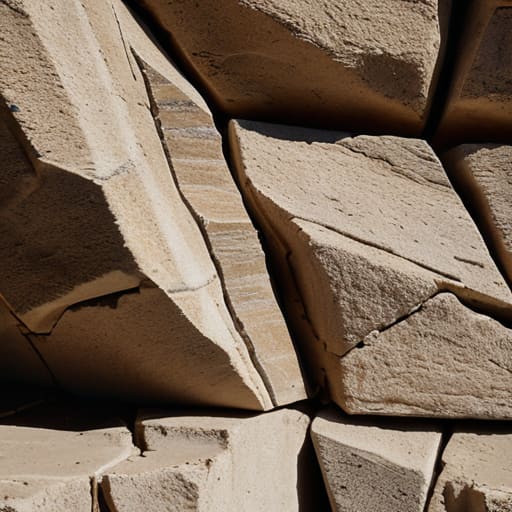
When I kneel on a dusty site, I don’t look for the largest gap first; I look for the direction of the pull. A jagged, diagonal line slicing through a limestone block tells a much more intimate story than a clean, vertical split. If you see a staircase pattern following the mortar joints, you aren’t just looking at damage; you are witnessing the building’s struggle with its own weight. These wall crack patterns explained by the geometry of the masonry often reveal whether the issue is a localized failure or a deeper, more systemic shift in the ground beneath.
I often find that the most telling evidence lies at the base of the structure. I’ve spent many afternoons tracing the subtle, sloping fissures that suggest foundation settlement signs are at play, where the earth has decided to move in a way the architects of the 17th century never intended. It is a process of elimination. You have to distinguish between a superficial shrinkage crack in a modern render and the heavy, rhythmic tearing of a load-bearing pier. To me, identifying load-bearing cracks is less like engineering and more like reading the handwriting of a person who is slowly losing their grip on the world.
The Silent Confessions of Concrete Fissure Analysis
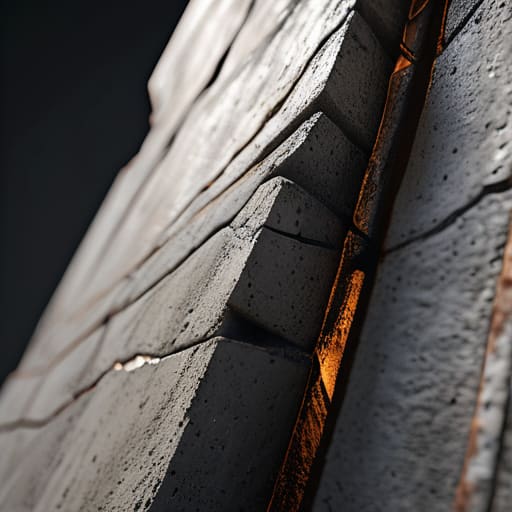
When I approach a reinforced concrete slab, I don’t see a monolithic mass; I see a tension between the stone-like matrix and the steel skeleton hidden within. A hairline fracture snaking across a ceiling isn’t always a cause for panic, but it is always a piece of data. In my work, concrete fissure analysis is less about measuring width with a feeler gauge and more about tracing the geometry of the stress. Is the crack following the line of a rebar, or is it slicing diagonally through the aggregate? If it’s the latter, the concrete is telling you it has lost its grip on the very forces it was designed to resist.
You have to look for the rhythm of the movement. I often find that what looks like a random web of lines is actually a coherent map of building movement indicators. A vertical split near a column tells a very different story than a stair-step fissure in a concrete masonry unit. One suggests a localized struggle with compression, while the other hints at something much deeper—perhaps a slow, agonizing shift in the soil below. You cannot understand the crack without understanding the weight it is trying to carry.
The Weight of the Story
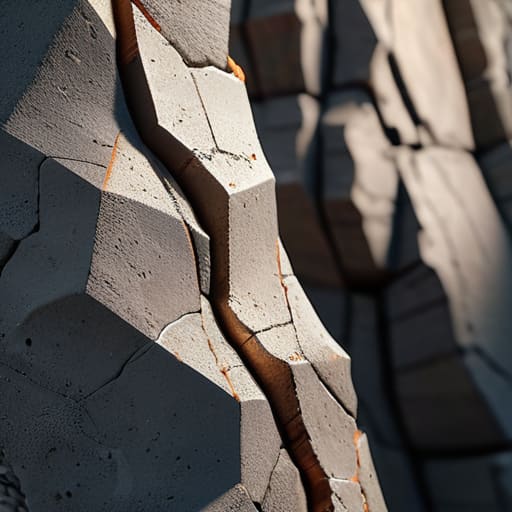
We cannot treat a fissure as a mere aesthetic nuisance or a line on a spreadsheet. As we have seen, whether it is the jagged, sudden path of a shear crack in a load-bearing wall or the slow, rhythmic weeping of a hairline fracture in aged concrete, these marks are the physical manifestations of stress. To ignore the direction of the displacement or the specific grit of the mortar being pulled apart is to ignore the fundamental physics at play. We must look past the superficial damage and understand that every crack is a data point, a testament to the tension between the original architect’s intent and the relentless, shifting reality of the earth beneath us.
Ultimately, my work—and perhaps yours, if you choose to look closely enough—is not about fixing what is broken, but about listening to what the breakage reveals. When I stand before a crumbling facade, I don’t see a failure; I see a dialogue between gravity and geometry that has been ongoing for centuries. Do not fear the cracks. Instead, learn to read them with the reverence they deserve. Once you stop seeing them as flaws and start seeing them as the building’s own handwriting, you will realize that the most profound truths of architecture are rarely found in the pristine, unbroken surfaces, but in the scars of survival.