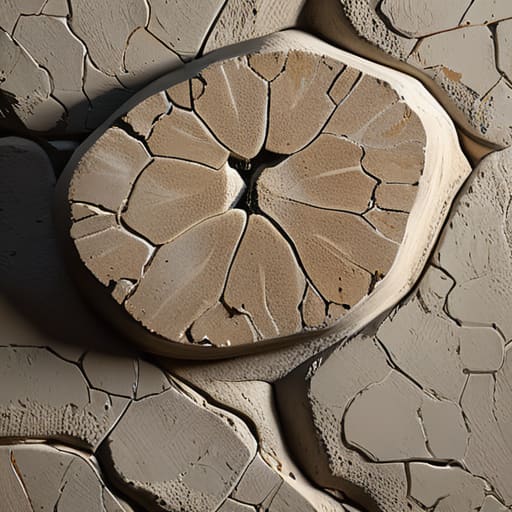
I was in a crumbling palazzo near Ravenna last autumn, kneeling on a cold floor, when the smell hit me—that thick, heavy scent of earth and decay that tells you a building is suffocating. I wasn’t looking at the peeling fresco on the ceiling; I was staring at the base of a limestone pillar where the salt efflorescence looked like a white, crusty scab. Most contractors would have immediately tried to sell the owner a high-tech chemical injection system or a fancy waterproof membrane, but that’s where they get it wrong. They treat damp and rising moisture like a modern plumbing failure, when in reality, it is almost always a fundamental misunderstanding of how the stone was meant to breathe.
I am not here to sell you a miracle spray or a way to mask the symptoms with expensive paint. Instead, I want to show you how to read the walls themselves. We are going to look past the surface stains to understand the logic of the masonry, from the quality of the original lime mortar to the way the foundation interacts with the soil. I promise to give you the honest, technical truth about why these walls are weeping and how we can respect the building’s history while finally solving the problem.
Table of Contents
The Tell Tale Stains of Forgotten Masonry
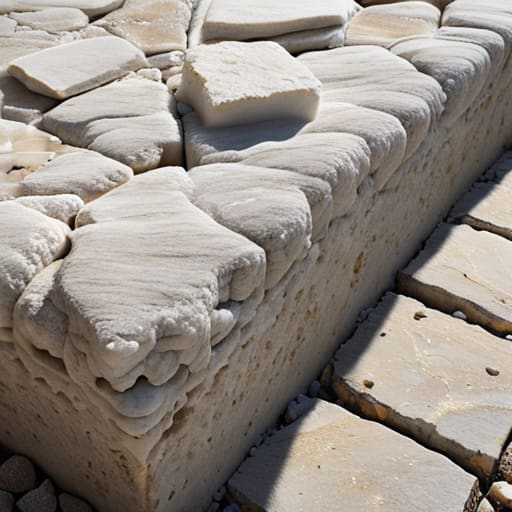
I was surveying an old townhouse in Ravenna last Tuesday when I saw it: that tell-tale, powdery bloom of white efflorescence creeping up from the base of a travertine plinth. It wasn’t just a cosmetic nuisance; it was a map of failure. When you see those crusty, white patches, you aren’t just looking at dirt; you are witnessing salt contamination from damp as it migrates through the stone. The water carries dissolved minerals from the soil, and as it evaporates at the surface, it leaves behind these crystalline ghosts of the ground’s chemistry.
If you look closer, the texture of the plaster often tells the story before the eyes even register the color. I often find that the surface feels slightly spongy or friable to the touch, a sign that the moisture is actively deconstructing the bond between the lime and the aggregate. These aren’t just random stains; they are the signs of rising damp in walls that have lost their ability to breathe. It’s a slow, silent dialogue between the earth and the masonry, and if you don’t learn to read the stains, you’ll spend a lifetime fighting symptoms while the foundation continues to weep.
When Humidity on Interior Walls Becomes a Story
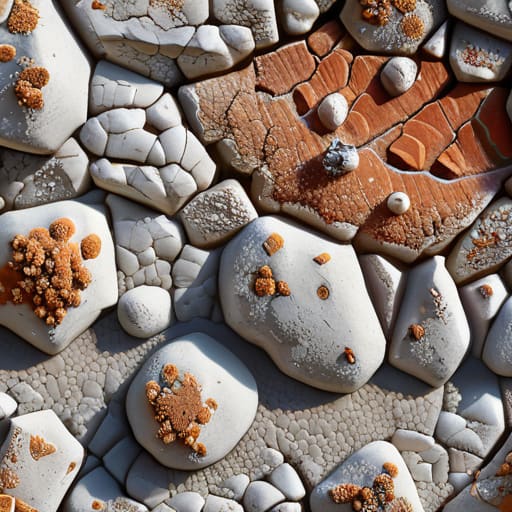
I spent yesterday afternoon in a small apartment in the Oltrarno, tracing the way the plaster was beginning to bloom with something far more sinister than mere condensation. It wasn’t just the surface moisture; it was the way the paint was flaking off in brittle, chalky scales. This is the classic signature of salt contamination from damp, where the water traveling through the masonry carries dissolved minerals that crystallize as they reach the air. To the untrained eye, it’s just an ugly patch of discoloration, but to me, it’s a chemical map of the building’s struggle against the ground.
You can almost see the tension in the walls. When you observe the impact of humidity on interior walls, you aren’t just seeing a maintenance issue; you are seeing the failure of a barrier. Often, what looks like a simple leak is actually the result of a missing or decayed damp proof course, a layer of protection that was either never installed or has since surrendered to the relentless pressure of the water table. I find myself wanting to peel back those layers of wallpaper just to see the exact line where the moisture begins its ascent, searching for the moment the masonry lost its battle with the earth.
The Anatomy of a Cure
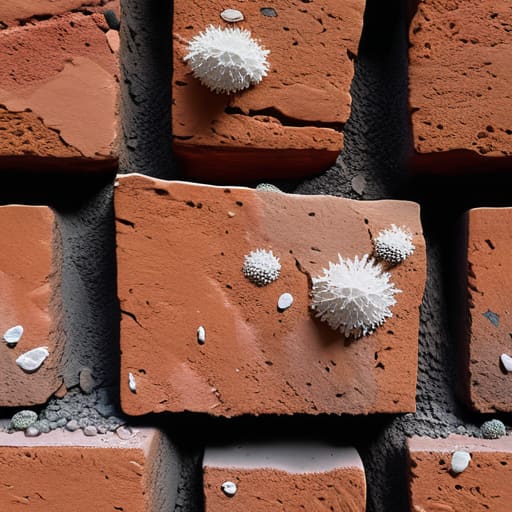
We have seen that moisture is rarely a sudden intruder; it is a slow, systemic failure that begins at the very base of the structure. Whether it is the salt efflorescence blooming like a white fungus on a brick face or the tell-tale darkening of a lime plaster, these signs are the building’s way of screaming for attention. To fix it, we cannot simply slap on a layer of modern, waterproof paint—that is a lie that only traps the rot deeper inside. We must understand the original logic of the masonry, addressing the capillary action at the source and respecting the breathability that the original builders intended. Only by identifying the specific path the water takes can we hope to stop the decay.
In the end, conservation is not about making a building look new again, but about helping it function as it was meant to. When I stand before a wall that is weeping, I don’t just see a repair job; I see a dialogue between the earth and the stone that has gone wrong. Our task is to listen to what those stones are saying and to intervene with a hand that is both technical and respectful. If we treat these damp patches as lessons rather than just inconveniences, we don’t just save the walls—we honor the hands that laid them.