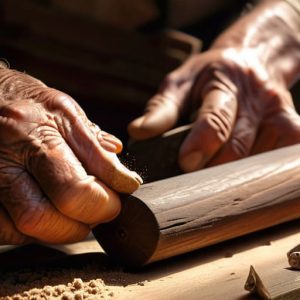
I was standing on a scaffolding in a narrow alleyway in Palermo last Tuesday, watching a junior conservator reach for a chemical cleaner to scrub away what he called “dirt” from a travertine lintel. I had to stop him before he did something irreversible. He saw grime; I saw the slow, deliberate conversation between the stone and the Mediterranean salt air. People often mistake the natural evolution of a building for neglect, failing to realize that weathering and patina aren’t things to be “fixed” or scrubbed away with expensive, aggressive solvents. When you strip a facade back to its original, sterile state, you aren’t restoring it—you are effectively erasing its memory.
In this series, I’m not going to give you glossy brochures or academic theories that belong in a dusty lecture hall. Instead, I want to show you how to read the surface of a building like a map. I will share what I’ve learned from twenty years of surveying stone and mortar, teaching you to distinguish between harmful decay and the honest, beautiful skin that time provides. We are going to look at the cracks, the mineral blooms, and the soft edges to understand why some surfaces age with grace while others simply fall apart.
Table of Contents
Reading the Slow Narrative of Natural Aging of Materials
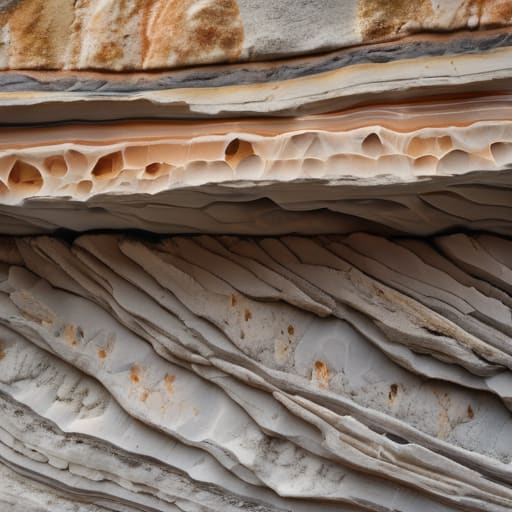
I often find myself tracing the edges of a stone lintel, not to check for structural cracks, but to see how the wind has been working on it. There is a specific rhythm to the natural aging of materials that you can’t find in a blueprint. In the coastal towns near Ravenna, the salt air doesn’t just sit on the surface; it bites. It eats into the porous calcarenite, turning a once-uniform block into a landscape of tiny, shadowed pits. When I look at these surfaces, I don’t see damage; I see a record of every storm that has hit that facade since the Renaissance.
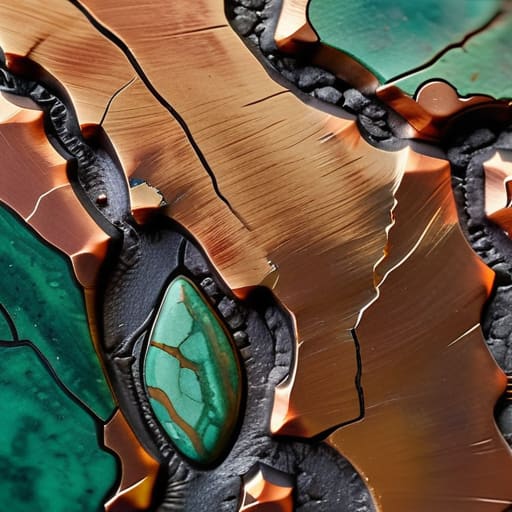
It’s the same when I encounter a copper flashing on a Romanesque roof. You can watch the patina development on copper move from a bright, almost aggressive orange to that soft, protective malachite green. It isn’t just a color change; it’s a chemical conversation between the metal and the atmosphere. I’ve spent hours photographing the way an oxidation process on metals creates these variegated maps of teal and charcoal. To the untrained eye, it’s just an old roof, but to me, it’s a slow-motion performance of chemistry and time, proving that a building is never truly finished—it is constantly being rewritten by the elements.
Why a Buildings Surface Tells Its True History
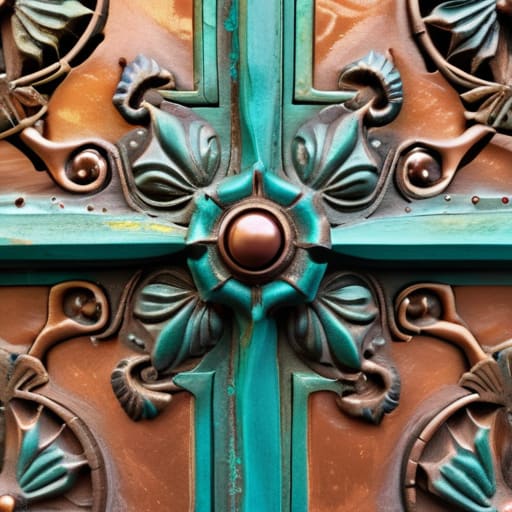
When I’m standing on a scaffold in a narrow Sicilian alley, I’m rarely looking at the grand facade as a whole. Instead, I’m looking at the edges. A building’s surface isn’t just a skin; it’s a recording device. If you look closely at a bronze door or a copper flashing, the patina development on copper isn’t just a change in color—it is a chemical map of the local air, the salt from the sea, and the specific acidity of the rain that has fallen on that street for a century. These shifts tell you exactly which side of the building faces the wind and which corner remains sheltered and damp.
You can learn more about a mason’s intent by observing the natural aging of materials than by reading any blueprint. I often find that the way a stone begins to erode reveals the hidden flaws in its original quarrying. A soft vein of calcite might wash away faster than the surrounding grain, leaving a ghost-like imprint of the stone’s internal structure. This isn’t merely surface texture degradation; it is the building finally revealing its true composition. To me, a perfectly clean, scrubbed wall feels like a book with all its pages glued shut. You have to let the surface breathe to understand the truth of the structure.
The Living Skin of the City
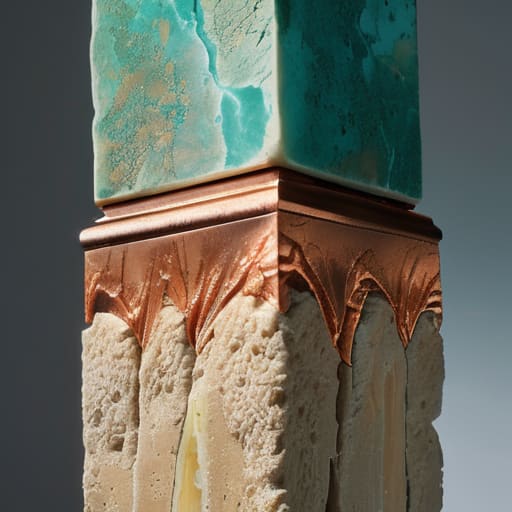
When we stop seeing weathering as mere decay and start seeing it as a dialogue, the entire city changes. We have seen how the chemical dance of rain on limestone or the oxidation of copper isn’t just a loss of material, but a layering of truth. Whether it is the way a Roman travertine block has softened its profile over two millennia or how a local tuff stone absorbs the salt of the Mediterranean, these surfaces are the physical record of every storm and every sun-drenched afternoon. To preserve a building is not to freeze it in a sterile, artificial state of perfection, but to respect the integrity of its aging process and the logic of its materials.
Next time you are walking through a piazza or navigating a narrow alleyway, I urge you to look closer. Don’t just glance at the facade; look at the joints, the edges, and the way the light catches the crust of a centuries-old patina. There is a profound, quiet dignity in a stone that has been weathered by the hands of time. If we learn to read these scars, we realize that a building is never truly finished; it is a living, breathing entity that continues to write its own story, one grain of sand and one drop of rain at a time.