I remember standing on a scaffold in a crumbling Palazzo near Palermo, scraping at a layer of “historical” terracotta that felt more like plastic than earth. The contractor insisted it was a premium reproduction, but the way it flaked—brittle, lifeless, and utterly disconnected from the stone beneath—told a different story. People get so caught up in the brand names and the expensive synthetic emulsions that they forget the most vital truth: the soul of a color lies in its origin. When we talk about paint and pigment sources, we shouldn’t be looking at a catalog of chemical codes; we should be looking at the geology of the landscape and the grit of the minerals that actually hold a wall together.
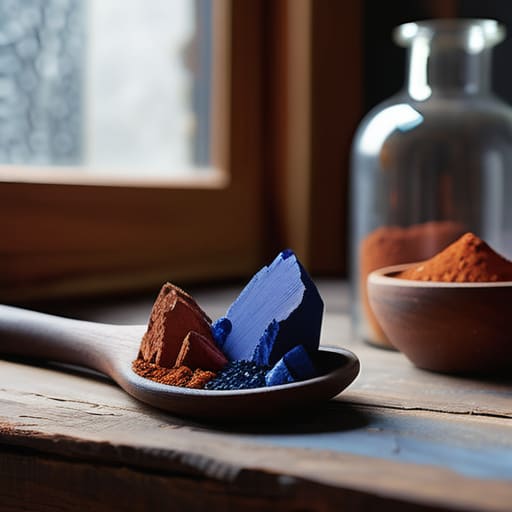
I’m not here to sell you on a lifestyle or a trendy palette of muted greys. Instead, I want to pull back the curtain on how these colors are actually pulled from the earth and stabilized with lime. I will show you how to distinguish between a pigment that breathes with the building and one that merely sits on top of it like a mask. By the end of this, you’ll understand how to identify the real alchemy behind the hues, from crushed ochres to the oxides that have survived centuries of sun and salt.
Table of Contents
The Quiet Language of Natural Mineral Pigments
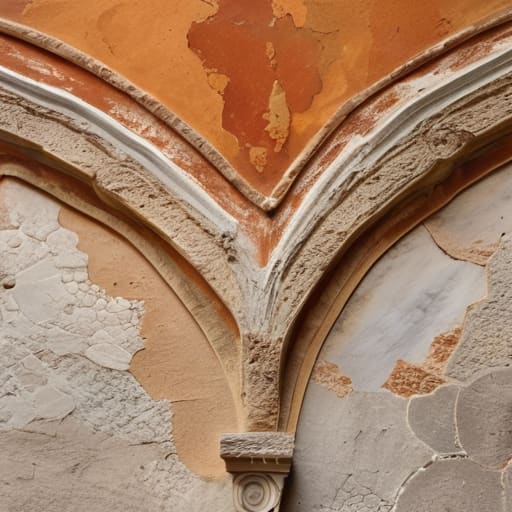
When I am on a site, my eyes usually go to the cracks in the masonry first, but I find myself increasingly drawn to the color of the lime wash itself. There is a profound honesty in natural mineral pigments that modern, pre-mixed buckets simply cannot replicate. When you lean in close to a sixteenth-century fresco in a Sicilian villa, you aren’t just looking at a color; you are looking at a geological map. These pigments weren’t “manufactured” in a laboratory; they were harvested. You can see the subtle variations in the grain where a craftsman might have added a bit more ochre to compensate for a particularly pale batch of local clay.
The process of earth pigment extraction was once a deeply intimate connection between the builder and the landscape. A mason didn’t just order a shade of terracotta; he knew which specific vein of earth in the valley provided that particular warmth. This is why a building in Ravenna feels fundamentally different from one in the hills of Tuscany, even if they share a similar palette. It is the result of the specific mineral impurities—the tiny traces of iron or manganese—that were ground into the binder. To understand these walls, you have to stop seeing color as a surface treatment and start seeing it as a sedimentary layer of history that has been physically pressed into the very skin of the structure.
Where Earth Pigment Extraction Meets Human Intent
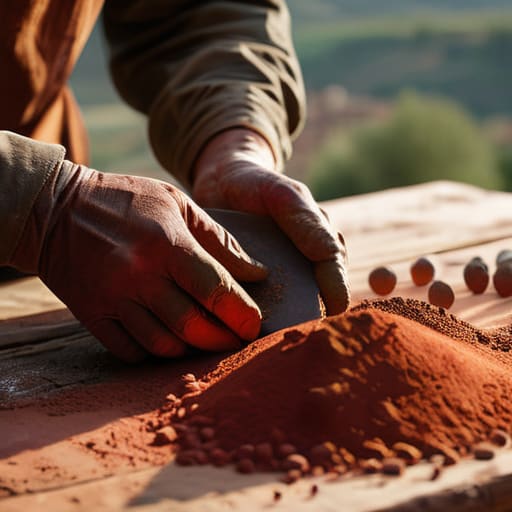
When I am surveying a site in the hills outside Siena, I don’t just see a color; I see a decision made at a specific depth in the soil. The process of earth pigment extraction was never a purely clinical endeavor. It was a conversation between the landscape and the mason. A worker would strike a vein of hematite or ochre, and the quality of that find—the grit, the moisture content, the sheer stubbornness of the vein—dictated whether a facade would glow with a soft warmth or strike a harsh, iron-heavy note. You can see the moment a craftsman decided to stop digging and start grinding, often by the way the pigment settles into the pores of the lime wash.
There is a profound intimacy in how these materials were processed. It wasn’t just about finding color; it was about the labor of refinement. I’ve spent hours tracing the remnants of historical pigment production in the way certain hues appear more layered or “muddy” than others. A master might mix a local clay with a trace of something more precious to achieve a specific translucency, a way of cheating the eye to make a flat wall feel deep. When you look closely at a weathered fresco, you aren’t just seeing a shade; you are seeing the physical residue of a human hand that once sifted through the dirt to find exactly the right grain.
The Residue of Intent
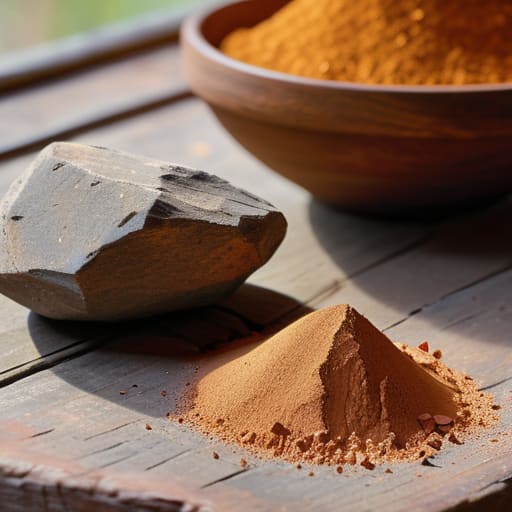
When we strip away the modern convenience of standardized, synthetic coatings, we are left with the raw, honest truth of the material. We have seen how a simple ochre can shift from a bright sun-drenched yellow to a deep, bruised umber depending on the specific hillside it was scavenged from, and how the mineral composition of a lime wash dictates its very life cycle on a damp Sicilian wall. These pigments aren’t just colors; they are geological snapshots frozen in time. By understanding the grit of the earth and the chemical marriage between mineral and binder, we stop seeing a wall as a flat surface and start seeing it as a complex, layered record of local resourcefulness and technical necessity.
Next time you find yourself standing before an old facade, I urge you to look past the faded grandeur and look closer at the texture. Don’t just see the color; try to sense the weight of the crushed stone and the specific mineral signature that the builder chose to marry to their mortar. There is a profound, quiet dignity in realizing that the very skin of a building is made of the same earth we walk upon. If you pay attention to these small, chromatic decisions, you will find that the building is no longer a silent object, but a living testament to the hands that reached into the ground to bring it to life.