I was kneeling on a cold floor in a crumbling palazzo near Ravenna last autumn, my flashlight tracing the uneven edges of a floor that most people would simply call “old.” To a tourist, it’s just a speckled surface, but to me, it was a puzzle of discarded luxury. There is this persistent, polished myth in design magazines that treats the history of this material as something purely decorative or high-end, when in reality, the story of terrazzo and its origins is one of radical pragmatism. It wasn’t born from a desire for luxury, but from the ingenious refusal to let even the smallest fragment of marble go to waste.
I’m not here to give you a sanitized timeline from a textbook or a sales pitch for expensive modern recreations. Instead, I want to show you how to read these floors like a map. We are going to look past the shine to understand the intentionality of the aggregate—the way a craftsman centuries ago decided which shards of stone would live together in a bed of lime. By the end of this, you won’t just see a pattern; you will see the decisions of the hands that mixed the mortar.
Table of Contents
The Necessity of Waste in Venetian Terrazzo History
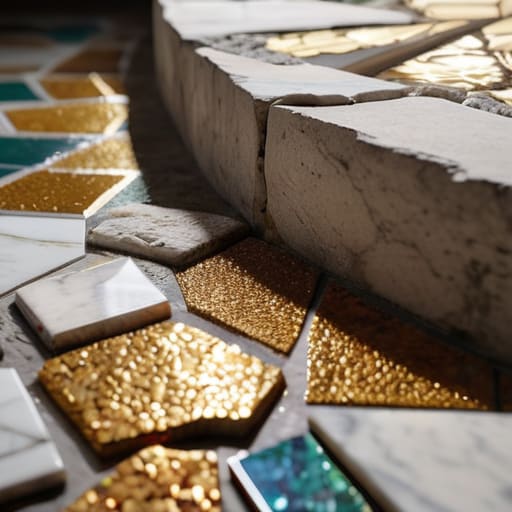
In Venice, nothing was ever truly discarded; it was simply repurposed into something more resilient. To understand venetian terrazzo history, you have to look at the debris left behind by the city’s obsession with luxury. As marble was quarried and carved for the grand facades and altars of the Renaissance, the offcuts—the tiny, jagged shards that were too small for a lintel or a column—became a mountain of potential. Instead of being hauled away as waste, these fragments were gathered. They were the byproduct of creation, waiting to be bound into something new.
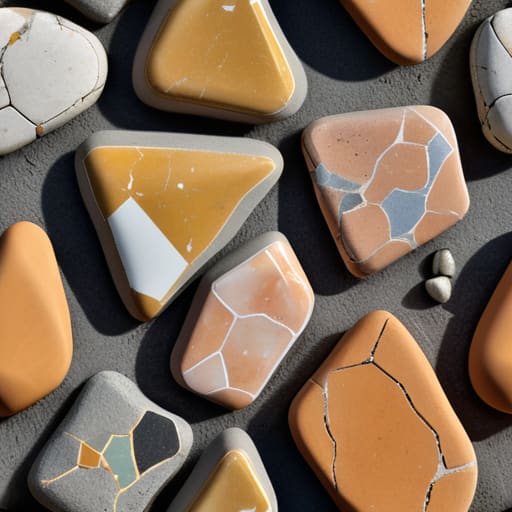
This wasn’t a pursuit of aesthetic perfection in the modern, polished sense, but rather a brilliant solution to material scarcity. By mixing these scraps with lime and sand, craftsmen developed a method of traditional terrazzo craftsmanship that turned industrial leftovers into a permanent, heavy-duty surface. When I stand in a palazzo and look down, I don’t just see a floor; I see a graveyard of forgotten sculptures. Each piece of marble chip flooring is a fragment of a larger, lost work, held in place by a binder that has outlasted the very families who commissioned it. It is a beautiful, accidental alchemy.
Tracing the First Grains of Marble Chip Flooring
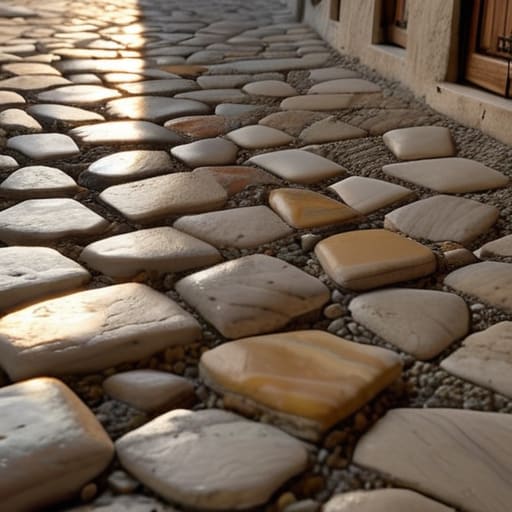
I remember standing in a small, dim courtyard near the Cannaregio, tracing the edge of a worn floor with my thumb. Even through decades of footfall, the pattern remained clear. To understand the very beginning of this medium, you have to stop looking at it as a decorative “finish” and start seeing it as a solution to a problem of scarcity. The earliest iterations of marble chip flooring weren’t born from a desire for luxury, but from a pragmatic need to utilize the offcuts from the massive stone-cutting workshops that fueled the city’s growth.
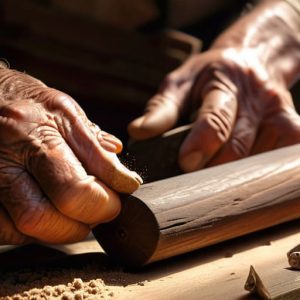
In those early stages, the process was far more visceral than the polished, seamless surfaces we see in modern showrooms. It was a slow, manual alchemy: mixing lime putty with the jagged remnants of stone—limestone, marble, even bits of colored glass—and pressing them into a bed of mortar. This wasn’t just about aesthetics; it was a masterclass in traditional terrazzo craftsmanship. You can still see it in the older palazzos, where the aggregate isn’t perfectly uniform. There is a rhythmic, almost accidental beauty in how those first fragments settled, creating a surface that breathed with the building. Each chip represents a moment where a mason decided that a piece of “waste” was actually a permanent piece of the architecture.
The Living Surface
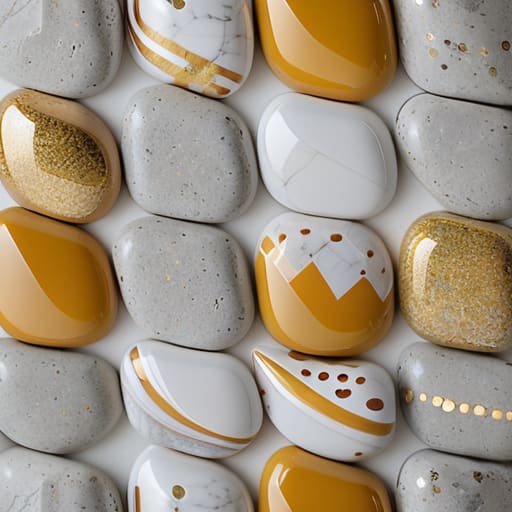
When we look back at the evolution of terrazzo, we aren’t just looking at a method of recycling stone; we are looking at a centuries-old dialogue between economy and aesthetics. From the pragmatic necessity of using marble offcuts in the Venetian workshops to the deliberate, highly engineered compositions we see in modern restoration, the material has always been about resourcefulness meeting intent. It is a medium that refuses to be silent, carrying the weight of the marble fragments it holds and the specific, often invisible, decisions of the masons who pressed them into the lime.
The next time you find yourself walking across a terrazzo floor, I urge you to stop looking at the pattern and start looking at the composition itself. Look at how the chips sit, how the light catches a specific grain of granite, or how the mortar has aged around the edges of a fragment. You aren’t just standing on a floor; you are standing on a physical record of human ingenuity and the refusal to let beautiful things go to waste. A building only reveals its true character to those willing to look beneath the surface.