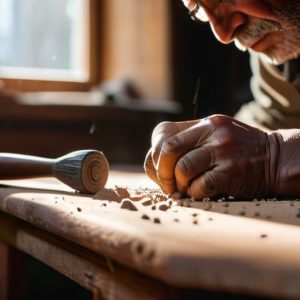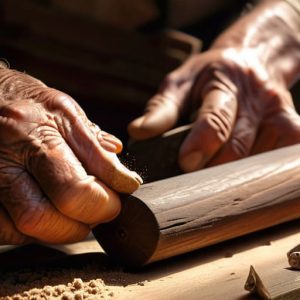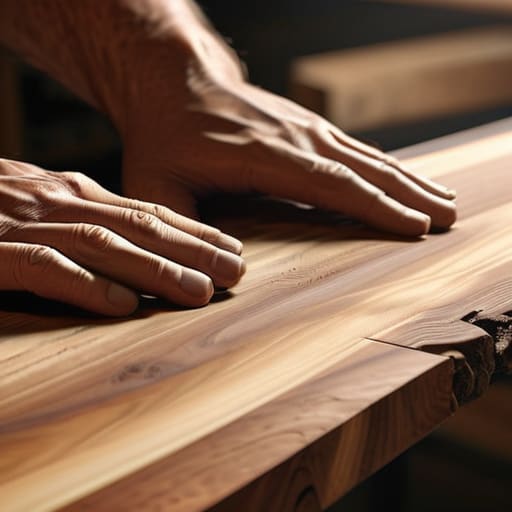
I remember standing in a damp, half-lit cellar in Ravenna last autumn, tracing the grain of a sixteenth-century timber frame with my fingertips. While the official survey report droned on about “structural integrity” and “material degradation,” I was looking at something far more intimate: the slight, uneven hesitation in a dovetail cut. Most people walk through a historic site looking at the frescoes or the marble, completely blind to the fact that the real soul of the building lives in its joinery and traditional joints. We tend to treat these connections as mere technicalities, but to me, they are the fingerprints of the maker, revealing exactly where a carpenter grew tired or where a master decided to push the limits of the wood.
I am not here to give you a sanitized textbook lecture or a list of expensive, modern hardware that claims to “mimic” the past. Instead, I want to show you how to actually read these connections. We are going to strip away the jargon and look at the logic of the wood—how a specific joint manages tension, how it breathes with the seasons, and why a centuries-old mortise is often more resilient than anything you’ll find in a contemporary catalog.
Table of Contents
Reading Intent Through Timber Connection Methods
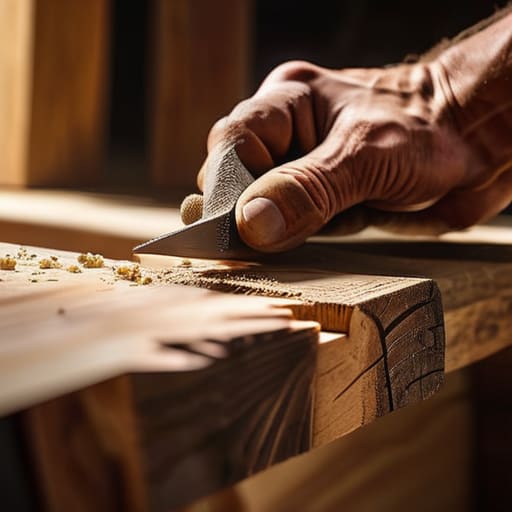
When I am kneeling in the dust of a centuries-old timber frame, I am not just looking at beams; I am looking at a series of solved problems. A well-executed mortise and tenon joint isn’t just a way to hold two pieces of wood together—it is a signature of the carpenter’s confidence. If the fit is tight, almost seamless, you can feel the rhythm of the mallet and the precision of the chisel. But it is often the slight imperfections, the tiny gaps where the grain doesn’t quite align, that tell me the most about the local timber’s moisture content at the moment of assembly.
In the more complex structural junctions, such as where a heavy tie-beam meets a principal rafter, you start to see the true depth of traditional woodworking craftsmanship. You might find a dovetail joint construction used in a way that seems almost decorative, but look closer. Often, these flared connections were chosen specifically to resist the outward thrust of a heavy roof, turning a simple connection into a structural necessity. These timber connection methods are the physical manifestation of an architect’s logic, frozen in oak or chestnut, waiting for someone to notice the intent behind the cut.
The Soul Within Structural Wood Joints
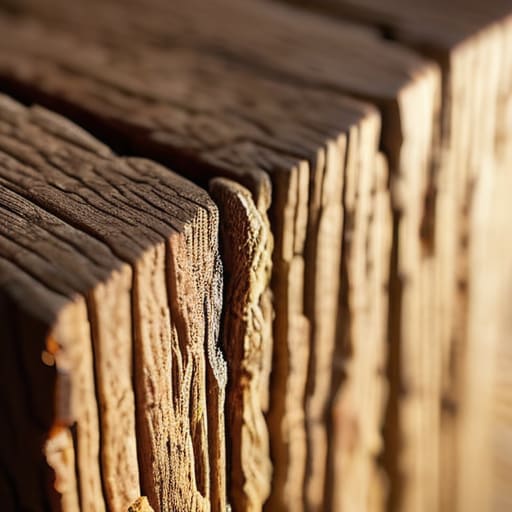
When I am kneeling in a dusty attic in the hills of Tuscany or a timber-framed cellar in Ravenna, I am rarely looking at the beams themselves. Instead, I am looking at the gaps—the microscopic spaces where two pieces of history have decided to hold onto one another. There is a profound difference between a connection made by a machine and the deliberate, almost breathing quality of traditional woodworking craftsmanship. In a machine-cut joint, the wood feels dead, a mere commodity. But when you encounter a hand-cut mortise and tenon joint, you see the slight irregularities that prove a human eye was gauging the grain. You can see where the craftsman respected the tension of the fiber, choosing to work with the wood rather than simply through it.
It is in these structural wood joints that the building’s survival is actually negotiated. I often find myself tracing the lines of a dovetail joint construction in old rafters, noting how the flared tails have tightened over centuries of seasonal swelling. These aren’t just mechanical fasteners; they are decisions. A master carpenter knew that a joint must be able to move, to “inhale” with the humidity of an Italian summer and “exhale” in the winter. To understand these connections is to understand the rhythm of the material itself.
The Unfinished Conversation
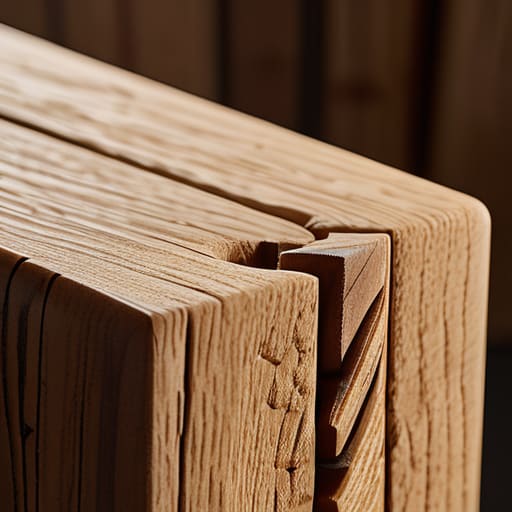
When we look at these connections—whether it is the tight, disciplined fit of a pegged mortise and tenon or the more forgiving geometry of a lap joint—we are not just looking at structural necessity. We are looking at a calculated dialogue between the carpenter and the gravity that seeks to pull the roof down. Every shaving of wood left in a corner and every slight irregularity in a hand-cut groove serves as a testament to the specific mechanical logic of the era. To understand these joints is to understand the very skeleton of the building, moving beyond the superficiality of the facade to grasp the actual physics of survival that has kept these structures standing for centuries.
Next time you find yourself standing in the shadow of an old timber frame, I urge you to stop looking at the beams as singular, heavy objects. Instead, look for the seams. Look for the places where one piece of wood acknowledges the existence of another. There is a profound, quiet dignity in those intersections; they are the silent signatures of craftsmen who understood that a building’s true strength lies not in its mass, but in how its parts choose to hold onto one another. We are merely the temporary custodians of these connections, tasked with reading the stories they continue to tell.