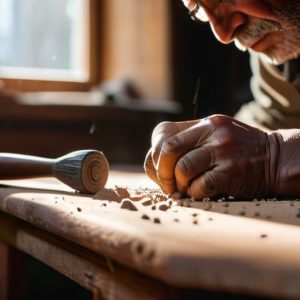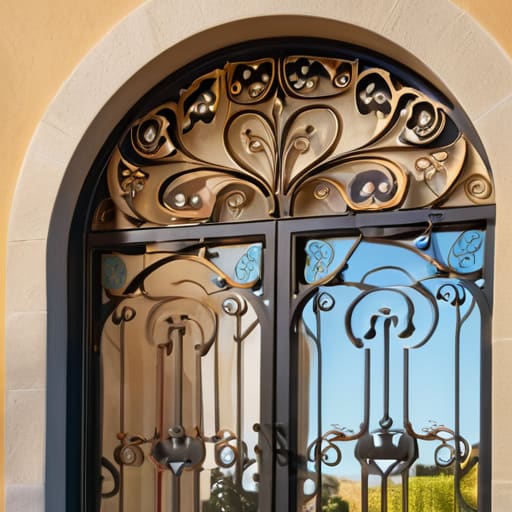
I remember standing on a scaffolding in a narrow alley in Palermo last autumn, squinting through the dust at a set of sixteenth-century window guards. Most people see them as mere decoration or a barrier, but as I brushed away decades of oxidation, I saw the true dialogue between the metal and the limestone. There is a specific, rhythmic sound when a hammer meets hot iron, a heavy percussion that modern, mass-produced security measures simply cannot replicate. When we talk about ironwork and grilles, the industry often tries to sell you on “ornamental aesthetics” or “standardized security,” but they miss the point entirely. They forget that a grille isn’t just sitting against a wall; it is an extension of the masonry itself, a marriage of tension and weight that requires a deep understanding of how metal expands and how stone breathes.
I am not here to sell you on the latest trends or overpriced, flimsy imitations that will rust into nothingness within five seasons. Instead, I want to show you how to read the intent behind the forge and how to distinguish between a piece that respects its host building and one that merely clings to it. We are going to look past the surface shine to examine the joinery, the way the anchors bite into the mortar, and what the metal tells us about the hands that shaped it.
Table of Contents
- The Language of Ironwork and Grilles Reading the Metal
- Decoding the Intent in Custom Wrought Iron Designs
- Where Strength Meets the Grace of Architectural Metalwork Styles
- Forged in Purpose the Soul of Ornamental Ironwork Craftsmanship
- Boundaries and Thresholds the Ritual of Security Gate Installation
- Preserving the Legacy Wrought Iron Maintenance Tips for Ages
- The Final Inspection
The Language of Ironwork and Grilles Reading the Metal
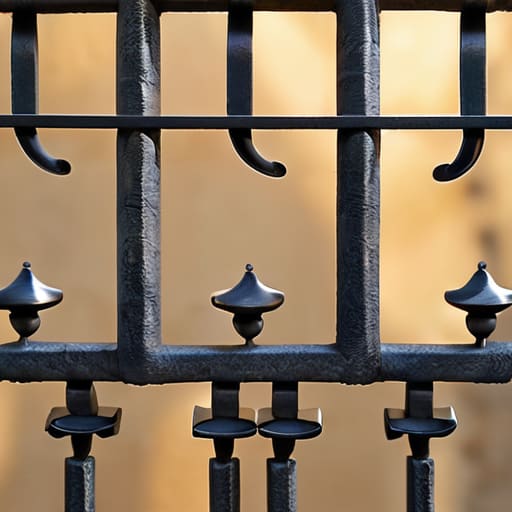
When I approach a facade, I don’t just see a barrier; I see a dialogue between the weight of the stone and the tension of the metal. To understand ornamental ironwork craftsmanship, you have to look past the silhouette and focus on the junctions. I often find myself kneeling by a window to see how the anchors are seated. In older villas, you’ll see the iron isn’t merely bolted on; it is often wedged directly into the masonry with lead pours, a technique that allows the metal to breathe and shift slightly with the building’s thermal cycles without cracking the surrounding stone.
The way a smith handles the heat tells you everything about their intent. In high-quality custom wrought iron designs, you can see the subtle irregularities where the hammer met the glowing bar—a rhythmic signature that a machine simply cannot replicate. I look for the “collars,” those small, hand-forged bands used to join two pieces together. They aren’t just functional; they are the punctuation marks of the design. If the joinery is tight and the taper of the bars is deliberate, you are looking at a piece meant to endure centuries, not just a seasonal installation. It is this deliberate marriage of force and finesse that transforms a simple guard into a structural poem.
Decoding the Intent in Custom Wrought Iron Designs
When I examine a custom piece, I don’t look at the pattern first; I look at the heat. You can see it in the way a scroll terminates or how a leaf is shaped. In high-quality wrought iron, the blacksmith isn’t just following a blueprint; they are negotiating with the metal. There is a certain rhythm of the hammer that reveals whether a piece was rushed or if the maker took the time to draw out the taper of a finial with intention. A hurried worker leaves blunt, heavy ends, but a master allows the iron to breathe, thinning it out until it feels almost organic against the heavy masonry.
I often find myself tracing the joinery where two elements meet. In modern, mass-produced grilles, you see the tell-tale signs of welding—a clinical, flat seam that feels disconnected from the structure. But in true custom work, you see the rivets or the collars, those small, functional marriages that bind the iron together. It is in these deliberate points of connection that the maker’s personality truly resides.
Where Strength Meets the Grace of Architectural Metalwork Styles
When I walk through a courtyard in Palermo, I don’t just see a decorative barrier; I see the tension between the weight of the stone and the lightness of the metal. There is a specific dialogue that happens when a blacksmith’s work meets a mason’s wall. In the more rigid, Neo-Classical styles, the ironwork feels like an extension of the geometry—straight, disciplined lines that reinforce the structural logic of the window frame. But then you encounter the more organic, Art Nouveau flourishes, where the metal seems to defy the very gravity that holds the building upright.
The real magic, however, lies in the transitional pieces. I often find myself photographing the points where a scrolled volute is anchored into a limestone block. You can see if the maker respected the stone or fought it. A well-integrated grille doesn’t just sit against the facade; it breathes with it, balancing the heavy permanence of the masonry with a rhythmic, metallic grace.
Forged in Purpose the Soul of Ornamental Ironwork Craftsmanship
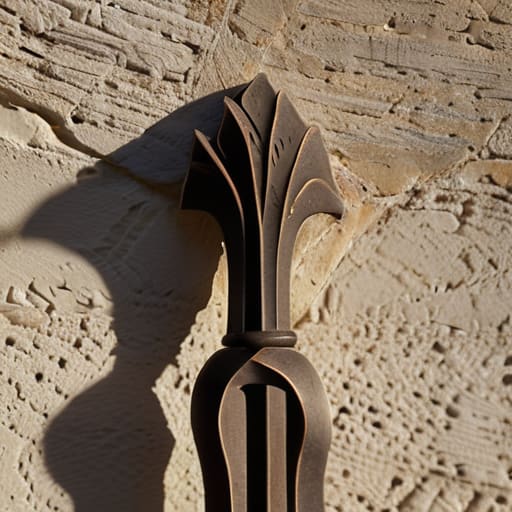
When I stand before an old palazzo in Sicily, I don’t look at the silhouette of the balcony first; I look at the points of contact. I look at where the metal enters the stone. True ornamental ironwork craftsmanship isn’t found in the symmetry of the pattern, but in the way a blacksmith managed the heat to create a join that won’t crack the masonry during a thermal shift. You can see it in the slight irregularities of a hand-hammered leaf or the way a scroll tapers—these aren’t flaws, they are the breath of the maker caught in the cooling metal.
There is a specific, heavy honesty in how these elements are anchored. Whether it is the heavy-duty necessity of decorative metal window guards or a delicate Juliet balcony, the integrity lies in the marriage of materials. I often find myself photographing the way a forged tenon sits within a stone socket; it tells me if the craftsman respected the stone or merely forced his will upon it. To understand the soul of these pieces, you must look past the aesthetic finish and find the deliberate tension held within the forged joints, where the strength of the iron meets the stubborn permanence of the wall.
The Hidden Geometry of Decorative Metal Window Guards
When I find myself standing before a centuries-old palazzo, my eyes rarely settle on the frescoes or the marble cladding first. Instead, I look at the window guards. There is a specific, rigorous logic to how these metal lattices are laid out. It isn’t just decoration; it is a mathematical dialogue with the aperture itself. You can see how the craftsman calculated the tension between the vertical bars and the horizontal rails to ensure the weight of the iron wouldn’t eventually crack the surrounding stone. A well-designed guard follows a rhythmic repetition that mirrors the proportions of the window frame, turning a security necessity into a structural extension of the masonry.
I often find myself photographing the points where the iron meets the mortar. In the best examples, the geometry isn’t just flat; it creates a sense of depth that changes as the sun moves across the facade. The way a scrolled element anchors itself into a corner reveals whether the maker was thinking about the long-term settlement of the building. It is a deliberate structural dance between the rigid metal and the breathing stone.
Tracing the Hammer Marks of a Masters Hand
When I am on a site, I often find myself ignoring the grand arch or the sweeping balcony to focus instead on the surface of a single scroll. If you lean in close—close enough to catch the scent of damp stone and old oxidation—you can see them: the rhythmic, shallow depressions left by a blacksmith’s hammer. These aren’t flaws; they are the cadence of the maker. In a world of extruded, machine-perfected steel, these marks are a tactile record of a specific moment in time. You can trace the exact velocity and angle of the strike, feeling the ghost of the artisan’s physical exertion preserved in the metal.
I find that these irregularities tell me more about the workshop’s temperament than any historical ledger ever could. A heavy, uneven strike suggests a hurried hand or perhaps a forge struggling with temperature, while a series of delicate, consistent dimples speaks to a craftsman who viewed iron as something to be coaxed rather than conquered. To me, the hammer mark is the signature of the human hand in an increasingly anonymous industry.
Boundaries and Thresholds the Ritual of Security Gate Installation
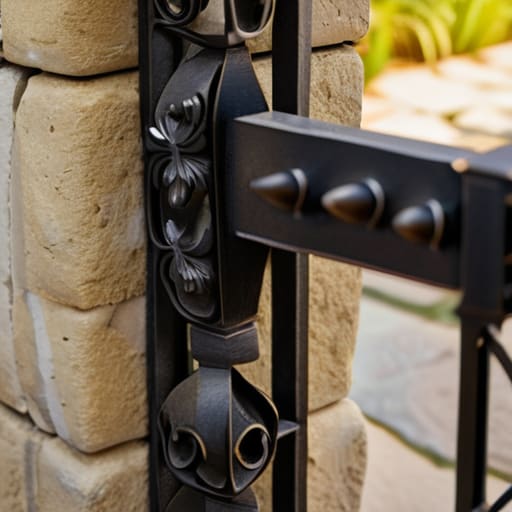
A gate is never just a barrier; it is a formal negotiation between the street and the sanctuary of the home. When I oversee a security gate installation, I find myself less interested in the gate’s swing and more obsessed with the point of contact—the moment the metal pierces the stone. If the installer forces a heavy frame into a pre-existing masonry pier without respecting the settling of the lime mortar, the entire rhythm of the facade is compromised. I have seen beautiful, heavy pieces pull away from their anchors within a single season because the installer prioritized speed over the delicate physics of weight distribution.
True longevity in these thresholds requires a deep understanding of how different architectural metalwork styles interact with their specific environments. A gate designed for a coastal villa in Sicily requires a different approach to its footings than one sitting on the volcanic soil of Etna. You must look at the base plates and the way the iron is chemically prepared to meet the dampness of the ground. It is a ritual of precision: if the marriage between the forged steel and the stone foundation is handled with even a hint of negligence, the most exquisite craftsmanship will eventually succumb to the slow, silent violence of oxidation.
More Than a Barrier the Weight of a Gate
When I stand before a heavy courtyard gate, I don’t just see a way to keep people out; I feel the shift in the building’s entire equilibrium. A gate is a massive, moving component that must negotiate with the static weight of the stone pillars it inhabits. I often find myself tracing the way the hinges are seated into the masonry, looking for that precise moment where the metal meets the lime mortar. If the installation is rushed, you see the stress in the stone—tiny, hairline fractures that tell a story of a weight too great or a pivot poorly aligned. A well-placed gate acts as a structural punctuation mark, providing a sense of arrival that a simple door could never achieve.
It is a matter of kinetic gravity. There is a specific, heavy cadence to a gate that has been hung with intention, a slow, deliberate swing that speaks to the density of the iron itself. When the balance is correct, the gate doesn’t just move; it commands the space around it, turning a mere boundary into a threshold of transition.
Securing the Perimeter Without Sacrificing the Aesthetic
When I approach a property, I often see a tension between the need for protection and the desire to preserve the building’s visual rhythm. A heavy, modern security fence can act like a scar across a facade, cutting off the dialogue between the street and the architecture. The secret lies in the integration—how the ironwork interacts with the existing masonry. I look for the moments where the metal doesn’t just sit against the stone, but feels as though it has grown from it, using recessed mounting techniques that hide the structural hardware and allow the silhouette of the grille to remain uninterrupted.
True security shouldn’t feel like an imposition; it should feel like a natural evolution of the building’s skin. Instead of opting for the aggressive, utilitarian geometry of mass-produced steel, I prefer designs that utilize negative space to maintain sightlines. By choosing a scale that respects the proportions of the windows or the courtyard, you create a barrier that is visually permeable yet physically uncompromising. It is about finding that precise equilibrium where the metal serves the eye as much as it serves the lock.
Preserving the Legacy Wrought Iron Maintenance Tips for Ages
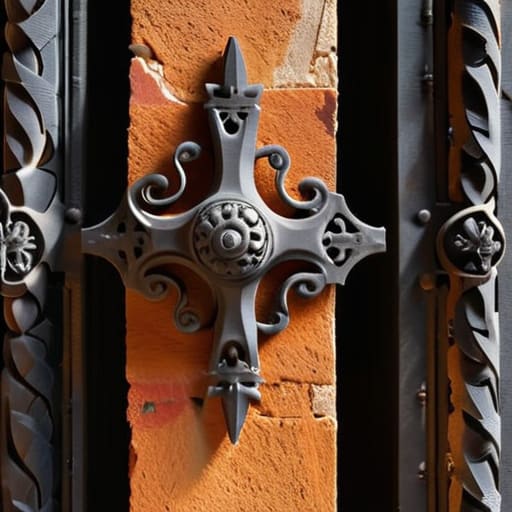
When I walk through the courtyards of an old palazzo in Sicily, I don’t just see the beauty of the scrolls; I see the battle against oxidation. Maintenance isn’t about making something look new; it is about arresting the inevitable decay that comes from salt air and humidity. For those who have invested in custom wrought iron designs, the first rule is to respect the layers. You cannot simply slap a modern, thick coating over a century of history. I always look for the tiny fissures in the paint where moisture has begun to find the metal underneath. If you catch these early, you can treat the spot with a fine abrasive and a high-quality primer before the rust begins to bloom into something structural.
True ornamental ironwork craftsmanship deserves a rhythm of care that matches its creation. For decorative metal window guards, this often means ensuring that the points where the iron meets the stone masonry are perfectly sealed. It is at these junctions of different materials that water loves to hide, sitting in the crevices and slowly eating away at the anchor points. A gentle cleaning with pH-neutral soap and a meticulous inspection of the joints every spring can extend the life of these pieces by decades. It is a slow process, yes, but it is the only way to ensure the metal remains a permanent part of the building’s soul rather than a fading memory.
Fighting the Oxidation That Tries to Erase History
Oxidation is a slow, patient thief. When I walk through the older quarters of Palermo, I see it everywhere—that creeping, orange bloom of rust that begins in the microscopic pits of the metal, gradually blurring the crisp lines left by the blacksmith’s hammer. It isn’t just a cosmetic issue; it is a chemical assault on the integrity of the piece. If you allow the moisture to settle into the joints where the iron meets the stone, the expansion of the oxide can actually crack the very masonry it was meant to adorn. You have to treat rust not as a surface stain, but as an active erosion of the maker’s intent.
To fight this, you must be methodical. I always recommend a thorough cleaning to reach the base metal, followed by a high-quality sealant or wax that breathes with the material rather than suffocating it. We aren’t trying to make the iron look brand new or sterile; we are simply trying to halt the decay so the silhouette remains legible for the next generation.
Tending to the Joints to Keep the Story Alive
When I am surveying a centuries-old palazzo, my eyes rarely settle on the center of a decorative scroll; instead, I find myself tracing the points where the metal penetrates the masonry. The interface between the iron and the stone is where the most quiet, persistent battles are fought. If the mortar around a mounting bolt has turned to powder or if a hairline crack has spiderwebbed through the limestone, the iron is no longer a guest in the wall—it has become an intruder. You must treat these points of connection with more reverence than the ornament itself, for a loose anchor is the first step toward structural failure.
I often carry a small brush just to clear away the grit from these junctions before I can truly see them. Once clean, you can assess whether the original lime-based bedding is still holding or if moisture has begun its slow work of expansion. To keep the story alive, you aren’t just cleaning metal; you are stabilizing the marriage between two different worlds. Tightening a loose sleeve or repointing a weathered socket is how we ensure the gate remains a threshold rather than becoming a casualty of time.
The Final Inspection
As I close my sketchbook and pack away my calipers, I am reminded that ironwork is never just a secondary addition to a facade. It is a dialogue between the heavy permanence of stone and the tempered flexibility of metal. We have traced how a well-forged grille is more than a security measure; it is a testament to deliberate geometry and the skill of the smith. From the way a gate is anchored into a limestone threshold to the meticulous battle against oxidation, every detail we have discussed serves one purpose: ensuring that the metal remains a functional part of the building’s anatomy rather than a failing afterthought. To respect the iron is to respect the integrity of the entire structure.
Ultimately, when you look at a window guard or a courtyard gate, I hope you stop seeing a barrier and start seeing a signature. Look for the hammer marks, the way the joints meet the masonry, and the weight of the material itself. These elements are the connective tissue of our architectural heritage, holding the line between protection and poetry. If we treat these installations with the technical respect they deserve—tending to their joints and honoring their craftsmanship—we aren’t just maintaining hardware; we are preserving the quiet, iron-clad history of the places we call home.