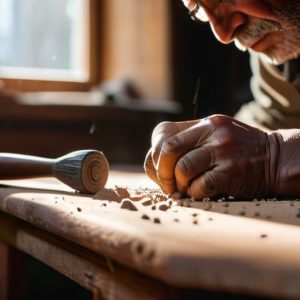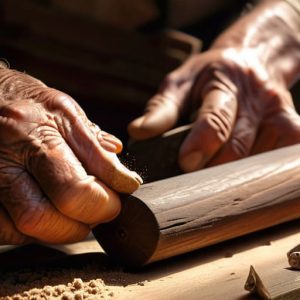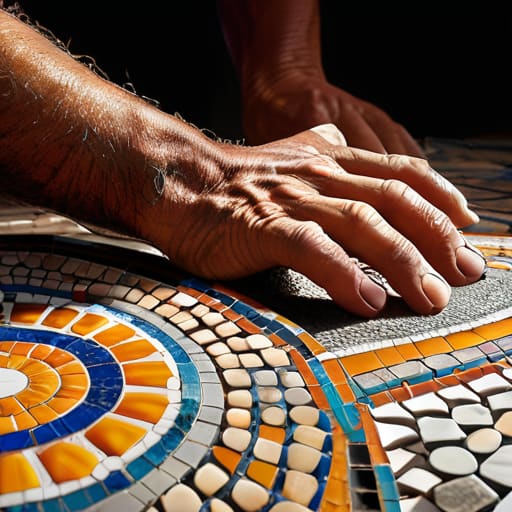
I was kneeling on a damp floor in a villa near Ravenna last autumn, my knees aching against the cold stone, when I realized most people look at a floor and see only a pattern. They see “art,” but they miss the structural truth hiding in plain sight. I watched a student try to explain the mosaic technique and tesserae using nothing but glossy textbook definitions, and it frustrated me to no end. You don’t learn about these things from a diagram; you learn them by seeing how a single piece of marble is wedged into a bed of lime mortar, or how the light catches the slight, intentional tilt of a stone.
I am not here to give you a sanitized, academic lecture on decorative arts. Instead, I want to show you the logic of the hand. We are going to look past the pretty colors and focus on the grit: how the mortar behaves, why certain shapes are chosen for stability, and how the craftsman’s decisions are preserved in every tiny gap. By the end of this, you won’t just be looking at a surface; you will be reading the history of how it was actually put together.
Table of Contents
The Weight of Choice Smalti vs Natural Stone
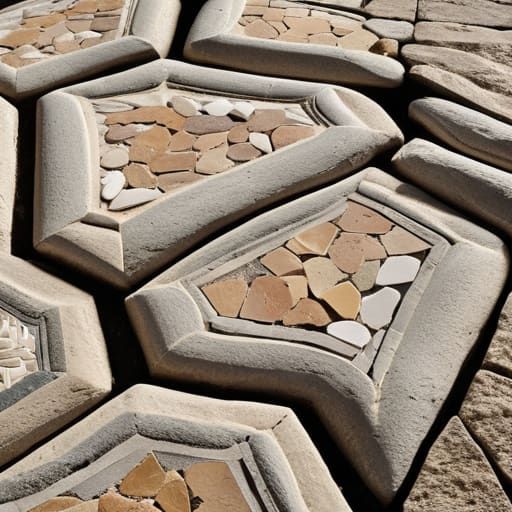
When I’m standing in a damp crypt in Ravenna or a sun-bleached villa in Sicily, I find myself tracing the line where a material shifts from earth to artifice. The choice between smalti vs natural stone isn’t just an aesthetic one; it’s a fundamental decision about how the surface will interact with light and time. Natural stone—marble, limestone, or basalt—carries a certain gravity. It feels rooted, as if the building simply grew those colors from the ground. There is a quiet, matte dignity to stone that respects the traditional Roman mosaic methods I often study in situ, where the goal was often structural permanence over flash.
But then, you encounter smalti. These hand-cut glass tesserae are a different beast entirely. Unlike stone, which absorbs light, smalti traps it within its uneven, opaque depths. When I photograph a section of a Byzantine floor, I’m looking for that specific, fractured refraction that only glass can provide. You see it in the way the artist manipulated the andamento patterns in mosaic to catch the flicker of a candle. Choosing smalti is a decision to introduce a controlled, shimmering artificiality—a way to make the heavy masonry feel as though it is breathing.
The Anatomy of Light in Glass Tesserae Types
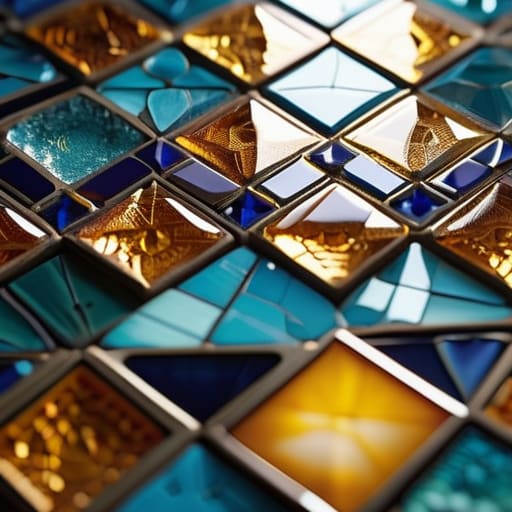
When I’m standing in a dim basilica, squinting at a Byzantine floor or a high-altar panel, I’m not just looking at color; I’m looking at how the light is trapped. This is where the different glass tesserae types reveal their true character. Unlike the flat, predictable surface of a modern tile, hand-cut glass—especially the thick, opaque smalti—possesses an internal depth that feels almost liquid. Because the glass is uneven, each piece catches the light at a slightly different angle. It’s a deliberate architectural choice: the craftsman isn’t just filling a void; they are engineering a way for light to dance across the surface.
If you look closely at the andamento patterns in mosaic, you’ll see how the flow of the rows dictates this light play. A tight, rhythmic line of tesserae creates a steady pulse of color, but when the artisan breaks that rhythm, the light shatters. I often find myself photographing the way a single, slightly tilted piece of glass casts a shadow into the surrounding grout, creating a micro-topography. It reminds me that the beauty isn’t in the perfection of the material, but in the intentionality of the tilt.
The Final Layer
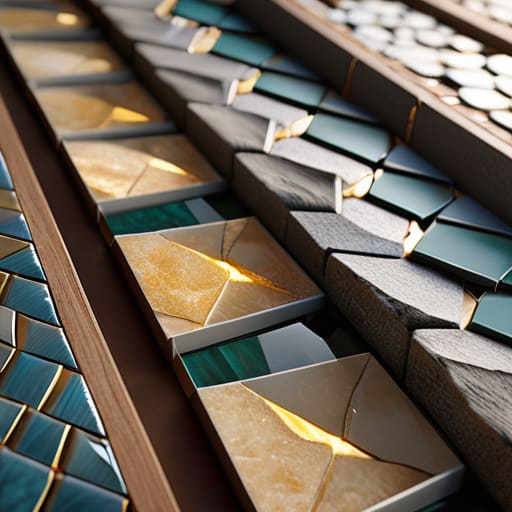
When we strip away the grand narratives of the cathedrals or the villas, we are left with the granular reality of the materials themselves. Whether it is the heavy, honest presence of natural stone or the light-catching, almost liquid quality of smalti, every choice dictates how a surface breathes and how it ages. We have seen how the texture of the tesserae determines the play of light, and how the very composition of the glass or stone changes the way a pattern interacts with the surrounding mortar. Understanding these nuances isn’t just about aesthetics; it is about recognizing the technical dialogue between the craftsman and the medium, a dialogue that is etched into the very surface of the work.
Next time you find yourself standing before a mosaic—perhaps one tucked away in a quiet corner of a Roman basilica or a crumbling courtyard in Sicily—I ask you to resist the urge to simply see the image. Instead, lean in. Look for the slight irregularities in the setting, the way the light hits a specific shard of glass, and the intentionality behind the gaps. A mosaic is not a static picture; it is a living record of human decision-making frozen in lime and stone. If you look closely enough, you will realize that the real masterpiece isn’t the pattern itself, but the extraordinary intelligence required to piece it all together.