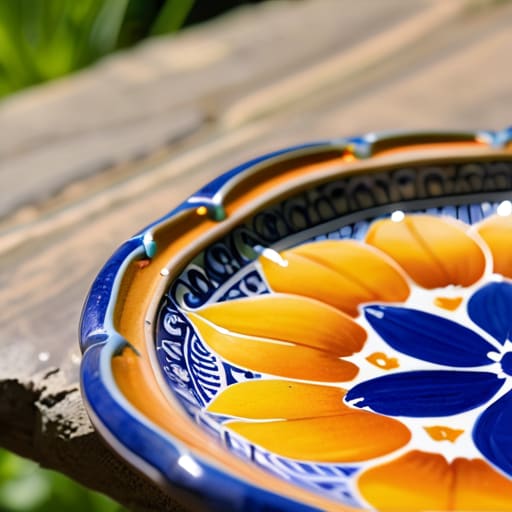
I remember standing on a scaffold in a crumbling palazzo near Syracuse, squinting through the midday glare at a fragment of a frieze. Most people would have just seen a pretty pattern, but I was obsessed with how the tin-glaze had actually settled into the earthenware. There is this pervasive, almost exhausting myth that majolica and glazed decoration are merely superficial layers added to hide poor craftsmanship or cheap clay. It’s a lie. When you look closely at the way the pigment bleeds into the slip or how a crack follows the thermal stress of the kiln, you realize the glaze isn’t a mask; it is a physical record of the firing process and the artisan’s specific temperament.
I am not here to give you a sanitized art history lecture or a list of expensive, useless adjectives. Instead, I want to show you how to read these surfaces like a blueprint. We are going to look past the “beauty” to understand the chemistry of the oxides and the mechanical reality of how these glazes bond to their substrates. By the end of this, you won’t just see a decorated tile; you will see the heat, the hand, and the structural decisions made centuries ago.
Table of Contents
Tracing the Tin Glazed Earthenware History
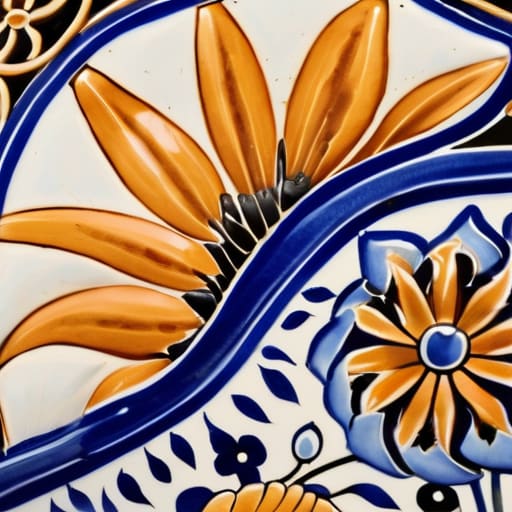
When I am surveying a site, I often find myself looking past the grand arches and looking instead at the smaller, more intimate details—the tiles embedded in a wall or the fragments of a broken vessel in the soil. To understand the tin-glazed earthenware history of the Mediterranean, you have to look at the chemistry of the surface itself. It wasn’t enough to simply shape the clay; the real challenge lay in the white, opaque coating that allowed for such precise artistry. This wasn’t a mere layer of paint, but a transformative skin that changed how light interacted with the object.
As I trace the evolution of these pieces, I see the shift from simple utility to the complex, highly intentional Renaissance majolica styles that eventually defined Italian workshops. You can see the transition in the way the pigments behave. In earlier, more rustic pieces, the colors feel heavy, almost anchored to the body. But as the techniques matured, the artists began to treat the glaze like a canvas. They learned to manipulate the vibrant ceramic pigments so they wouldn’t bleed into one another during the intense heat of the kiln. It is a delicate, dangerous dance between the mineral and the fire, and when you find a piece where the lines remain crisp after five centuries, you are looking at a master’s absolute control over the medium.
The Secret Life of Vibrant Ceramic Pigments
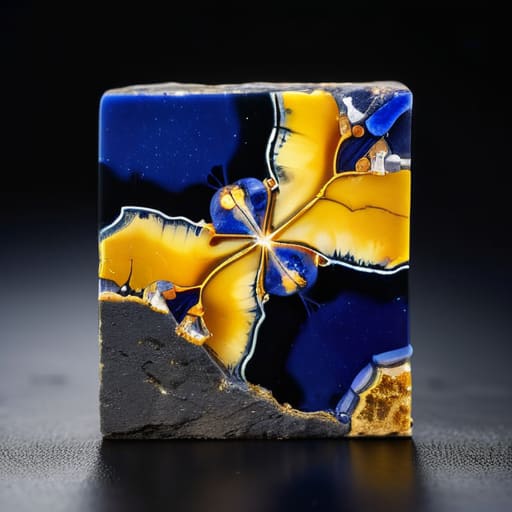
When I am on-site, I often find myself staring at a fragment of broken tile, not for its pattern, but for the way the color sits within the body. In the world of polychrome ceramic decoration, the pigment isn’t just sitting on top; it is fighting for its place within the glaze. To understand the depth of a deep cobalt or a brilliant antimony yellow, you have to look at how the minerals reacted to the kiln’s breath. It is a delicate, often violent chemistry. You can see where a master technician pushed the heat to achieve a specific saturation, or where a slight drop in temperature left the pigment looking muted and dusty rather than glass-like.
The real magic—and the real danger—lies in the chemistry of the medium itself. During the height of the Renaissance majolica styles, the reliance on certain oxides meant that the very vibrancy we admire today was inextricably linked to the chemical stability of the glaze. I often find myself photographing the way a copper-green pigment has slightly bled into the surrounding white tin-glaze; it is a tiny, accidental map of the firing process. These vibrant ceramic pigments are more than just color; they are a frozen record of the thermal stresses and the precise, unrepeatable moments inside the furnace.
Beyond the Surface Shine
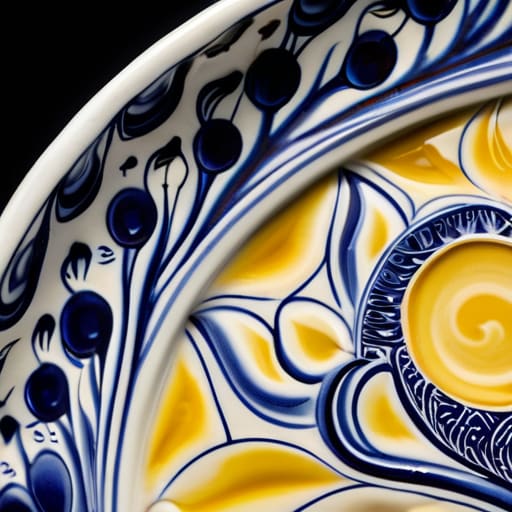
When we look at these pieces, we aren’t just seeing a pattern of cobalt or antimony; we are seeing the physical record of a high-stakes chemical dance. From the specific way the tin-glaze was applied to the raw, porous earthenware, to the precise moment the pigments fused with the glass during the firing, every element tells a story of technical mastery and material limitation. We have traced how the history of these ceramics moved from simple functional vessels to the complex, layered narratives of the Renaissance, and how the chemistry of the pigments themselves dictated the very aesthetic boundaries of the era. It is a history written in mineral and heat.
Next time you find yourself standing before a display of majolica, I urge you to resist the urge to simply admire the color. Look closer at the edges, where the glaze meets the clay, and see if you can find the tiny imperfections—the slight runs, the pinholes, the uneven thickness—that prove a human hand was guiding the brush. These aren’t flaws; they are the fingerprints of the maker surviving through the centuries. If we stop looking at these objects as mere decorations and start seeing them as structural achievements, we begin to truly understand the people who sat at the kiln, trying to capture light in a handful of clay.