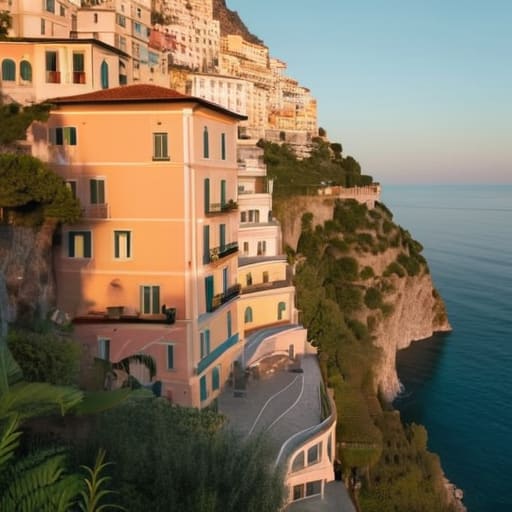
I remember standing on a crumbling limestone ledge near Positano three years ago, the humidity pressing against my neck like a damp cloth, watching a modern contractor argue with a local mason. The contractor was waving a glossy blueprint, shouting about reinforced concrete and expensive steel pilings, while the old man just pointed at the way the mountain itself breathes. People talk about Amalfi Coast building on slopes as if it’s a problem to be solved with sheer, brute-force engineering, but that is a fundamental misunderstanding. They treat the terrain like an enemy to be conquered, rather than a partner that requires a very specific, ancient kind of negotiation.
I’m not here to sell you on high-tech miracles or the latest architectural gimmicks that will inevitably crack under the first seasonal downpour. Instead, I want to show you how to read the logic of the landscape. We are going to look past the postcard views and focus on the actual mechanics: the terracing, the drainage, and the way stone must be seated to respect the gravity of the coast. I will share what I’ve learned from decades of surveying these vertical edges, focusing on how to build with the mountain, not against it.
Table of Contents
Reading the Scars of Coastal Cliffside Construction Techniques
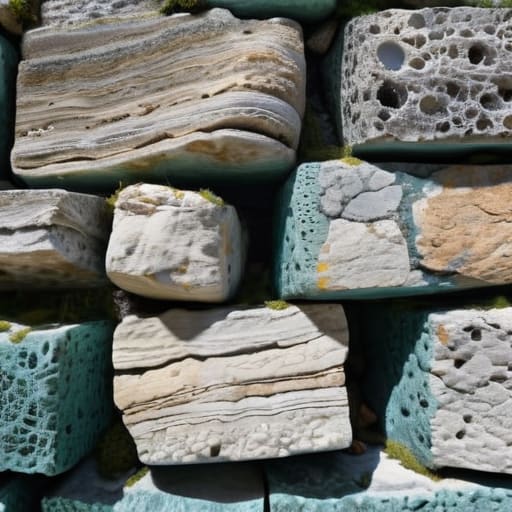
When I run my hands along the base of a centuries-old structure here, I’m not looking at the facade; I’m looking for the evidence of the struggle. You can see it in the irregularity of the dry-stone stacking, where the masons had to compensate for the sheer, unpredictable geometry of the limestone. These aren’t just walls; they are a frantic, beautiful dialogue between gravity and human intent. In many cases, the retaining wall design for steep slopes here relies on a specific kind of heavy, interlocking masonry that allows the earth behind it to breathe. If the stone were too tightly sealed, the seasonal rains would build up hydrostatic pressure and simply push the entire structure into the Tyrrhenian Sea.
I often find myself photographing the specific way a lime mortar has weathered in these crevices. In the older layers, the mortar is often thin, almost sacrificial, designed to yield slightly rather than crack under the weight of the mountain. This is the essence of vertical urbanism in coastal Italy: it is an architecture of compromise. You aren’t just building a house; you are negotiating a truce with a cliffside that never truly wants you there. Every uneven course of stone tells me exactly where the slope tried to push back.
The Weight of Stone Against the Mediterranean Tide
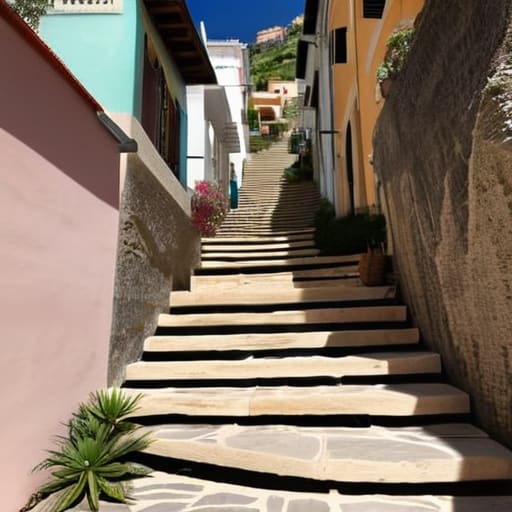
When I stand below the staircases of Positano, I don’t see a picturesque view; I see a constant, heavy negotiation between gravity and limestone. The sheer mass of the masonry isn’t just aesthetic—it is a functional necessity. To achieve this kind of vertical urbanism in coastal Italy, the builders couldn’t simply stack stones; they had to understand the pressure of the earth pushing outward from behind the house. I often find myself tracing the lines of the retaining wall design for steep slopes that support these structures, noting how the thicker, more irregular stones are placed at the base to absorb the sheer weight of the mountain above.
There is a specific tension in how these buildings interact with the sea air. The salt spray works its way into every micro-fissure, and if the mortar isn’t right, the whole system begins to fail. In my surveys, I’ve seen how the most successful examples of terraced architecture amalfi coast rely on a delicate balance of drainage and mass. You can see where the original masons left small, intentional gaps—not out of sloppiness, but to allow the mountain to “breathe” and weep water during a storm. It is a beautiful, precarious dance of stone and moisture.
The Living Record of the Cliffside
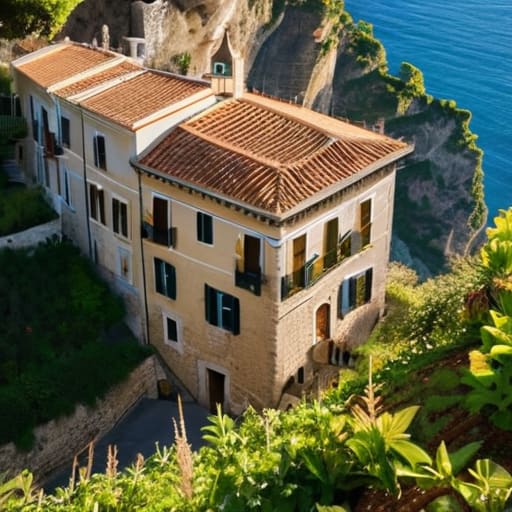
When we look back at these structures, we aren’t just seeing a collection of picturesque facades; we are seeing a hard-won negotiation between gravity and limestone. From the way the dry-stone terraces anchor the soil to the specific, heavy-set mortar used to resist the salt air, every element serves a structural purpose. We have seen how the builders didn’t try to conquer the slope, but rather learned to mimic its geometry, using the weight of the stone to create a stabilizing equilibrium that has lasted for centuries. To understand Amalfi is to understand that these buildings do not merely sit upon the landscape—they are physically woven into it.
Next time you find yourself wandering those narrow, vertical paths, I ask you to do more than just take a photo of the view. Look down at the base of a wall or trace the line where a foundation meets the raw rock. Look for the tool marks, the slight irregularities in the joints, and the quiet intelligence of the mason who stood exactly where you are standing, hundreds of years ago. These buildings are not static objects; they are ongoing conversations between human intention and the stubbornness of the earth. If you listen closely to the stone, it will tell you exactly how it survived.