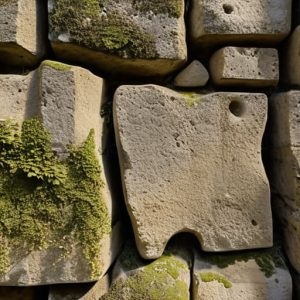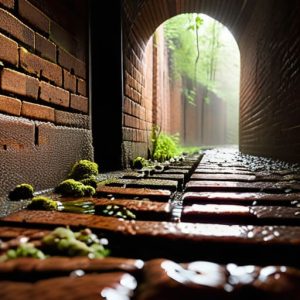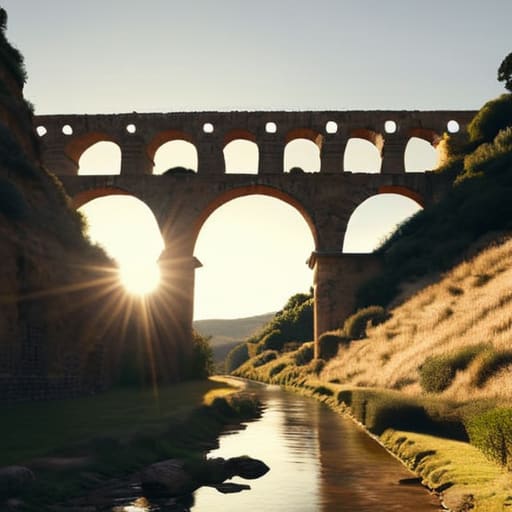
I was standing in the dust of a site near Segovia last autumn, squinting at a series of weathered stone channels, when it hit me how much we overcomplicate this. People love to talk about the “grandeur” of Roman engineering as if it were some mystical, divine gift, but when you actually look at the math of aqueducts and gradient, it’s much more visceral than that. It wasn’t magic; it was a constant, exhausting battle against the terrain. You see it in the way the stone settles—the builders weren’t just following a blueprint; they were negotiating with gravity, inch by agonizing inch, to ensure that a single drop of water didn’t lose its momentum or move too fast and scour the very channels meant to carry it.
I’m not here to give you a sanitized lecture on hydraulic theory or recite textbook definitions that belong in a university syllabus. Instead, I want to show you the actual logic hidden in the masonry. We are going to look at how those ancient engineers managed the impossible slope, why they made certain compromises in the terrain, and how you can read those decisions in the joints and mortar today.
Table of Contents
The Precision of the Slope Calculation for Water Flow
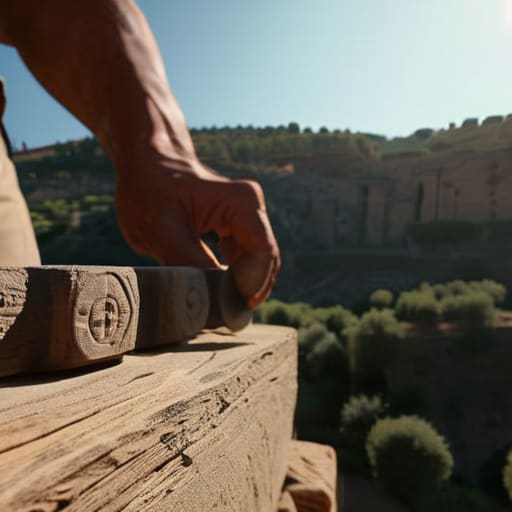
I spent an hour yesterday tracing a single line of opus signinum in a fragment near Tivoli, thinking about the sheer mental weight of the math involved. When you look at these ruins, it’s easy to see the arches, but the real miracle is the invisible math governing the movement. To achieve a consistent slope calculation for water flow across miles of uneven, rugged terrain, these engineers couldn’t rely on modern lasers or GPS. They worked with the chorobates—a heavy, wooden leveling tool—and a level of patience that frankly makes my modern surveying tools feel like toys.
They weren’t just building a stone channel; they were managing energy. If the descent was too steep, the water would gain enough velocity to scour the mortar from the joints, literally eating the structure from the inside out. If it was too shallow, the flow would stagnate, leaving silt to choke the system. This is the core of roman hydraulic engineering principles: it is a delicate, constant negotiation between the weight of the water and the stability of the masonry. You can see where they struggled in the slight, intentional deviations in the stone courses—the places where they had to fight the mountain just to keep that precious, steady trickle moving toward the city.
Mastering Gravity Fed Water Systems Through Stone
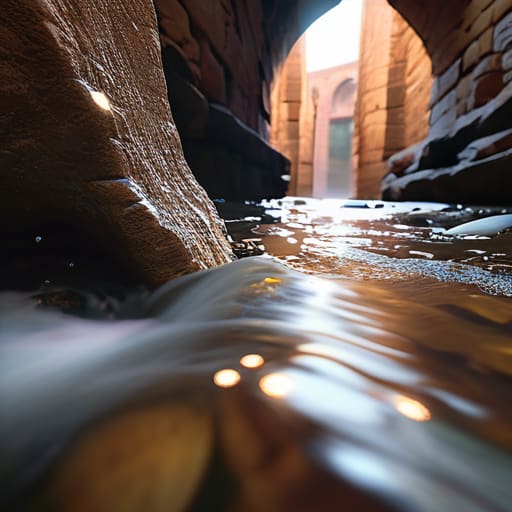
When I stand before the remains of a channel, I don’t just see a stone trough; I see the physical manifestation of a constant battle against friction. To maintain these gravity-fed water systems, the builders couldn’t rely on pumps or modern mechanics—they had only the weight of the water itself and a relentless, downward pull. I often find myself tracing the interior lining of the specus, looking for the traces of opus signinum. This waterproof mortar wasn’t just a sealant; it was a calculated necessity to ensure that the fluid dynamics in ancient infrastructure remained predictable. If the surface was too rough, the water would lose momentum; if it was too steep, the sheer velocity would scour the stone and destroy the very structure meant to contain it.
You can see the sheer stubbornness of the engineers in the way they transitioned from massive arched tiers to more modest, ground-level conduits. They weren’t just moving liquid; they were managing energy. Every slight adjustment in the masonry was a response to the landscape’s refusal to cooperate. It is in these tiny, imperceptible corrections in the stone bed that you truly witness roman hydraulic engineering principles in action. They weren’t just building a path for water; they were mastering the physics of a landscape that wanted to stay dry.
The Weight of the Water
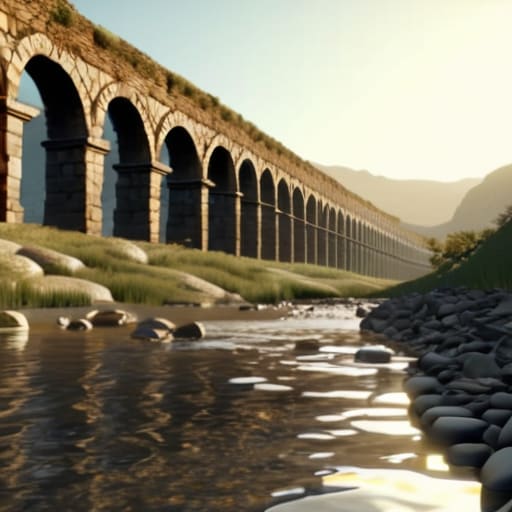
When I stand before these ruins, I don’t just see crumbling stone arches; I see the ghosts of a thousand tiny, calculated decisions. We have traced how the Roman engineer wrestled with the landscape, using nothing but the stubborn logic of gravity and the precise, unrelenting math of the gradient to force water across valleys. From the careful selection of hydraulic mortar to the rhythmic, measured slope that kept the flow constant without eroding the channel, every element was a response to a physical necessity. It wasn’t just about moving liquid from point A to point B; it was a triumph of technical discipline over the chaos of the natural terrain.
Next time you pass a relic of these systems, don’t just glance at the scale of the masonry. Look closer at the joints and the subtle, intentional lean of the conduit. There is a profound intimacy in realizing that the water we drink today follows the same invisible paths carved by hands that haven’t touched stone in two millennia. These structures remind us that architecture is a conversation between human intent and the laws of physics. If you listen to the stones, they will tell you exactly how they were made to endure.