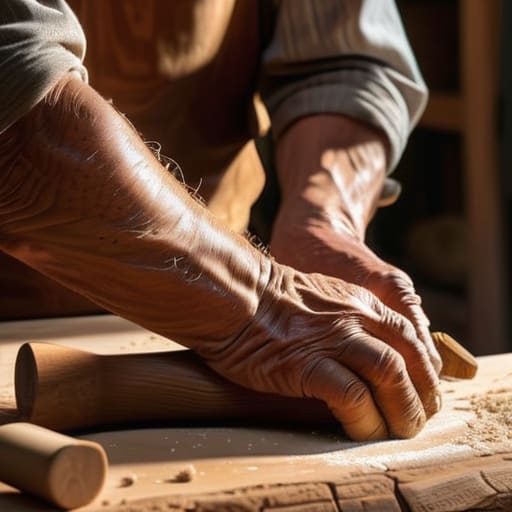
I was in a crumbling palazzo near Palermo last autumn, my knees aching from the humidity, when I found it: a series of rhythmic, intentional gouge marks in a limestone lintel that no modern machine could ever replicate. Most historians will tell you that guilds and building trades were merely bureaucratic engines of control, rigid systems designed to stifle competition and inflate prices through sheer monopoly. They love the paperwork, the charters, and the politics. But they are looking at the wrong documents. If you stop reading the dry administrative decrees and start looking at the physical evidence left in the stone, you realize these organizations weren’t just about rules; they were about the survival of a specific, tactile intelligence.
I am not here to give you a lecture on medieval economic policy or a list of dusty statutes. Instead, I want to show you how to read the actual fingerprints of the past. We are going to strip away the academic fluff and look at how these ancient networks of masters and apprentices actually dictated the way a joint was cut or a mortar was mixed. By the end of this, you won’t just see a wall; you will see the living lineage of the hands that built it.
Table of Contents
Tracing the Fingerprints of the Master Mason
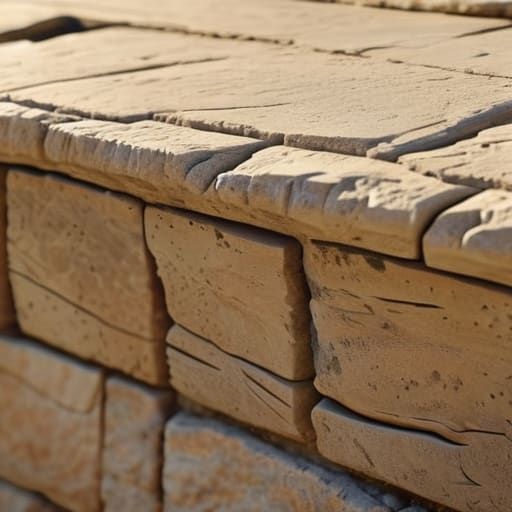
I was surveying a crumbling lintel in a small village outside Lucca last Tuesday when I saw it—a series of rhythmic, slightly uneven chisel marks that no machine could ever replicate. To most, it’s just a weathered surface, but to me, it’s a signature. These marks are the physical residue of the apprentice and journeyman system, a ladder of skill where a boy would spend years learning the weight of a hammer before he was ever allowed to touch a cornerstone. You can see the progression of competence in the stone; the rougher, more hesitant strikes of a novice often sit right beside the confident, decisive cuts of a master.
This wasn’t just about talent, though; it was about a rigid, almost sacred structure of quality control. Through the various masonry and carpentry guilds, these men weren’t just working; they were upholding a standard that was enforced by their peers. If a joint was too wide or a timber too green, it wasn’t just a mistake—it was a violation of the collective reputation. When I trace these tool marks, I’m not just looking at stone; I am reading the unspoken contract between the builder and the community, a way of ensuring that what they built would outlive their own names.
Where the Stone Remembers the Maker
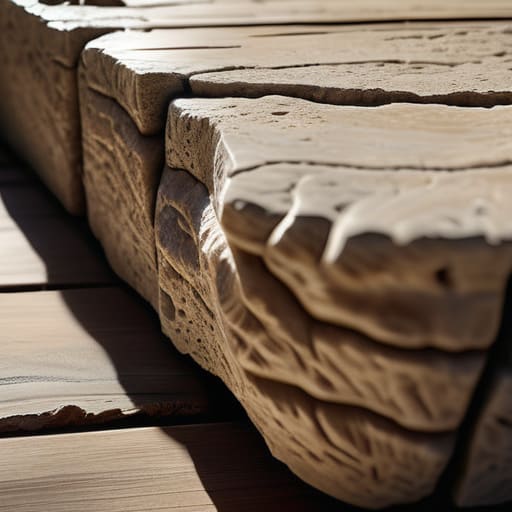
I was in a small courtyard near Lucca last Tuesday, crouched over a fragment of travertine that had fallen from a lintel. Even under the grime of centuries, the rhythmic, slightly uneven strike of a bolster chisel was still visible. It isn’t just a mark; it’s a signature of the apprentice and journeyman system in action. You can see exactly where a younger worker, perhaps still nervous and eager to please, applied too much pressure, and where a seasoned hand smoothed the transition with a confident, sweeping stroke. These aren’t just imperfections; they are the physical evidence of a hierarchy of learning that functioned long before we had standardized textbooks.
When we talk about the evolution of professional organizations, we often get lost in the legalities of charters and tax exemptions. But for me, the real history of masonry and carpentry guilds is found in the way a joint is cut to account for the specific grain of a local timber. The stone remembers the maker because the maker had to negotiate with the material. There is a specific tension in the way a stone is wedged—a silent dialogue between the craftsman’s intent and the stubborn reality of the quarry. If you look closely enough, you aren’t just seeing a wall; you are seeing a lifetime of practiced, inherited movements.
The Living Thread of the Trade
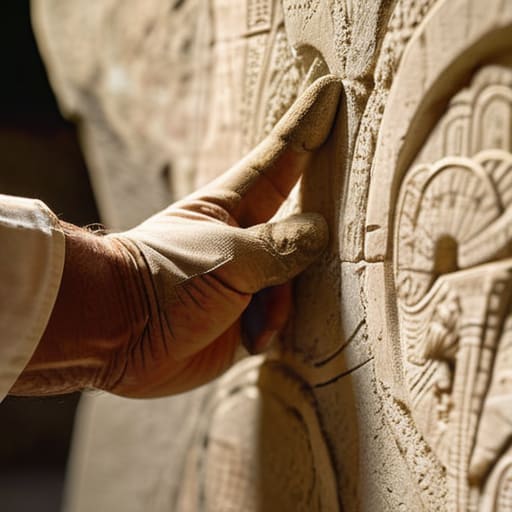
When we look at these structures, we aren’t just seeing piles of stone or layers of lime; we are seeing the culmination of centuries of codified knowledge. From the specific geometry of a guild-stamped joint to the way a certain region’s mortar recipe was guarded like a family secret, every detail is a testament to a collective intelligence. We have seen how the mason’s mark and the joiner’s specific beveling aren’t just decorative flourishes—they are the technical vocabulary of a workforce that valued continuity over individual ego. To understand these buildings, you must accept that the guild was more than a professional association; it was the very scaffolding upon which our architectural heritage was built.
As I sit here with my sketchbook, tracing the lines of a weathered archway, I am struck by how much these ancient hands still have to teach us. In our modern era of prefabricated parts and instant assembly, we often lose the sense of intentionality that comes from a craft learned through decades of repetition. We must learn to look closer, to find the rhythm in the chisel marks and the wisdom in the way a beam is seated. If we stop treating buildings as mere objects and start seeing them as conversations between makers, we might finally learn how to build things that are actually meant to last.