I was standing in the shadow of a crumbling travertine archway near the Piazza Navona last autumn, feeling the dampness of the Roman humidity seep into my boots, when I realized how much we get wrong. Most guidebooks treat rome and papal patronage as if it were some ethereal, divine fog that simply descended upon the city, manifesting beautiful churches out of thin air. They talk of “grand visions” and “spiritual legacies,” but they never mention the grit under the fingernails. They ignore the fact that every soaring dome was a logistical nightmare of heavy stone, expensive lime, and the very human, often desperate, decisions of contractors trying to stay within a budget that was being inflated by a Pontiff’s ego.
I’m not here to give you a lecture on theology or a list of dates to memorize for an exam. Instead, I want to show you how to read the physical evidence left behind by those centuries of power. We are going to look past the gold leaf and the frescoes to find the real story: the way the mortar was mixed, the quality of the stone cuts, and how the sheer weight of papal ambition actually shaped the very bones of the city.
Table of Contents
Reading the Ambition in Renaissance Papal Architecture
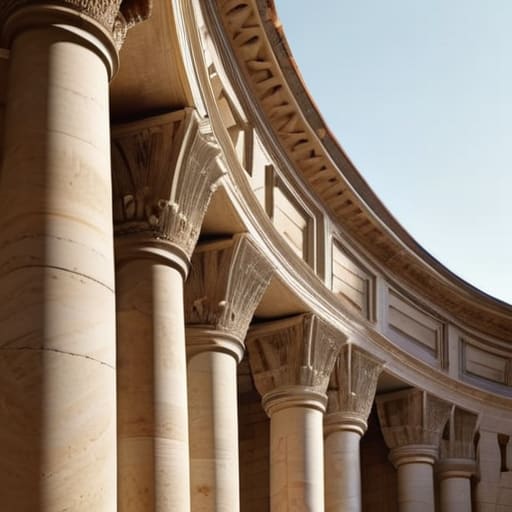
When I stand in the shadow of a Renaissance facade in Rome, I don’t look at the soaring proportions first; I look at the seams. There is a specific, almost aggressive confidence in the way the stone is handled during this period. In the context of Renaissance papal architecture, you can see the shift from the cautious, modular logic of the Middle Ages to something much more performative. It’s in the way a block of travertine is dressed—perfectly, almost too perfectly—to signal that the man paying for it possessed both the divine right and the infinite purse to command the very earth to behave.
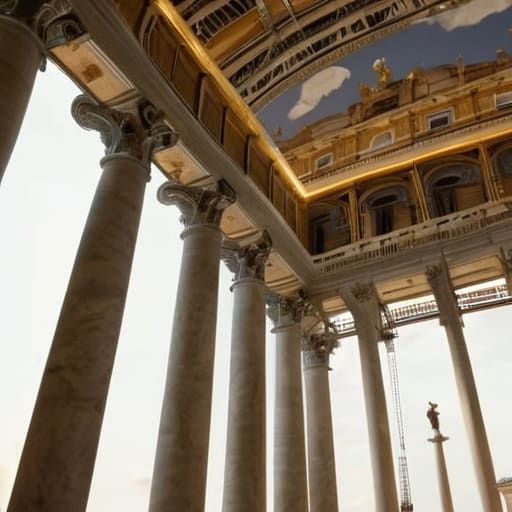
The sheer scale of the St. Peter’s Basilica construction tells a similar story of ego and engineering. If you examine the massive piers, you aren’t just looking at structural necessity; you are looking at the physical manifestation of a theological claim. The transition from the delicate geometry of the early Cinquecento to the muscularity of later phases shows exactly how the influence of popes on Roman art moved from intellectual refinement toward a more overwhelming, sensory dominance. You can see the moment the mason stopped merely following a template and started building a stage for a superpower.
The Heavy Cost of Ecclesiastical Patronage History
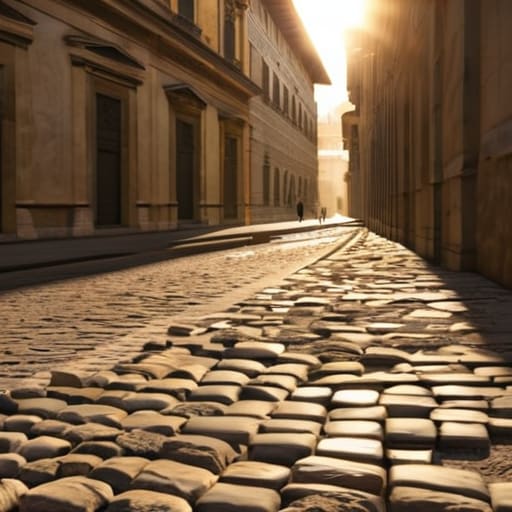
When I walk through the streets near the Piazza Navona, I don’t see the grand vistas as mere triumphs of aesthetics; I see them as the physical scars of immense expenditure. The ecclesiastical patronage history of this city isn’t just a timeline of names; it is a ledger of stone and sweat. To fund projects like the massive scale of St. Peter’s Basilica construction, the papacy didn’t just rely on tithes; they leveraged the very fabric of Roman life. You can see the cost in the way certain neighborhoods were cleared, their medieval bones crushed to make way for the sweeping, theatrical perspectives required by the era.
There is a specific tension in the way the marble is sourced. When you examine the heavy, imported stone used in these monumental facades, you are looking at a direct manifestation of papal power and cultural legacy. It wasn’t enough to build well; they had to build with a weight that felt eternal. Every massive block of travertine and every intricate capital was a calculated move to ensure that the influence of popes on Roman art remained unshakeable. For a conservator, the tragedy is often seeing how this sheer scale sometimes forced craftsmen to take shortcuts in the hidden joints, sacrificing the structural nuance for the sake of the grand, overwhelming silhouette.
The Stones Remain
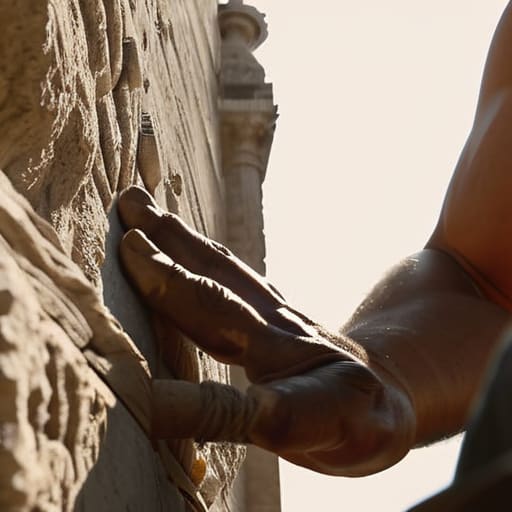
When we step back from the grand silhouettes of the Vatican or the sweeping facades of the Piazza Navona, we shouldn’t just see the triumph of the Church. We must see the friction between the two. We have seen how the immense wealth of the Papacy didn’t just fund beauty; it dictated the very grain of the city, forcing local materials to perform roles they were never meant for and driving masons to achieve the impossible. From the way the heavy travertine was hoisted into place to the specific, costly mixtures of lime and volcanic ash used to ensure these monuments outlasted their creators, every detail is a fingerprint of ecclesiastical power and human labor.
So, the next time you find yourself wandering through a Roman side street, I ask you to stop looking at the skyline and start looking at the joints. Look at where the marble meets the brick, or where a hurried repair attempts to hide a structural compromise made centuries ago. Architecture is not a static photograph; it is a continuous, breathing dialogue between the patron’s ego and the craftsman’s hand. If you learn to read the scars in the stone, you will realize that Rome isn’t just a museum of popes—it is a living record of how we decide to leave our mark upon the earth.