I spent three hours last Tuesday in the Duomo, not looking at the frescoes or the golden light, but crouched on a scaffold, tracing the line where the brickwork meets the ribs. Most guidebooks will try to sell you a fairy tale of divine inspiration or impossible genius when explaining how the florence dome was built, but they always skip the grit. They talk about the “miracle” of the structure while ignoring the physical reality of the heavy, red-clay bricks and the sheer, terrifying mathematics of the weight distribution. To me, the genius isn’t in a vague sense of brilliance; it’s in the way the masonry actually holds itself together against the pull of the earth.
I am not here to give you a sanitized history lesson or a list of dates to memorize for a quiz. Instead, I want to show you the logic of the joints and the clever, desperate ways the builders manipulated gravity. We are going to look past the marble skin to find the real story: the mortar, the herringbone patterns, and the mechanical decisions that stopped a mountain of brick from crushing the city below.
Table of Contents
Tracing the Logic of the Octagonal Dome Structure
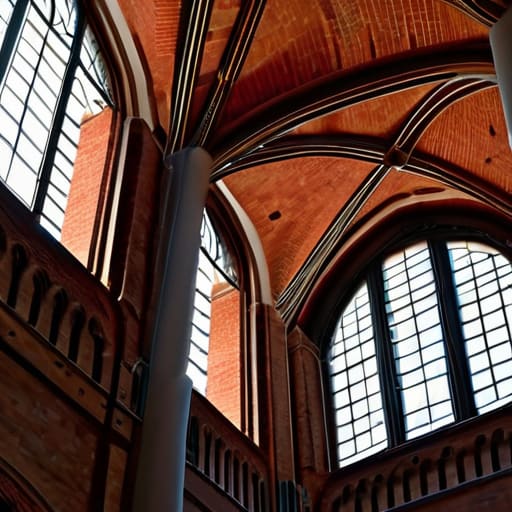
When I stand beneath the drum of the cathedral, I don’t just see a massive void; I see the tension of a thousand individual decisions. The logic of the octagonal dome structure isn’t found in a single grand gesture, but in the way the weight is systematically diverted. Brunelleschi couldn’t rely on traditional wooden scaffolding—the sheer scale made it impossible—so he had to rethink the very physics of the curve. He moved away from the idea of a solid mass and instead leaned into a double shell dome design. This wasn’t just for aesthetics or to lighten the load; it created a structural cavity that allowed the inner shell to act as the primary load-bearing element while the outer skin protected it from the elements.
If you look at the way the masonry is integrated, you start to see the genius of his centering-free construction methods. By laying the bricks in a herringbone pattern—spina di pesce—he essentially locked the courses together, preventing the masonry from sliding inward before the mortar could set. It’s a brilliant, tactile solution to a mathematical nightmare. You can almost feel the frantic energy of the masons as they realized that the dome wasn’t just sitting there; it was actively working to hold itself up, layer by painstaking layer.
Where Mathematics Meets the Mortar
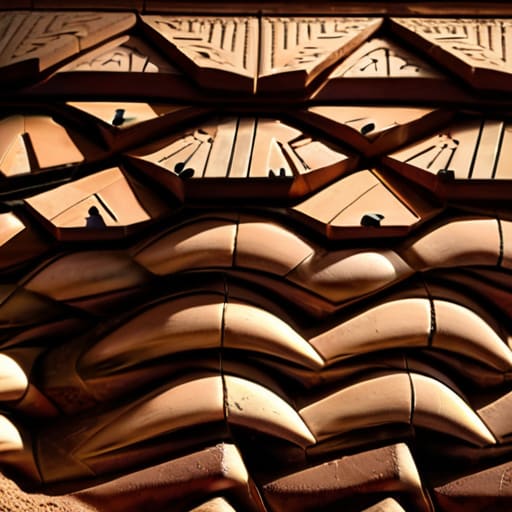
It is easy to get lost in the sheer scale of the thing, but if you lean in close to the masonry, you realize this wasn’t just a feat of geometry; it was a desperate, calculated negotiation with physics. Brunelleschi couldn’t rely on traditional wooden scaffolding—there simply wasn’t enough timber in Tuscany to support a structure of this magnitude. Instead, he turned to a series of Renaissance architectural innovations that allowed the structure to support itself as it rose. He used a sophisticated spina pesce (herringbone) brickwork pattern, which essentially locks the horizontal courses into place, preventing them from sliding inward before the mortar even had a chance to set.
When I examine the transition points between the ribs, I don’t just see stone; I see the fingerprints of a man who was terrified of gravity. The double shell dome design wasn’t just an aesthetic choice to make the profile look lighter; it was a way to create a rigid, hollowed-out structural system that minimized weight while maximizing strength. You can see it in the way the inner, thicker shell carries the primary load, while the outer skin protects it from the elements. It is a perfect marriage of Filippo Brunelleschi engineering and raw, tactile material—a moment where the abstract math of the scholar finally met the grit of the mason’s mortar.
The Ghost in the Masonry
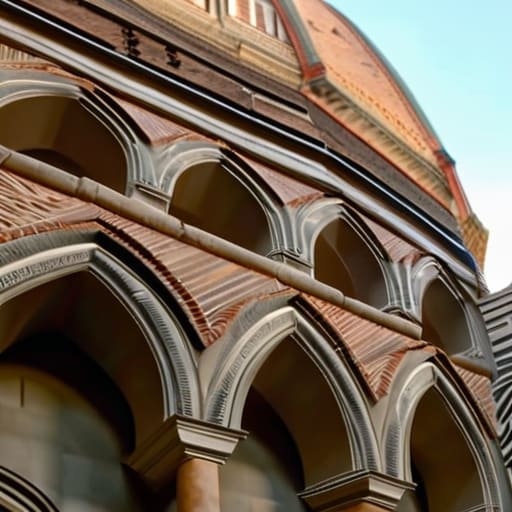
When I stand beneath that massive shell, I don’t just see a triumph of Renaissance geometry; I see the physical manifestation of a thousand tiny, calculated risks. We have traced the logic from the ingenious herringbone brickwork that prevented the masonry from sliding inward, to the way the mathematics of the pointed arch distributed those crushing loads down into the drum. It wasn’t just a single stroke of genius, but a relentless series of adjustments made in the mortar and the placement of every single stone. To understand the dome is to understand that structural stability is a conversation between the weight of the material and the intelligence of the layout.
Ultimately, the Florence dome reminds me why I spend my life photographing tool marks on old stone. It is a reminder that architecture is never just an abstract concept or a beautiful silhouette against the Tuscan sky. It is a heavy, sweating, breathing struggle against gravity. The next time you look up at a great monument, don’t just admire the scale. Look for the seams, the joints, and the imperfections. Look for the places where the builders had to fight to make the impossible stand. That is where the true soul of the building resides—not in its perfection, but in the decisions made to keep it standing.