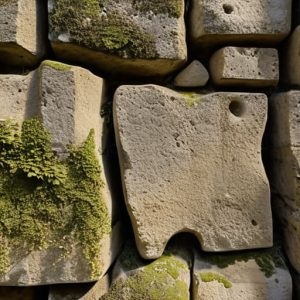
I was kneeling in the dust of a crumbling portico outside Palermo last autumn, my flashlight tracing the jagged edge of a broken plinth, when it hit me how much we get wrong about history. People walk past these sites and see only the grand, sweeping gestures of power, treating columns and commemorative sculpture as if they were merely decorative afterthoughts or symbols of abstract prestige. But they aren’t just ornaments; they are the physical evidence of human desperation and precision. When you look closely at the way a capital is carved or how a pedestal is anchored into the bedrock, you aren’t looking at “art”—you are looking at a conversation between a mason’s chisel and the sheer weight of the stone.
I am not here to give you a lecture on aesthetic theories or the “sublime” beauty of antiquity. Instead, I want to show you how to read the structural truth hidden beneath the surface. We are going to look past the myth of the finished masterpiece to examine the joints, the tool marks, and the raw engineering that allowed these monuments to stand for centuries. My goal is to teach you how to see the intentionality of the builder, stripping away the romanticized hype to reveal the real story written in the stone.
Table of Contents
The Gravity of Imperial Victory Monuments
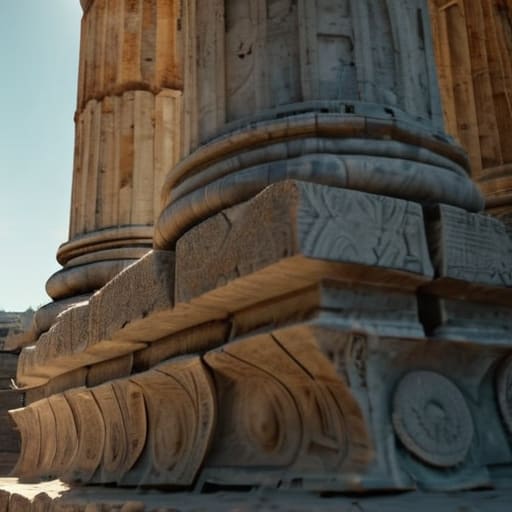
When you stand at the base of these imperial victory monuments, you aren’t just looking at a pile of marble; you are looking at the heavy, physical manifestation of an ego that refused to die. I often find myself tracing the seams where the massive drums meet. There is a specific tension there—a sense that the sheer weight of the stone is being used to anchor a political truth. These aren’t just vertical supports. They are massive, structural anchors for a narrative that demanded to be seen from every angle of the Forum.
If you look closely at the way the figures are carved, you can see the transition from mere decoration to something far more calculated. The bas-relief storytelling techniques used here aren’t just about beauty; they are about movement and momentum. I’ve spent hours photographing the way the light hits the shallow depth of the carvings at sunset, revealing how the sculptors used shadow to guide your eye through the chaos of a battle scene. It is historical propaganda in art at its most sophisticated, where every chisel stroke was a deliberate attempt to cement a specific version of reality into the very bedrock of the city.
Tracing the Intent in Monumental Stone Carvings
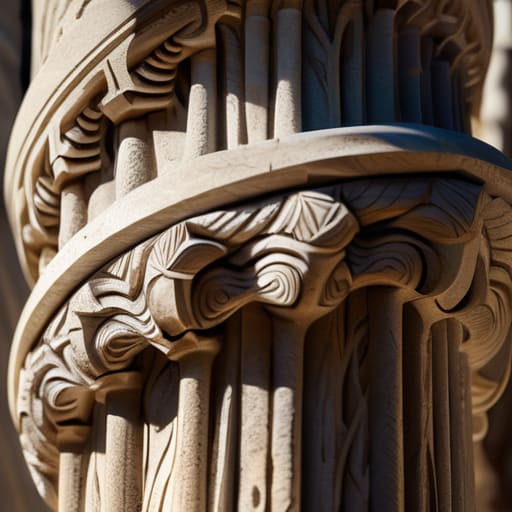
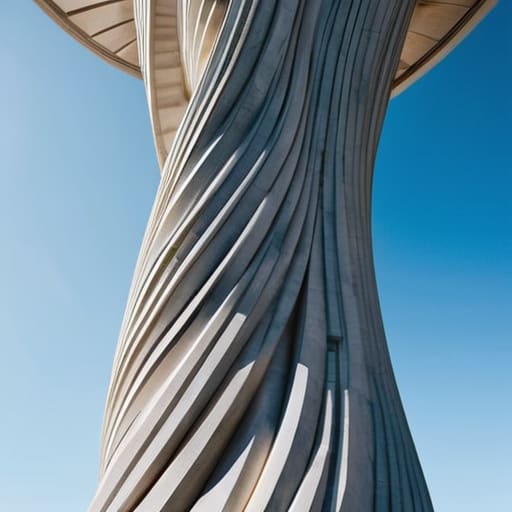
When I stand before these surfaces, I try to ignore the grand scale of the history and focus instead on the chisel. If you look closely at the monumental stone carvings of a triumphal column, you see the frantic, precise energy of the carver trying to translate a chaotic military campaign into a controlled, spiraling rhythm. It isn’t just art; it is a mechanical process of translation. You can see where the artisan had to adjust the depth of the undercut to ensure the shadows would carry the scene even under the harsh, midday Mediterranean sun.
The way these figures are layered tells you everything about the architectural narrative sculpture being employed. They weren’t just decorating a shaft; they were using bas-relief storytelling techniques to guide the eye upward, forcing the viewer to physically move to “read” the progression of the conquest. I often find myself tracing the transition points where the relief becomes shallower, almost a whisper against the stone, to signal a change in scene or a shift in the political weight of the message. It is in these subtle shifts in depth—the decision to carve deep or to merely scratch the surface—that you find the true tension between the stone’s permanence and the fleeting ego of the emperor.
The Stone Remains
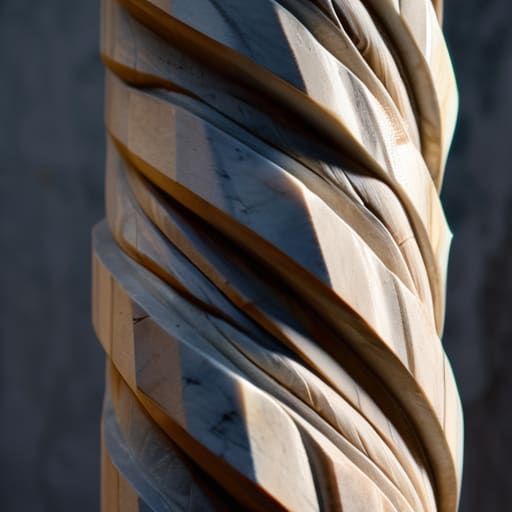
When we look at these monuments, we shouldn’t just see a finished, polished surface. We have to see the tension between the weight of the marble and the sheer audacity of the people who moved it. Whether it is the way a column capital is carved to catch a specific angle of light, or the subtle tool marks left behind by a sculptor trying to make stone mimic the softness of skin, these elements are not mere decorations. They are the physical evidence of human will. From the massive, gravity-defying proportions of imperial victory columns to the intricate, communicative details of commemorative reliefs, we are looking at a complex dialogue between materiality and memory.
Next time you find yourself standing before a monument, I urge you to step back from the grand narrative for a moment. Stop looking at what the inscription says and start looking at how the stone was actually handled. Look at the joints, the weathering patterns, and the way the shadows fall into the deep-cut grooves of a carving. If you pay close enough attention, you’ll realize that the building isn’t just a backdrop for history; it is the living witness to it. The real story isn’t in the history books, but in the silent testimony of the craftsmanship that allowed these stones to endure long after the empires they celebrated had turned to dust.