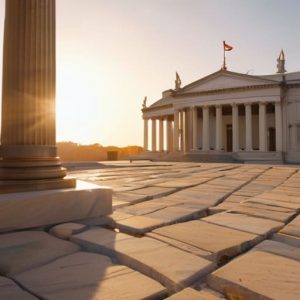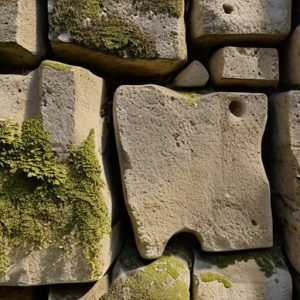
I was standing in a dusty corner of a forum in Ostia last summer, squinting at a seam where two massive travertine blocks met, when I realized how much we get wrong. Most historians will sit in a climate-controlled office and lecture you on the grand political theories of imperial patronage and building, treating these structures like abstract chess pieces moved by emperors. But they aren’t looking at the scars left by the iron clamps or the way a specific quarry’s grit was forced into a joint to satisfy a budget. To me, the politics isn’t in the history books; it’s in the way the stone was actually handled by the men on the ground.
I’m not here to give you a sanitized lecture on Roman grandeur or the lofty ideals of state-sponsored architecture. Instead, I want to show you how to read the material reality of these decisions. We are going to look past the marble veneer to find the real story: the logistics, the compromises, and the sheer human effort required to turn an emperor’s ego into something that could actually stand the test of time.
Table of Contents
Reading Intent in the Mortar of Emperors
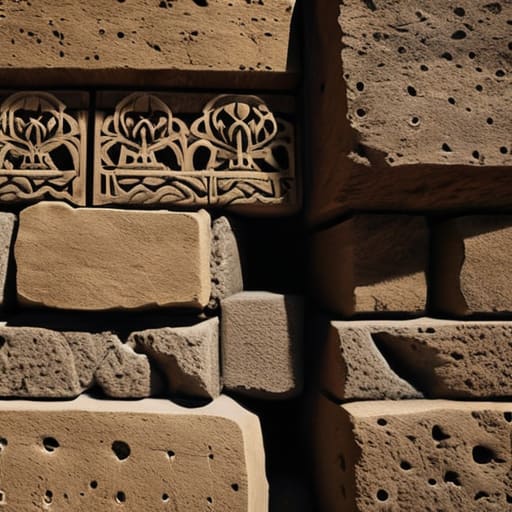
When I stand before a stretch of Roman concrete, I don’t see a blank wall; I see a ledger of resources. In the early days of the Empire, the mortar was a humble thing, but as the reach of the Caesars expanded, the chemistry changed. You can actually trace the shift in monumental construction and political power by looking at the aggregate. In the capital, they were pulling volcanic ash from Pozzuoli to create a bond that felt eternal, a deliberate choice to ensure that their presence wouldn’t just last a lifetime, but would defy time itself.
It isn’t just about strength, though. There is a certain arrogance in the way the lime was processed in certain provinces to mimic the Roman standard. It was a form of architectural propaganda in antiquity; even in a remote outpost in North Africa, the mortar had to look and behave like it belonged to Rome. By forcing local masons to adhere to these specific, expensive recipes, the state wasn’t just building a wall—they were imposing an identity. When I photograph a particularly dense layer of opus caementicium, I’m not just looking at stone and lime; I’m looking at the will of an empire hardening into place.
The Economic Impact of Royal Building Programs
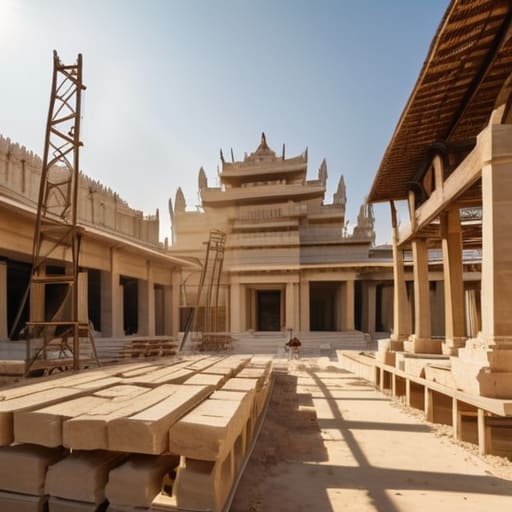
When I walk through the ruins of a provincial forum, I don’t just see crumbling limestone; I see a massive, forced redistribution of wealth. A royal building program isn’t just an aesthetic choice; it is a violent injection of capital into a local economy. To build a temple or a bath complex, an Emperor had to move mountains—literally. This meant massive contracts for local quarrymen, specialized transport teams for the heavy travertine, and a sudden, desperate demand for skilled artisans. You can see the ripple effect in the archaeological record: suddenly, a sleepy village in the hinterlands has a sudden influx of fine ceramics and high-quality metalwork, all because the state decided to anchor its monumental construction and political power in that specific patch of earth.
However, this wasn’t charity. These projects functioned as a form of architectural propaganda in antiquity, where the sheer scale of the masonry served to remind the local populace exactly who held the purse strings. The economic impact was a double-edged sword; while it stimulated trade and provided jobs, it also drained the provinces of their surplus to feed the hunger of the capital. When I examine the way certain marble veins were exhausted in a single decade, I’m not just looking at a geological fact—I’m looking at the unrelenting momentum of an imperial machine that prioritized the permanence of stone over the stability of the local taxpayer.
The Echo in the Stone
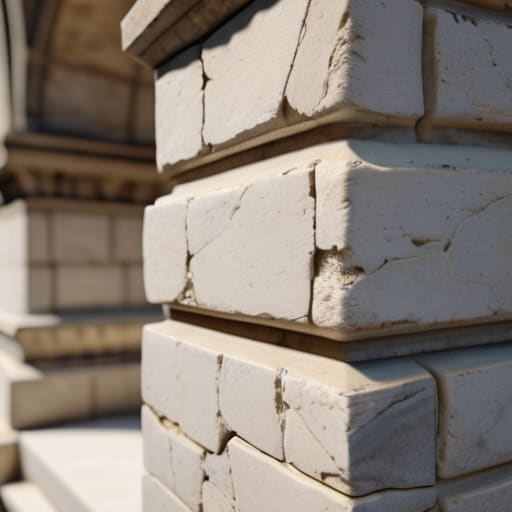
When we strip away the grand narratives of conquest and political propaganda, we are left with the physical reality of the site. We see it in the sudden shift from local limestone to expensive imported marble, a clear indicator of a budget expanded by imperial decree, and we feel it in the way the mortar composition changes when a centralized authority begins to standardize its workforce. These building programs weren’t just about aesthetics; they were massive, logistical machines that reshaped economies and forced local craftsmanship to bend to a singular, distant vision. To understand the empire, you cannot simply read the histories; you must examine the seams where the local meets the monumental.
Next time you walk through a ruin or even a weathered city street, I urge you to stop looking at the silhouette against the sky. Instead, lean in close. Look at the way a particular block was dressed or how a joint was cut to accommodate a sudden change in design. Every decision made by a long-dead architect or a stressed foreman is still there, etched into the very grain of the material. Buildings are not static objects; they are frozen conversations between power and labor. If you learn to read the stone, the buildings will eventually start telling you their secrets.