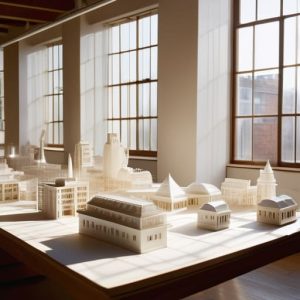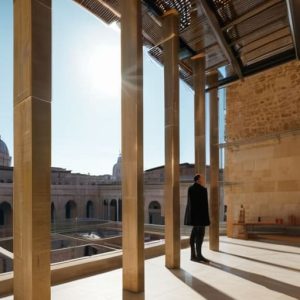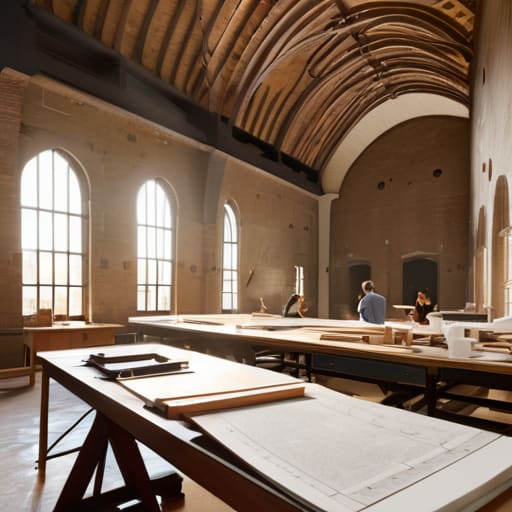
I remember sitting in a drafty studio in Bologna, my fingers stained with graphite and my eyes aching from tracing floor plans that felt more like abstract art than actual buildings. Everyone around me was obsessed with the grandeur of the silhouette, the sweeping curves, and the theoretical “genius” of the design. But I found myself staring at the corner of the desk, wondering why the professors rarely talked about the weight of the stone or the specific grit of the lime mortar required to hold a wall together. It’s a frustrating gap; most people think architectural education in italy is just about inheriting a legacy of Renaissance beauty, but they forget that beauty is nothing without the technical logic that keeps a structure standing for five hundred years.
I’m not here to sell you on the romanticized myth of the “star architect” or the glossy brochures of prestigious academies. Instead, I want to pull back the curtain on what it actually takes to learn this craft in our country. I’m going to share the unvarnished reality of how we are taught to see—not just how to draw, but how to read the bones of a building. From the rigorous technical demands to the way we bridge the gap between ancient masonry and modern conservation, this is the honest truth about building a foundation for your career.
Table of Contents
- The Living Blueprint Decoding Architectural Education in Italy
- Beyond the Sketch Learning the Language of Structural Integrity
- Reading the Stone the Architecture Curriculum in European Universities
- Mastering the Joinery Finding Top Architecture Schools in Italy
- The Pulse of Design Architectural Training Programs in Milan and Rome
- Tracing the Lineage of Craft in Italys Great Studios
- The Threshold of Entry Italian Architecture Degree Requirements
- Preparing the Foundation Studying Architecture in Italy for International S
- The Rigor of the Craft What the Admissions Process Demands
- The Weight of the Work Calculating the Cost of Architecture Studies in Ital
- Measuring the Investment Tuition and the Price of Mastery
- The True Value of a Pedagogy Built on History
- The Lasting Impression of the Craft
The Living Blueprint Decoding Architectural Education in Italy
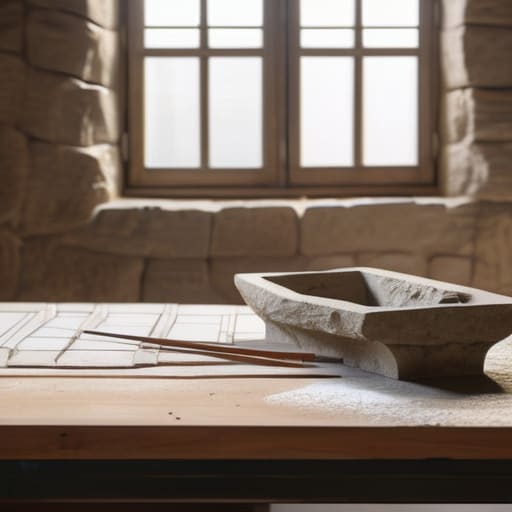
In the lecture halls of the top architecture schools in Italy, you won’t find much interest in the polished rendering or the abstract concept. Instead, the focus shifts toward the tactile. I remember my own years in the studio, where the professors would spend more time dissecting the failure of a lime-based mortar than discussing the aesthetics of a facade. This is the core of the Italian approach: you aren’t just learning to design; you are learning to deconstruct. The curriculum forces a student to reconcile the beauty of a silhouette with the brutal reality of the structural load.
For those navigating the complexities of studying architecture in Italy for international students, the transition can feel jarring. You arrive expecting the grandiosity of the Renaissance, but you find yourself instead hunched over a drafting table, obsessed with the precise geometry of a Roman arch or the way a modern steel joint meets a historic masonry wall. It is a rigorous, often exhausting way to learn, but it produces a specific kind of eye. You begin to see that a building is not a static object, but a continuous conversation between material and gravity—a conversation that every student must learn to join.
Beyond the Sketch Learning the Language of Structural Integrity
In the studio, you spend years learning the elegance of a curve or the rhythm of a facade, but the true weight of the discipline lies in the physics that keeps those lines from collapsing. Italian universities tend to push students toward a rigorous understanding of material behavior, forcing them to move past the aesthetic surface and into the uncomfortable reality of load paths and tension. It isn’t enough to know that a flying buttress looks sublime; you have to understand how the compression travels through the masonry to the foundation.
This is where the theory meets the grit of the site. I often see students struggle when they realize that a beautiful drawing is nothing if it ignores the inherent limitations of the stone or the way a specific lime mortar reacts to humidity. You aren’t just designing shapes; you are negotiating with gravity and the physical properties of the earth itself.
Reading the Stone the Architecture Curriculum in European Universities
When I look at the curricula coming out of the major European academies, I see a distinct tension between the digital abstraction of the North and the tactile, material-heavy approach we maintain here. In many German or Dutch programs, there is a heavy emphasis on the logic of the system—the efficiency of the structure and the elegance of the mathematical model. It is impressive, certainly, but it can sometimes feel detached from the gravity of the earth.
In our Italian universities, however, the pedagogy remains stubbornly anchored to the physical. We don’t just teach you how to design a load-bearing wall; we force you to sit in a dusty lab and understand the specific chemistry of lime and how it breathes over centuries. You aren’t just learning to create new forms, but to participate in a continuous, centuries-old conversation between the architect and the raw, stubborn reality of the stone.
Mastering the Joinery Finding Top Architecture Schools in Italy
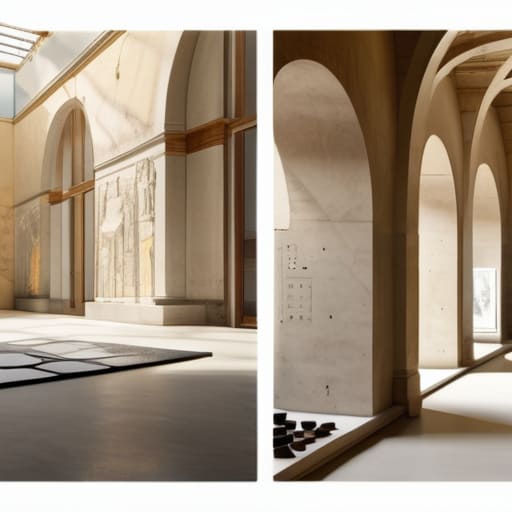
When I was looking for my own specialization, I realized that finding the right institution isn’t about ranking lists; it’s about finding a faculty that still respects the tactile reality of the craft. If you are looking for the top architecture schools in Italy, you will find a distinct split between the theoretical rigor of the north and the historical, almost archaeological, intensity of the south. In Milan, the focus often leans toward the cutting edge of urban density and material innovation, while the programs in Rome feel as though they are constantly in a silent dialogue with the ruins that surround the lecture halls.
For those navigating the Italian architecture degree requirements, the process can feel dauntingly bureaucratic, but the payoff is a fundamental shift in how you perceive space. Whether you are looking into specialized architectural training programs in Milan and Rome or exploring options in more provincial, historic universities, you aren’t just earning a diploma. You are learning to respect the tension between a new steel beam and an ancient limestone wall. It is a demanding path, but once you understand how to bridge those eras, you stop seeing buildings as static objects and start seeing them as continuous, living processes.
The Pulse of Design Architectural Training Programs in Milan and Rome
In Milan, the education feels like a constant friction between the weight of history and the relentless push of the future. You aren’t just taught to design sleek, glass-clad volumes; you are forced to reconcile them with the grit of the industrial past and the meticulous logic of the city’s urban fabric. Students here spend as much time dissecting the tectonic tension of a modern facade as they do studying the classical proportions that underpin the Lombardy landscape. It is a rigorous, almost high-fashion approach to structural thinking, where the elegance of a line is never allowed to excuse a failure in its physical execution.
Rome, however, offers a different kind of sensory overload. To study architecture here is to live in a permanent state of excavation. The training is less about the “new” and more about the dialogue between layers. You learn that a building is never a finished object, but a continuous conversation between Roman concrete, Renaissance masonry, and Baroque flourishes. There is an unspoken lesson in the way a student walks through the Forum: you learn to respect the material memory of a site before you even dare to pick up a pencil.
Tracing the Lineage of Craft in Italys Great Studios
There is a profound difference between sitting in a lecture hall in Milan and standing in the dust of a working bottega. In the great Italian studios, the education shifts from the theoretical to the tactile. You aren’t just studying the geometry of a Corinthian capital; you are watching a master practitioner explain why a certain lime ratio is necessary for a specific coastal humidity. It is here that the lineage of the craft is preserved, passed down not through digital files, but through the shared observation of how materials actually behave under pressure.
I have always felt that the most vital lessons happen when a student is forced to look past the aesthetic facade and focus on the physicality of the assembly. In these studios, you learn that an architect’s true responsibility lies in the transition points—the way a timber beam meets a stone lintel, or how a modern steel reinforcement interacts with ancient masonry. It is a rigorous, often exhausting way to learn, but it ensures that the history of the building remains a living thing.
The Threshold of Entry Italian Architecture Degree Requirements
When I look at the enrollment lists for the polytechnics, I don’t just see names; I see the gatekeepers of a very specific, demanding tradition. Navigating the Italian architecture degree requirements isn’t merely a matter of submitting a transcript and a portfolio; it is a test of one’s patience and precision. For many, the first hurdle is the TOLC-F or similar entrance examinations, which demand a rigorous grasp of mathematics and logic. It is a far cry from the purely aesthetic approach one might expect, but it makes sense: you cannot hope to understand the tension in a vaulted ceiling if you cannot first master the geometry that holds it up.
For those considering studying architecture in Italy for international students, the bureaucracy can feel as heavy as a block of Carrara marble. You aren’t just applying to a school; you are applying to a culture that views the profession as a civic duty. Beyond the language proficiency exams, which are non-negotiable if you want to understand a lecture on Roman brickwork, there is the subtle requirement of technical intuition. You must prove you have the discipline to observe, to measure, and to respect the material. It is an arduous threshold, certainly, but it ensures that those who enter are ready to listen to what the stone has to say.
Preparing the Foundation Studying Architecture in Italy for International S
For many international students, the prospect of studying here feels like stepping into a living museum, but the reality is far more tactile than a gallery visit. You aren’t just enrolling in a course; you are attempting to find your footing within a tradition that views a building as a continuous dialogue between past and present. The bureaucracy of the immatricolazione process can feel cold and rigid, a sharp contrast to the warmth of the stone streets you’ll soon be walking, but it is the necessary groundwork. You must approach the administrative hurdles with the same patience I use when cleaning lime scale from a Roman frieze—meticulous, steady, and prepared for the layers you’ll have to peel back.
Success here requires more than just a high GPA; it demands a certain sensory readiness. You need to be prepared to move from the theoretical abstraction of a digital model to the grit of a construction site where the smell of wet mortar is more instructive than any textbook. It is about learning to translate your existing knowledge into the specific, nuanced vernacular of Italian construction.
The Rigor of the Craft What the Admissions Process Demands
It isn’t just about whether you can draw a straight line or if your portfolio looks “aesthetic” in a digital sense. When I look at the entrance requirements for the major Italian polytechnics, I see a demand for something much more tactile: a fundamental understanding of how space and material interact. They aren’t looking for decorators; they are looking for students who can grasp the logic of construction before they even touch a CAD program. You have to demonstrate a spatial intelligence that suggests you understand how weight travels through a beam or how a wall meets a foundation.
The entrance exams, particularly the TOLC-I or the specific assessments at places like Politecnico di Milano, are designed to strip away the fluff. They test your ability to think structurally and mathematically, forcing you to prove that your creativity is anchored in reality. It is a grueling filter, but it serves a purpose. You cannot respect the history of a building if you don’t first respect the rigorous discipline required to bring it into existence.
The Weight of the Work Calculating the Cost of Architecture Studies in Ital

When I was a student, the cost of my education was measured as much in the weight of my drafting books as in the lire I spent on materials. Today, calculating the cost of architecture studies in Italy is a more complex geometry. For those attending public universities, the fees are often tied to a family’s ISEE—an income indicator that keeps the entry point relatively accessible compared to the private academies in London or New York. However, one cannot simply look at the tuition alone. There is a hidden tax on the soul of a student: the endless cycle of buying high-quality vellum, specialized ink, and the physical models that eventually end up in a studio corner.
For those looking into studying architecture in Italy for international students, the financial landscape shifts slightly. While the tuition might remain manageable at state institutions, the logistical overhead—the housing in dense cities like Milan or the cost of living in Rome—adds layers to the budget that a simple spreadsheet often misses. You aren’t just paying for a seat in a lecture hall; you are investing in the tools of a trade. Whether you are navigating the rigorous Italian architecture degree requirements or simply trying to afford the scale models required for a mid-term critique, the real cost is the commitment to a lifestyle of constant, tactile creation.
Measuring the Investment Tuition and the Price of Mastery
When I first started my studies, the conversation around cost was often centered on the sheer volume of expensive drafting supplies and the heavy, linen-bound volumes we were expected to own. Today, the landscape is more nuanced. In Italy, the distinction between a public university and a private academy isn’t just a matter of prestige; it is a fundamental shift in how you fund your education. Public institutions offer a path that is remarkably accessible, where tuition is often tied to your family’s ISEE—an economic indicator that scales fees based on financial need. It is a system designed to ensure that talent isn’t sidelined by a lack of capital, though you must be prepared for the bureaucratic rigor that comes with it.
However, if you find yourself drawn to the private design institutes in Milan, the numbers shift dramatically. These schools often operate more like professional studios, offering specialized, high-touch mentorship that comes at a premium. You aren’t just paying for lectures; you are paying for the proximity to industry leaders and the specific, technical tools required for modern digital modeling. It is a significant upfront investment in your professional network, one that requires a very careful calculation of long-term value versus immediate debt.
The True Value of a Pedagogy Built on History
There is a specific kind of arrogance in modern design that assumes we can simply bypass the lessons of the past with enough software and steel. But in the Italian classroom, you quickly learn that history isn’t just a series of dates to be memorized for an exam; it is a physical manual. When a student stands before a crumbling Romanesque arch, they aren’t just looking at an aesthetic relic. They are learning how gravity was negotiated through the specific weight of local limestone and the precise tension of a lime-based mortar. This pedagogy forces you to realize that every structural solution was once a hard-won victory over the limitations of material and site.
This deep immersion changes how you approach a blank page. You stop thinking in terms of isolated objects and start thinking in terms of continuity. You begin to understand that a new building doesn’t exist in a vacuum, but rather as a new sentence in a conversation that has been ongoing for two millennia. To study here is to accept that the soul of a structure lies in its technical honesty—the way a joint meets or a foundation settles—rather than just its silhouette.
The Lasting Impression of the Craft
Navigating the path toward an Italian architectural degree is far more than a mere academic checklist; it is a commitment to understanding the very bones of our built environment. We have traced the journey from the rigorous admissions processes and the logistical realities of tuition, through to the specific pedagogical strengths found in the studios of Milan, Rome, and beyond. Whether you are an international student preparing for the technical demands of the curriculum or a local scholar seeking to master the nuances of structural integrity, you are essentially learning to read the silent language of the city. It is a process that requires both mathematical precision and a deep, almost tactile respect for the materials that endure.
Ultimately, studying architecture in Italy is not about learning how to draw beautiful facades, but about learning how to listen to the stone. When you finally step out of the classroom and into a centuries-old piazza, I hope you don’t just see a monument; I hope you see the specific way a joint was cut or the way a particular mortar was mixed to withstand the salt air. Architecture is a conversation between the person who designed it and the person who maintains it. If you approach your education with that level of curiosity and reverence, you won’t just be building structures—you will be stewarding history.