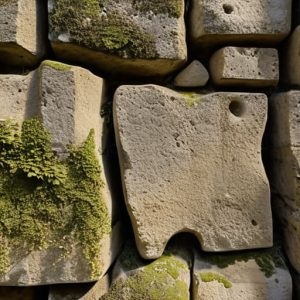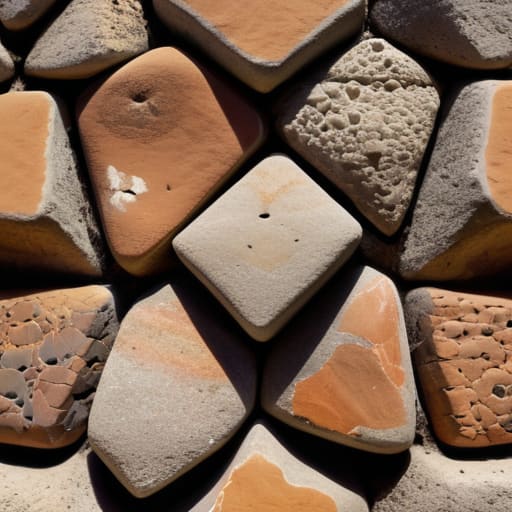
I was kneeling in the damp dust of a villa near Ostia last Tuesday, my knees aching in that familiar way, when I realized I had spent twenty minutes photographing nothing but a single, misplaced corner of a tuff block. Most people walk past these ruins and see a pretty, repetitive pattern, but they miss the truth of it. They treat opus reticulatum and wall techniques like some abstract geometric art piece rather than what they actually are: a series of frantic, calculated decisions made by men with sore hands and tight deadlines. To understand these walls, you have to stop looking at the symmetry and start looking at the seams.
I am not here to give you a dry lecture from a textbook or a sanitized history of Roman engineering. Instead, I want to show you how to read the intent behind the stone. We are going to look past the aesthetic surface to examine how the mortar binds the narrative together and why certain joints tell us more about the Roman economy than any written scroll ever could. This is about the real story hidden in the grit and the geometry.
Table of Contents
Reading the Diamond Shaped Stone Masonry
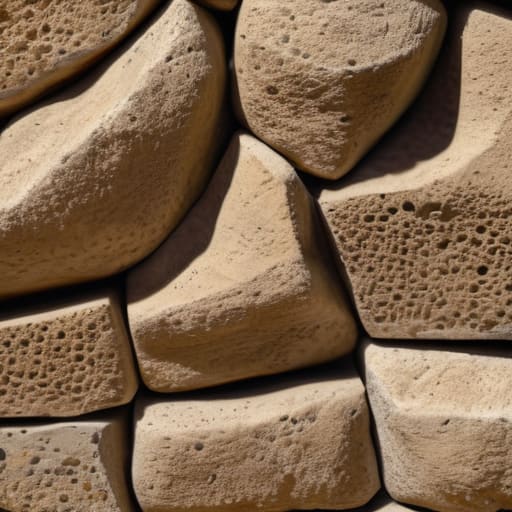
When I stand before a wall of opus reticulatum, I don’t see a pattern; I see a rhythm of labor. You have to look past the aesthetic symmetry to see the actual mechanics of the diamond-shaped stone masonry. These small, pyramidal blocks of tufa weren’t just slapped onto a surface. Each one was hand-cut, a precise little wedge designed to be driven deep into the wet core of the wall. If you look closely at the edges where the stones meet, you can see the slight irregularities—the places where the mason had to adjust a block because the Roman concrete core construction was slightly uneven that day.
There is a specific tension in these walls that you don’t find in the more chaotic opus incertum. While the earlier method relied on irregular, almost accidental placement, the reticulatum represents a shift toward a disciplined, repeatable system. It’s the moment where ancient Roman wall architecture moved from mere survival to a kind of industrial elegance. I often find myself tracing the lines where the tuff meets the mortar, looking for that specific point where the stone’s point disappears into the lime. It’s there, in that hidden interface, that the structural integrity truly lives.
Where Precision Meets the Mortar Joint
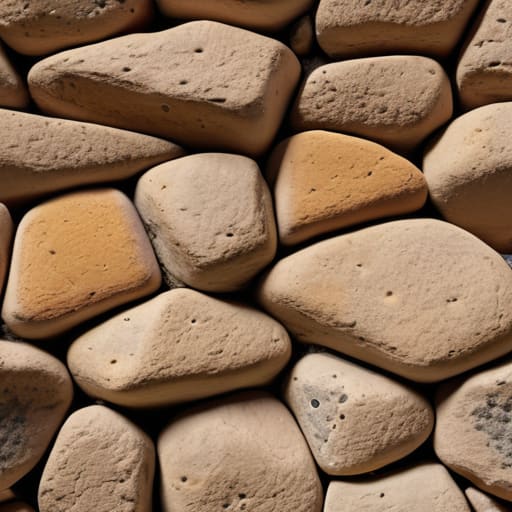
It is easy to get lost in the geometry of the stones themselves, but the real dialogue happens in the gaps. If you lean in close—closer than a tourist ever would—you’ll see that the mortar isn’t just a filler; it is the connective tissue that allowed these structures to endure for millennia. In many of the sites I’ve surveyed, the transition from the chaotic, irregular stones of opus incertum vs opus reticulatum reveals a sudden, deliberate shift toward order. You can see the moment the builders moved from a purely functional, rapid-fire approach to one where the aesthetic of the grid became a priority.
When examining the Roman concrete core construction, I am always looking for how the facing stones interact with that heavy, central mass. The tufa stone facing patterns aren’t just decorative skins; they are carefully integrated into the structural whole. I often find myself photographing the way the lime mortar has weathered away in certain joints, exposing the sharp edges of the pyramid-shaped blocks. It’s in these microscopic discrepancies—a slightly thicker bed of mortar here, a tighter squeeze there—that you witness the hand of the mason, balancing the rigid requirements of the geometry against the stubborn reality of the material.
The Ghost in the Stone
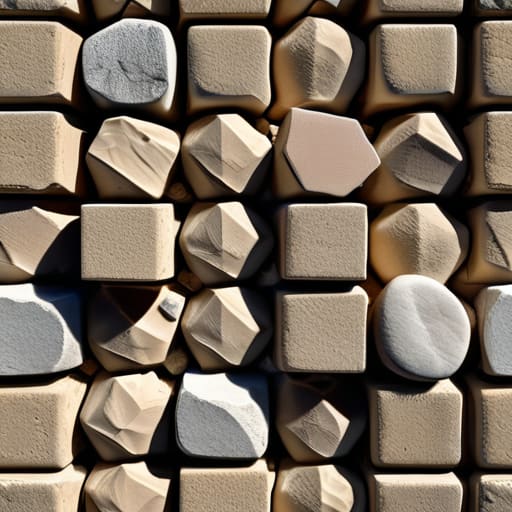
When we look back at these walls, we shouldn’t just see a decorative pattern or a relic of Roman engineering. We have to see the interplay of forces—the way the tuff cubes were wedged into the core, the precise rhythm of the mortar beds, and the structural logic that allowed these grids to stand for two millennia. It isn’t just about the geometry of the diamond shapes; it is about the deliberate marriage of small, manageable units into a monolithic whole. To understand opus reticulatum is to understand that stability isn’t found in a single massive block, but in the countless, tiny decisions made by every mason who laid a single stone.
Next time you are walking through a site—whether it is a grand villa or a crumbling ruin in a dusty corner of the countryside—I urge you to stop looking at the silhouette. Instead, lean in close. Look for the tool marks, the slight variations in the joint width, and the way the light catches the texture of the mortar. If you do, you will realize that these buildings are not silent; they are constantly speaking to us through their construction. We are not just observers of history; we are the witnesses to the labor and the quiet, ingenious intelligence of the hands that built our world.