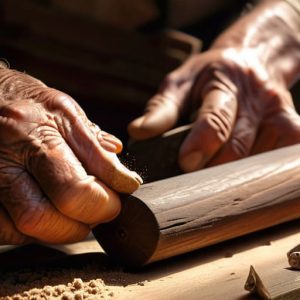
I was in a dusty workshop near Syracuse last autumn, watching a man attempt to patch a limestone lintel with a modern, pre-mixed polymer mortar. He was checking his phone every five minutes, more concerned with the digital clock than the porosity of the stone. It’s a frustrating dance we perform: we search for prestige or high-end agency referrals, yet we completely overlook the actual evidence of mastery. Most people approach finding skilled craftspeople as if they are hiring a service provider, when in reality, they should be looking for a translator—someone who can read the language of the material itself.
I’m not here to give you a list of glossy contractors or expensive consultants. Instead, I want to teach you how to look for the unspoken signatures of a true maker. We are going to discuss how to spot the difference between a laborer who merely follows instructions and a craftsman who understands the soul of the joint. By the end of this, you won’t just be hiring hands; you will be identifying the decisive intelligence required to ensure a building survives for another century.
Table of Contents
Deciphering the Language of Expert Restoration Services
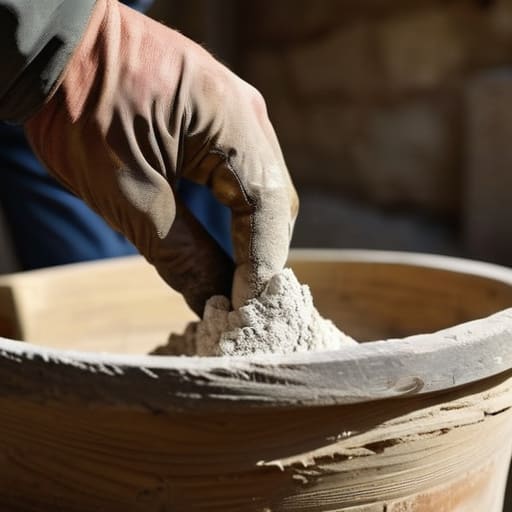
When I walk onto a site where a facade is being stabilized, I don’t look at the scaffolding first; I look at the way the lime mortar is being mixed. You can tell immediately if you are dealing with expert restoration services or a crew that is merely following a checklist. A true specialist understands that the chemistry of the binder must respect the porosity of the original stone. If they are using a modern, cement-heavy mix on a nineteenth-century limestone block, they aren’t restoring it—they are suffocating it. You have to listen for the difference between a team that understands the breathability of historical materials and one that is simply trying to patch a hole as quickly as possible.
The difficulty lies in the fact that this level of intuition isn’t something you can find in a standard job posting. We are currently facing a significant vocational training gap that makes the search for genuine mastery feel almost like an archaeological dig itself. It isn’t just about hiring labor; it is about identifying the lineage of a skill. I often find myself looking for the subtle signs of a master craftsman apprenticeship—the way a chisel is held to prevent micro-fractures, or the specific angle of a stone’s dressing. You aren’t just looking for workers; you are looking for keepers of a technical memory that is slowly fading.
Where the Soul of the Work Resides
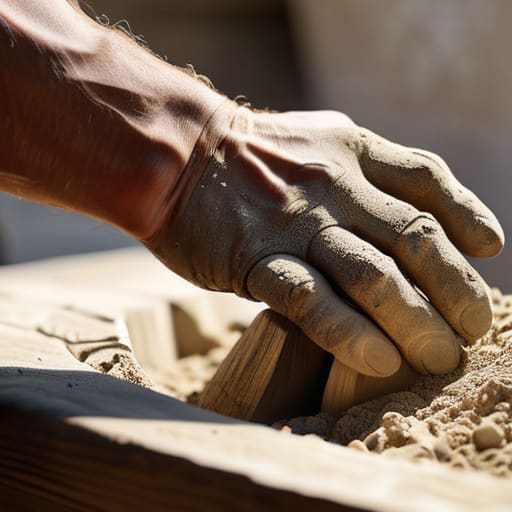
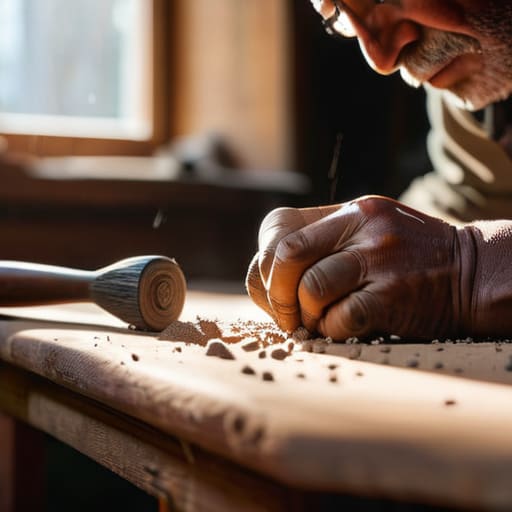
I often find myself tracing the edge of a limestone block, feeling for the slight, rhythmic indentation of a chisel. It is in these micro-textures—the way a tool meets the stone—that you realize a project is being handled by someone who understands the material’s soul. When I walk onto a site, I don’t look at the scaffolding first; I look at the way the mortar is being mixed. If it’s too uniform, too “perfectly” industrial, my heart sinks. Real heritage craft preservation requires an understanding of the slow, imperfect chemistry of lime and sand, a knowledge that cannot be downloaded or mass-produced.
The tragedy I see most often in my surveys from Ravenna down to Sicily is the widening vocational training gap. We are losing the tactile intelligence that only comes from years of physical repetition. It isn’t enough to hire someone who can read a blueprint; you need someone who can read the stone itself. This is why I am so obsessed with the master craftsman apprenticeship model. We cannot rely on automated solutions to fix what was built by hand; we need people who understand that a building is a living organism, one that requires a specific, almost intuitive touch to keep it breathing.
The Weight of the Decision
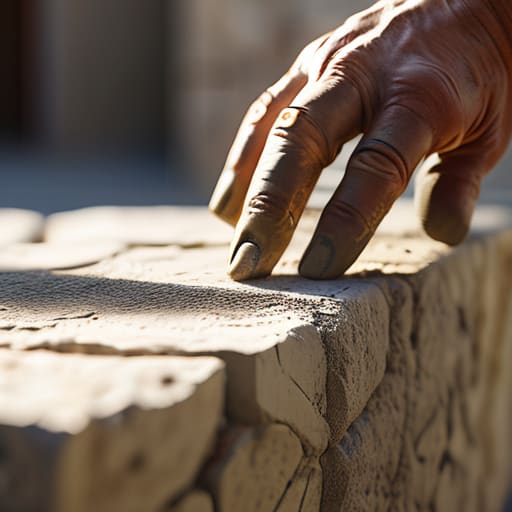
Ultimately, finding the right hands for a project isn’t about comparing line items on a spreadsheet or choosing the most polished portfolio. It is about learning to read the physical evidence left behind in the stone and the lime. You must look for the technician who understands that a repair is not a mask, but a continuation of a dialogue. Whether you are investigating the precision of a stone joint or the consistency of a lime mortar mix, remember that the true measure of skill lies in the unseen details—the parts of the work that no one will see once the scaffolding comes down, but which dictate whether a building stands for another century or begins its slow decay today.
When you finally sit across from a master, don’t just ask about their timeline; ask them how they intend to respect the original maker’s intent. There is a profound, quiet dignity in work that seeks to honor the past rather than overwrite it. We are merely temporary stewards of these structures, passing them from one era to the next. By choosing craftspeople who possess both technical rigor and a deep, intuitive respect for material, you aren’t just completing a renovation—you are ensuring that the story of the building continues to be told, one perfectly seated stone at a time.