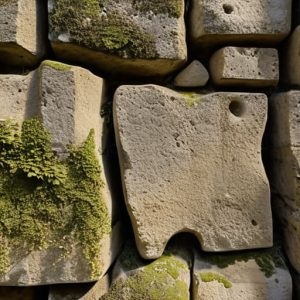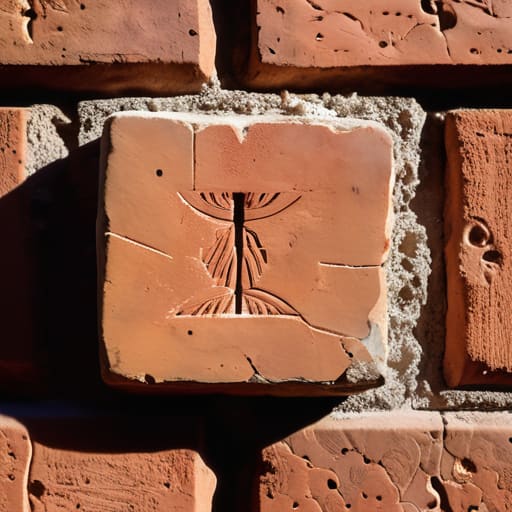
I was kneeling in the damp dust of a basement in Ravenna last autumn, my flashlight beam cutting through decades of grime, when I found it—a faint, rhythmic indentation in a single, sun-baked course of masonry. Most people walk past these walls and see nothing but decaying red clay, but to me, that tiny, pressed symbol was a loud, clear voice. We often get lost in the high-priced abstractions of radiocarbon dating or expensive laser scans, forgetting that the most honest evidence of a structure’s lineage is often right under our fingertips. When you understand the language of brick stamps and dating buildings, you stop looking at walls as static objects and start seeing them as living documents left behind by specific workshops and local masters.
I am not here to give you a lecture on theoretical archaeology or to sell you on overly complex academic jargon. Instead, I want to show you how to read the clay with your own eyes. I will share what I have learned from twenty years of getting my hands dirty, moving from the heavy Roman styles down to the regional vernacular, so you can begin to recognize the human decisions etched into the very fabric of the walls.
Table of Contents
Tracing the Lineage of Brickmaker Marks and History
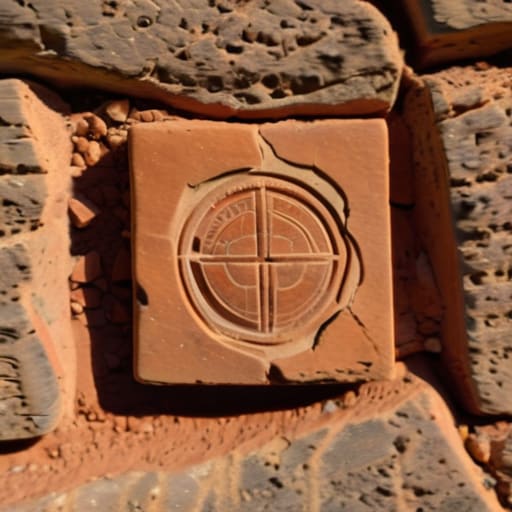
When I am kneeling in the dust of a site in the Po Valley, I am rarely looking at the grand arches or the decorative cornices first. My eyes go straight to the individual units. To understand the historical building chronology of a structure, you have to treat every brick as a witness. These marks aren’t just random scratches; they are part of a complex brick stamp typology that allows us to map the movement of industry across the peninsula. A specific family’s mark might appear in a courtyard in Ferrara and then, decades later, show up in a fortification near Ravenna, revealing the shifting economic tides of the time.
Tracing these lineages requires a certain patience—the kind you only develop after years of staring at sun-baked clay. By conducting a thorough architectural masonry analysis, we can see how certain workshops monopolized specific regions or how a sudden change in the depth of a stamp signifies a shift from artisanal production to more standardized, industrial methods. It is more than just dating; it is about recognizing the evolution of craftsmanship. When a mark changes shape or becomes more rudimentary, you aren’t just seeing a change in design, you are seeing the moment a local kiln’s influence began to wane or expand.
Decoding the Silent Language of Brick Stamp Typology
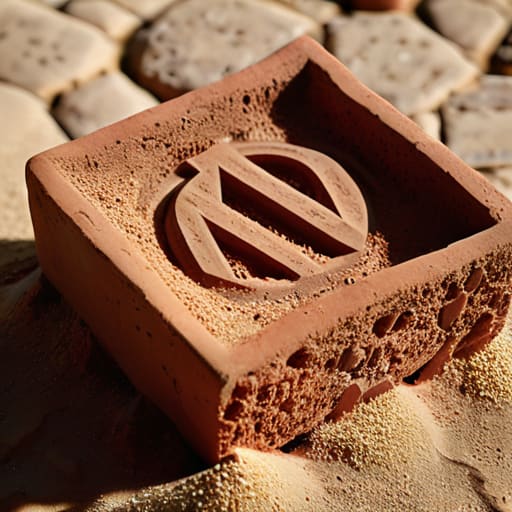
When I’m kneeling in the dust of a site in the Po Valley or tracing a crumbling wall in Sicily, I don’t just see a generic red block. I see a system of classification. To the untrained eye, a stamp is just a smudge of ink or a faded indentation, but through the lens of brick stamp typology, these marks function as a sophisticated shorthand. They aren’t random; they follow a logic of production. You might find a family crest in one era, a simple geometric monogram in the next, and eventually, the more standardized, industrial lettering that signals the shift toward mass production.
Understanding these shifts is essential for any serious architectural masonry analysis. It isn’t enough to say a wall is “old.” You have to look at the morphology of the stamp itself—is it deeply impressed, suggesting a hand-molded process, or is the strike shallow and uniform, pointing toward a mechanical press? By categorizing these variations, we begin to map out a historical building chronology that tells us when a specific kiln was active or when a local guild lost its monopoly to a larger manufacturer. It turns a pile of rubble into a readable timeline of human industry.
The Marks That Remain
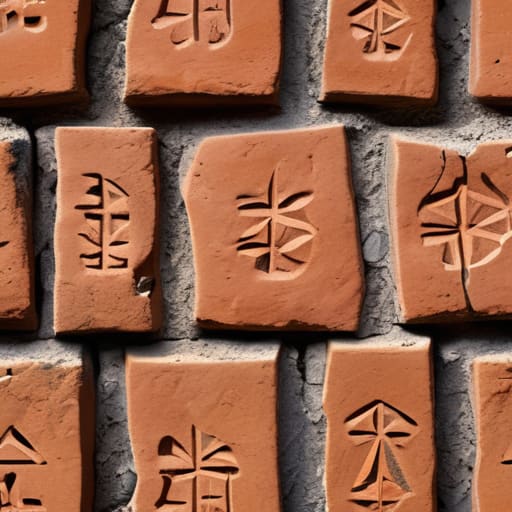
When we strip away the plaster and the decorative facades, we are left with the raw, honest reality of the material itself. We have seen how a simple stamp—a family name, a kiln number, or a regional symbol—can act as a temporal anchor, allowing us to pin a structure to a specific decade or even a specific workshop. By understanding these typologies, we move beyond guesswork and begin to see the systemic logic of the construction process. It isn’t just about assigning a date to a wall; it is about recognizing the economic and social networks that dictated which clay was fired, which molds were used, and which hands were responsible for the very bones of our cities.
The next time you find yourself walking through an old courtyard or tracing the line of a crumbling garden wall, I urge you to look closer. Don’t just admire the shadow cast by the arch or the color of the masonry; look for that small, indented impression in the clay. In those tiny, weathered grooves, you aren’t just looking at a manufacturing mark—you are witnessing a silent dialogue between the mason and the future. These stamps are the fingerprints of history, proving that every stone and every brick was once a conscious choice made by someone standing exactly where you are standing now.