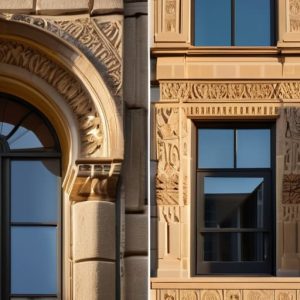
I was standing in a courtyard in Syracuse last spring, watching a technician apply a synthetic resin to a limestone block that had survived two millennia of salt spray, only to be “protected” by a modern chemical coating. It felt like a betrayal. We often talk about unesco sites and management as if they are matters of high-level diplomacy and glossy, multi-million euro strategic frameworks, but the reality is much more visceral and messy. When we treat these sites like museum pieces under glass rather than living, breathing masonry, we aren’t actually conserving them; we are merely managing their slow decay through bureaucracy.
I have no interest in reciting the sanitized versions of conservation theory found in official white papers. Instead, I want to talk about what actually happens when the scaffolding goes up and the heavy decisions are made. I promise to peel back the layers of administrative jargon to show you how the physical integrity of a site is often at odds with its official designation. We will look past the prestige of the label to examine the real, gritty intersection of heritage, policy, and the stone itself.
Table of Contents
Reading the Decisions Behind Protected Stones
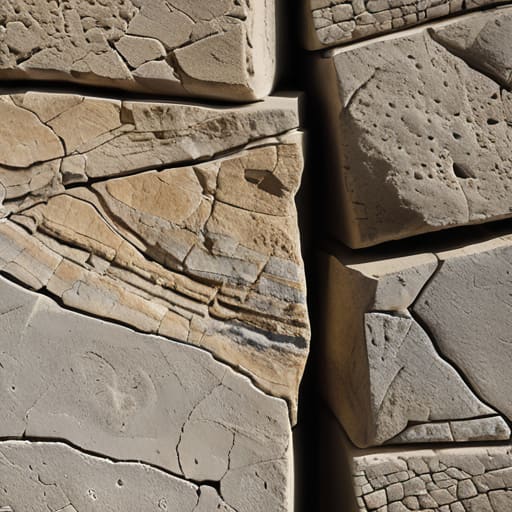
When I stand before a site under international protection, I don’t look at the plaques or the velvet ropes first. I look at the seams. To me, unesco site integrity and authenticity aren’t abstract bureaucratic concepts; they are visible in the way a limestone block meets its neighbor. If a restoration has used a modern, Portland-based cement where a soft, lime-based mortar should have been, the building is essentially suffocating. You can see the tension in the stone. The “decision” here isn’t just about aesthetics; it’s a choice between honoring the original mason’s breath or forcing a rigid, modern permanence that actually accelerates decay.
This is where the tension of heritage site management plans becomes tangible. It’s easy to write a document about preservation, but much harder to implement it when you are balancing the physical needs of the stone against the sheer weight of human presence. I’ve seen sites where the sheer volume of footsteps has polished away the very tool marks I spent years trying to document. Managing these sites requires more than just a checklist; it requires an understanding of how sustainable tourism in heritage sites can either act as a protective shield or a slow, grinding sandpaper against the very history we claim to value.
Where Policy Meets the Physical Fabric
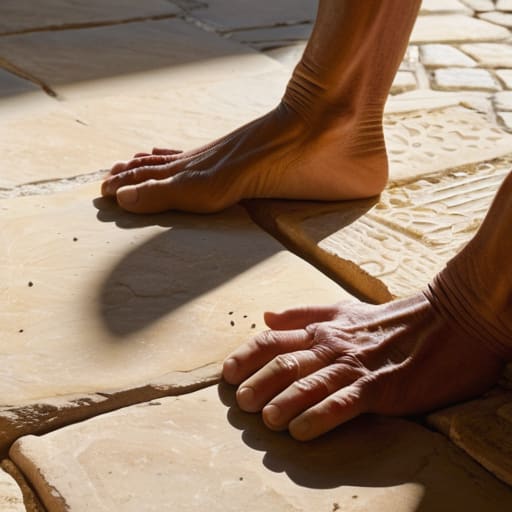
The tension between a high-level management plan and the actual stone under my fingernails is where the real work happens. On paper, a heritage site management plan is a clean, logical document—a series of bullet points and strategic goals. But when I am standing in a courtyard in Sicily, I don’t see the policy; I see the way the foot traffic is eroding the limestone thresholds. You cannot manage a site from a boardroom in Paris; you have to understand how the physical fabric reacts to the very people the policy is meant to protect.
This is the delicate friction of managing heritage site threats while trying to maintain the soul of a place. We talk about unesco site integrity and authenticity as if they are static checkboxes, but they are living, breathing variables. If we allow a restoration to use a modern lime mortar that is too hard, we might save the wall’s appearance, but we have effectively killed its ability to breathe, violating the very essence of what we are meant to preserve. It is a constant, quiet negotiation between the dictates of international law and the stubborn, material reality of the masonry.
Beyond the Paperwork
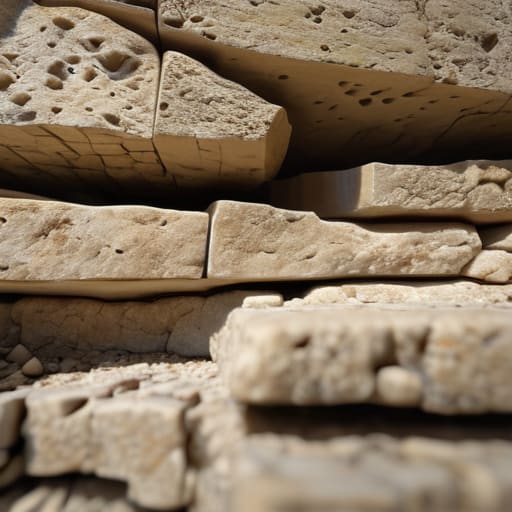
Ultimately, managing a UNESCO site is a constant negotiation between the lofty, abstract language of international mandates and the stubborn, physical reality of the stone itself. We have seen that while policy provides the necessary framework, it is the granular attention to how a specific lime mortar reacts to humidity, or how a joint was originally dressed, that truly dictates the success of a conservation plan. If we focus only on the high-level management strategies and ignore the material truth of the fabric, we risk preserving a hollow shell rather than the living history that the designation was meant to protect.
As I walk through these protected spaces, I am always reminded that a site is never truly finished; it is merely in a state of continuous dialogue with those who care for it. We must learn to listen to that dialogue, not just through the reports filed in distant offices, but through the tactile evidence left by the hands of long-dead masons. When we bridge the gap between bureaucratic oversight and the intimate details of construction, we ensure that these buildings do more than just survive—they continue to tell their stories to anyone willing to look closely enough.