
I was standing in a damp basement in Palermo last autumn, my flashlight tracing the edge of a sixteenth-century limestone plinth, when the site supervisor started grumbling about the “red tape” of heritage protection law. To him, the regulations were just a series of expensive, bureaucratic hurdles designed to stop him from finishing a job on time. But as I looked at the way the mason had feathered the lime mortar into the joint—a tiny, deliberate decision made four hundred years ago—I felt that familiar flash of irritation. Most people treat these laws like a cage, but they fail to see that the law is supposed to be a shield for the details that actually make a building breathe.
I am not here to lecture you on the dry, dusty statutes found in a government gazette. Instead, I want to talk about what these rules actually mean when you are standing in the dust of a construction site, trying to respect the logic of the original builders. I promise to strip away the legal jargon and show you how to navigate these requirements without losing the soul of the structure. We are going to look at how to satisfy the inspectors while ensuring that the true craftsmanship of the past isn’t paved over by modern convenience.
Table of Contents
The Weight of National Monument Protection Acts

When I walk through the streets of Ravenna or the winding alleys of Palermo, I don’t just see the sunlight hitting a facade; I see the invisible, heavy hand of the state. In Italy, the national monument protection acts are more than just dusty volumes in a legal library; they are the rigid, often frustrating scaffolding that dictates exactly how much of a stone can be replaced before a restoration becomes an “alteration.” For a conservation architect, these laws feel like a constant dialogue between the desire to fix a structural decay and the legal mandate to leave the decay exactly as it was found.
The difficulty lies in the fact that compliance with heritage conservation laws often prioritizes the visual “truth” of a monument over its physical stability. I have stood before a crumbling lintel, knowing exactly which lime mortar mix would save it, only to be held back by a legal framework that demands we treat the building as a static museum piece rather than a living, breathing organism. These historic building conservation regulations are designed to prevent the erasure of history, but sometimes, they risk freezing a building in its moment of most profound failure. We aren’t just fighting gravity; we are navigating a complex web of bureaucracy that treats every chisel mark as a sacred relic.
Tracing the Intent Behind the Stone
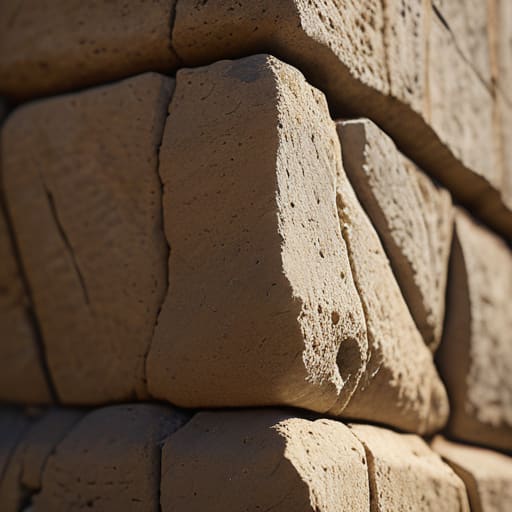
When I am on a site, my eyes rarely drift to the grand arches or the sweeping cornices that the tourists photograph. Instead, I find myself tracing the specific, jagged way a chisel bit into a block of limestone in the twelfth century. This is where the architectural heritage legal framework becomes more than just a stack of bureaucratic papers in Rome; it becomes a tool for recognizing human agency. If the law only protects the silhouette of a building, it fails. We must protect the decision-making process—the way a mason chose to compensate for a slight subsidence by thickening a base, or how a local workshop used a specific lime-to-sand ratio because that was all the earth provided.
To truly respect historic building conservation regulations, we have to move beyond the idea of “preserving a look.” A facade can be faked with modern resins and clever molding, but you cannot fake the structural logic of an ancient wall. My work is often a struggle to convince planners that the intent behind the stone—the way the weight is distributed through a specific joinery—is just as much a part of our legacy as the color of the marble. When we follow the letter of the law but ignore the craft, we aren’t conserving history; we are merely building very expensive stage sets.
Beyond the Statute Books
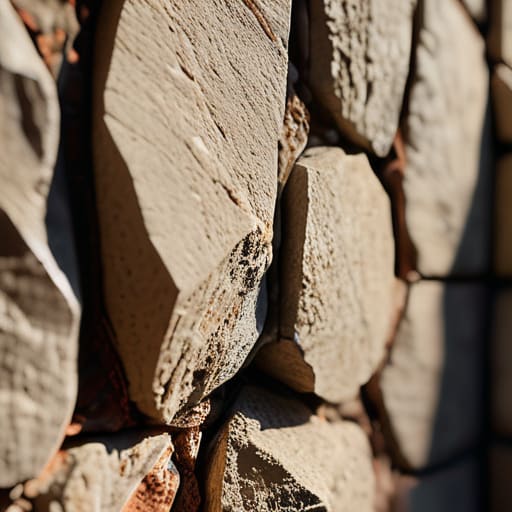
We have spent this time looking at how the law attempts to codify the soul of a structure, moving from the heavy-handed mandates of national protection acts to the more nuanced, often overlooked details of how we interpret intent. Whether we are debating the preservation of a grand Roman basilica or the humble, local vernacular of a Sicilian farmhouse, the legal framework serves as a skeleton. But a skeleton is not a building. If our laws only focus on the visible silhouette and ignore the way a mason feathered his mortar or how a joint was notched to allow for seasonal movement, then we are merely preserving shells. True protection must bridge the gap between the high-level decree and the physical reality of the craftsmanship that keeps a wall standing.
Ultimately, heritage law shouldn’t be viewed as a set of handcuffs that prevents change, but as a way to honor the continuity of human decision-making. When I stand before a centuries-old lintel, I don’t see a legal designation; I see a conversation between a worker and his material. Our job—as architects, as citizens, and as stewards—is to ensure that these conversations aren’t silenced by a single, misguided renovation. We must fight for a standard of conservation that values the integrity of the process as much as the beauty of the result. Because when we protect the way a thing was made, we are actually protecting the human story written in stone.