I was standing in a damp basement in Palermo last November, staring at a section of sixteenth-century limestone that had been “stabilized” by some well-meaning technician using a modern, non-breathable epoxy resin. It was a disaster. The stone wasn’t breathing anymore; it was suffocating under a plastic tomb. This is the great lie we often tell ourselves in this field: that we can fix things permanently. In reality, the most dangerous thing we can do is forget that reversibility in conservation isn’t just a theoretical term from a textbook—it is a moral obligation to the stone. When we use materials that bond too aggressively or penetrate too deeply, we aren’t saving the building; we are erasing its future.
I’m not here to give you a lecture on international charters or academic jargon that sounds good in a seminar but fails in the field. Instead, I want to talk about the actual physics of the joint and the chemistry of the lime. I will show you how to choose interventions that respect the original handiwork, ensuring that any patch you apply today can be undone tomorrow without scarring the history beneath it.
Table of Contents
Leaving a Path Back for Future Hands
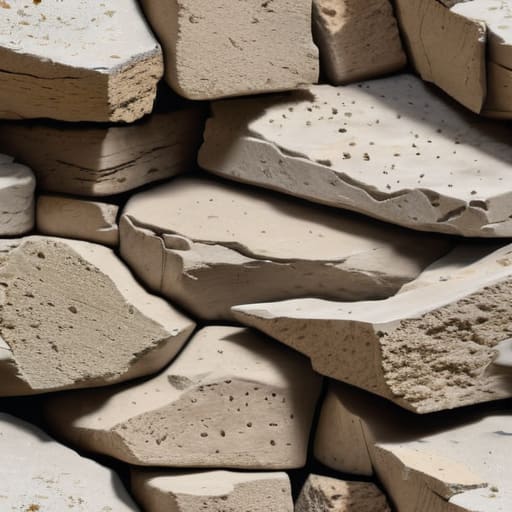
When I’m standing on a scaffold in a damp crypt or a sun-bleached Sicilian courtyard, I often find myself staring at a previous “fix” from the 1950s. Usually, it’s a cementitious grout that has become a tomb for the original limestone. Because cement is harder and less breathable than the stone it was meant to save, it forces moisture to migrate elsewhere, often blowing the face off the very masonry we were trying to protect. This is the failure of ignoring material compatibility in conservation; when you force two substances together that don’t “breathe” at the same rate, you aren’t preserving history, you are accelerating its decay.
To avoid this, I try to approach every crack and fissure with a sense of humility. We have to embrace the minimal intervention principle, doing only what is strictly necessary to stabilize the structure. If I use a lime-based mortar to repoint a joint, I choose one that is intentionally slightly weaker than the surrounding stone. It sounds counterintuitive, but it ensures that if the building shifts or the mortar fails, the repair fails first, leaving the ancient stone untouched. We aren’t just fixing walls; we are setting the stage for the next architect who will stand where we are standing, hopefully with better tools and a more careful hand.
Why Every Intervention Must Be Undoable
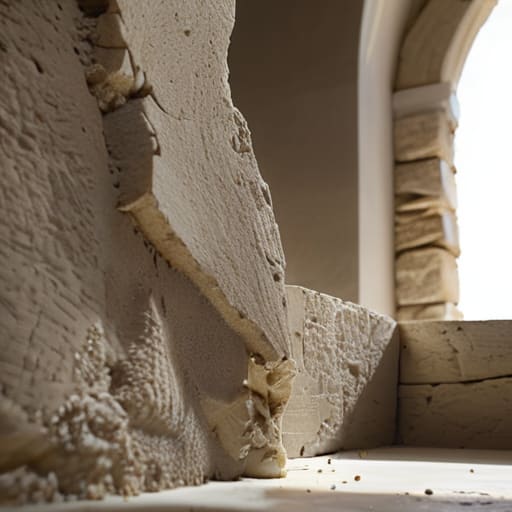
I remember standing in a small, sun-bleached chapel near Syracuse, staring at a patch of 19th-century cement that had been used to “fix” a crumbling limestone arch. It was a disaster. Because the cement was harder and less porous than the original stone, it didn’t just sit there; it fought the building. The moisture had nowhere to go, so it pushed through the ancient stone instead, causing the original material to powder and flake away. This is the physical cost of ignoring material compatibility in conservation. When we use something too aggressive or too permanent, we aren’t saving the structure; we are essentially suffocating it.
The real danger lies in the arrogance of thinking we have the final word. We work with the assumption that our tools and our chemistry are the peak of understanding, but history proves us wrong every single decade. By following the minimal intervention principle, we acknowledge our own limitations. If I use a lime-based mortar that is slightly softer than the surrounding masonry, I am making a choice that allows the building to breathe. More importantly, I am ensuring that if a better, more sophisticated method is invented in fifty years, a future architect can come in and remove my work without destroying the very soul of the wall.
The Weight of Our Decisions
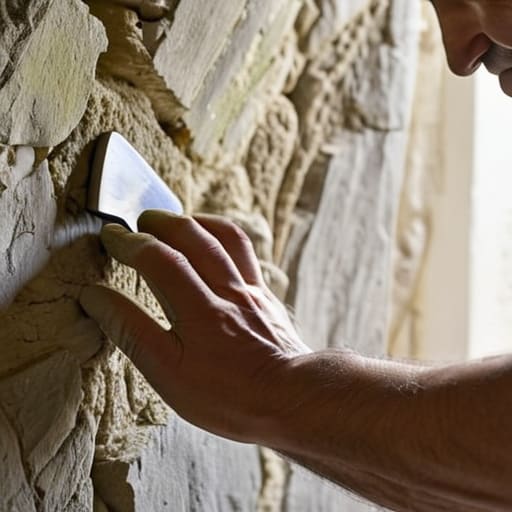
At the end of the day, conservation isn’t about making a building look “new” or even “perfect”; it is about managing the tension between what is dying and what we are adding to keep it alive. We have discussed why we choose lime over cement, why we favor mechanical fixings over permanent resins, and why every single choice we make must be able to be undone. If we act with arrogance and seal a stone wall with an irreversible epoxy, we aren’t saving history—we are strangling it. Our job is to provide stability without stripping away the ability of the next generation of architects to correct our own inevitable mistakes.
I often find myself standing in a quiet courtyard in Palermo, tracing the lines where a medieval block meets a nineteenth-century repair, and I am reminded that we are merely temporary custodians. We are just one chapter in a very long, very complex book of masonry and mortar. When you approach a site, don’t just look at the grand facade; look at the joints and the subtle seams. Approach your work with a sense of humility, knowing that the greatest gift you can leave a building is the freedom to change. We don’t build for ourselves; we build so that the story can continue long after we are gone.