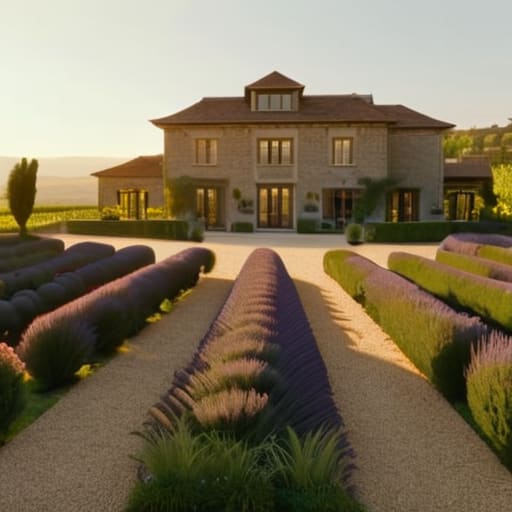
I was kneeling in the damp dirt outside a small estate near Arezzo last autumn, my hands stained with the grey dust of crumbling lime mortar, when I realized how much we get wrong about these places. Most people look at villas in the countryside and see a romanticized postcard—a seamless blend of luxury and landscape that looks as if it simply sprouted from the earth. But when you get close enough to touch the stone, you realize the “romance” is often just a thin veneer of expensive stucco hiding a structural nightmare of settling foundations and poorly executed modern repairs.
I am not here to sell you on a dream of effortless elegance or to curate a list of overpriced retreats. Instead, I want to show you how to actually read these buildings. I will guide you through the technical realities of what makes a villa truly enduring, from the integrity of the original masonry to the way the roofline interacts with the local climate. We are going to look past the manicured gardens and focus on the bones of the architecture, because a house that is built well is a house that actually belongs to its land.
Table of Contents
The Weight of Traditional Rustic Architecture
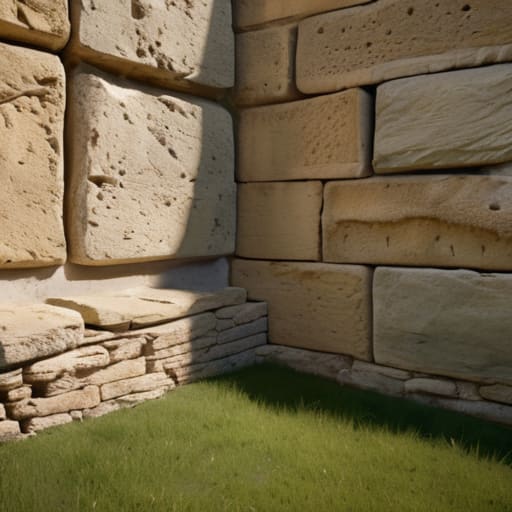
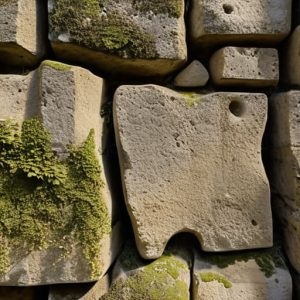
When I walk through these older structures, I am rarely looking at the view through the windows; I am looking at the thickness of the walls themselves. In traditional rustic architecture, weight is not just a physical necessity for structural stability, but a language of permanence. You see it in the way the massive limestone blocks are laid—not with the clinical precision of a machine, but with a deliberate, heavy rhythm that speaks of local quarrying and manual labor. There is a specific gravity to these buildings that modern construction simply cannot replicate, a sense that they haven’t just been placed on the land, but have grown out of it.
Often, when people seek out luxury rural retreats, they focus on the polished finishes of the interior. But for me, the soul of the house lies in the junction where the rough-hewn stone meets the lime mortar. I find myself tracing the finger marks left in the bedding joints, wondering about the mason who stood there three centuries ago. Even in the most refined private estate vacation homes, it is this tension between the raw, unyielding stone and the refined living space that creates the atmosphere. It is the intentionality of the mass that provides that profound sense of stillness we all crave.
Where Mortar Tells of Ancient Hands
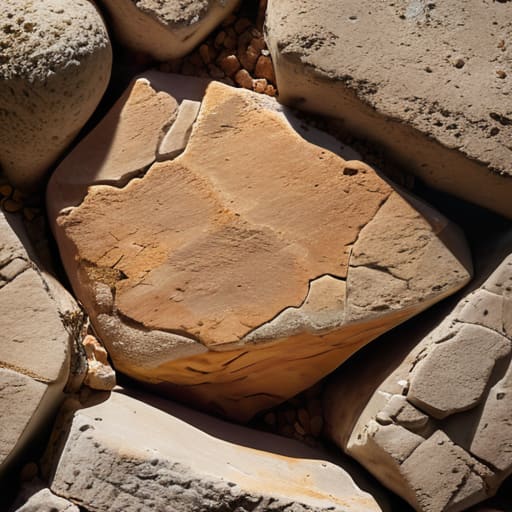
I spent yesterday afternoon in a small village outside Lucca, tracing the line where a lime-based mortar met a weathered limestone block. It is easy for a traveler to glance at these scenic landscape villas and see only a romantic facade, but if you lean in close, the mortar tells a different story. Unlike the sterile, uniform grey of modern cement, the ancient mixes were alive. You can see the grit of local river sand, the uneven distribution of lime, and even the occasional fragment of crushed brick used to give the mixture its hydraulic properties. There is a specific, rhythmic imperfection to the way these joints were laid—a hand-pressed quality that no machine can replicate.
When we talk about luxury rural retreats, we often focus on the view from the terrace, but the real luxury is found in the structural integrity of the walls themselves. I often find that the most sought-after secluded countryside accommodations are those where the original masonry has been preserved rather than covered with plaster. In these spaces, the mortar acts as a historical record; it shows where a mason had to compensate for a stone that was slightly out of square, or where a later generation attempted to patch a crack using a different recipe. To me, those variations are not flaws; they are the very fingerprints of the people who built our world.
Beyond the Facade
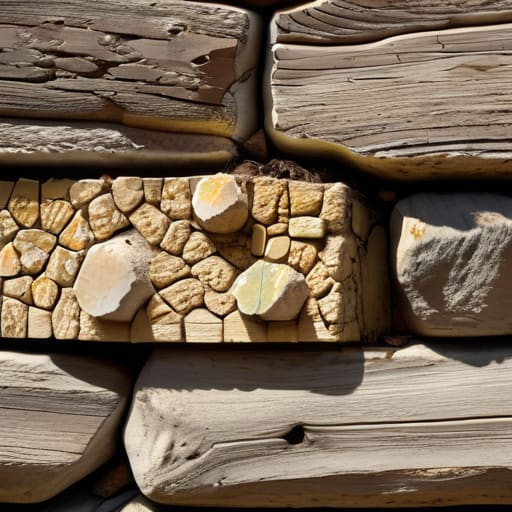
When we step back from the sweeping views of a countryside villa, it is easy to lose ourselves in the romanticism of the landscape. But if you pause and look closer—at the way the heavy timber lintels settle into the stone, or how the lime mortar has weathered differently across a single wall—you realize these structures are not static objects. They are the sum of thousands of tiny, deliberate decisions. From the massive weight of the rustic masonry to the delicate, hand-mixed compositions of the joints, every element serves as a physical record of human labor. To understand these villas, one must respect the structural logic that has allowed them to stand against the elements for centuries.
I often find myself tracing a thumb over a rough-hewn corner, thinking of the mason who stood exactly where I am standing, perhaps hundreds of years ago. We tend to treat these buildings as mere backdrops for our lives, but they are actually living conversations between the earth and the architect. My hope is that the next time you wander through a courtyard or lean against a sun-warmed wall, you don’t just see a beautiful setting. Instead, I hope you look for the scars of construction and the marks of the tools. That is where the true soul of the villa resides: in the unseen honesty of how it was put together.