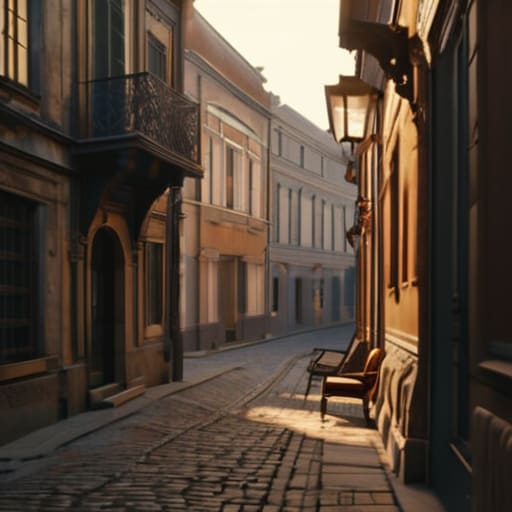
I was standing in a narrow alleyway in a small Sicilian village last autumn, my hands dusty from examining a crumbling limestone lintel, when the silence hit me. It wasn’t the peaceful silence of a midday siesta, but the heavy, hollowed-out quiet of a place that has lost its heartbeat. You can see it in the way the salt air eats away at the mortar when no one is there to patch it, and how the shuttered windows seem to squint against the sun. People talk about the depopulation of historic centres as if it were a mere statistic in a sociological journal, but for those of us who touch the stone, it is a physical decay. It is the slow, agonizing loss of the human presence that once kept these walls breathing.
I have no interest in the sanitized, glossy brochures that treat our old cities like museum dioramas for tourists. Instead, I want to talk to you about the structural reality of what happens when the hearths go cold. I promise to look past the political rhetoric and show you how the absence of people actually manifests in the very fabric of our buildings. We will examine the real, unvarnished consequences of this exodus, from the shifting foundations to the neglected joints, through the lens of someone who knows that a building only lives when it is inhabited.
Table of Contents
Cracks in the Foundation of Vacant Housing in City Cores
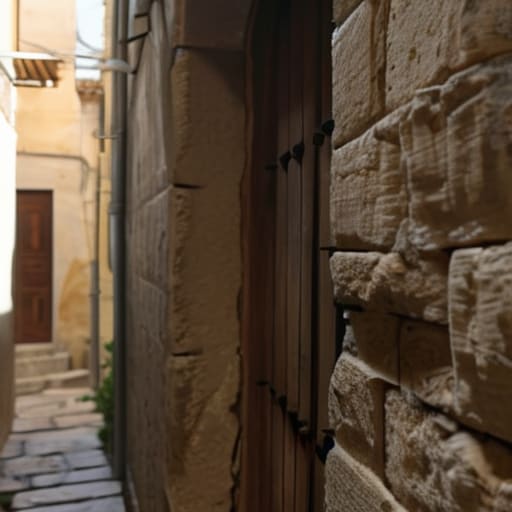
I was walking through a narrow alleyway in the old quarter of Palermo last Tuesday when I stopped to examine a corner where a lime-wash render had simply given up. It wasn’t just the damp; it was the lack of breath. When a building is left without the daily rhythm of life—the opening of shutters, the warmth of a stove, the subtle vibrations of footsteps—the very materials begin to lose their equilibrium. The vacant housing in city cores creates a peculiar kind of structural stagnation. Without the internal climate control provided by human occupancy, moisture settles into the masonry, finding its way into the microscopic fissures of the stone.
It is a slow, quiet violence. I see it in the way the mortar begins to powder and fall, a direct consequence of the socio-economic impact of urban decline. When the families leave, the maintenance cycles break. A loose roof tile is no longer replaced; a clogged gutter is ignored. This neglect allows water to penetrate deep into the heart of the walls, turning a minor leak into a structural crisis. We often talk about the loss of culture, but as an architect, I see the loss of the physical fabric itself, crumbling because there is no one left to notice the first sign of a hairline crack.
Tracing the Ghostly Migration Patterns in Urban Areas
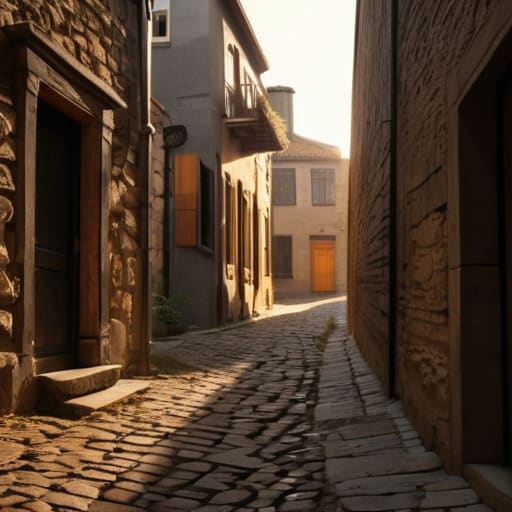
When I walk through the narrow capillaries of a district that was once the heartbeat of a city, I don’t just see empty windows; I see a directional flow, a slow-motion exodus etched into the very layout of the streets. You can almost map the migration patterns in urban areas by observing which thresholds have been scrubbed clean and which have been allowed to accumulate a thick, undisturbed layer of dust. It is a rhythmic movement away from the dense, stone-walled complexity of the old core toward the predictable, horizontal ease of the periphery.
The movement isn’t random; it follows a predictable path of convenience that leaves the architectural soul behind. As families drift toward the easier, wider geometries of the outskirts, we witness the unintended consequences of urban sprawl and city centers pulling apart. We see the structural tension of a city that is literally stretching itself too thin. I often find myself tracing the line where a well-maintained, inhabited palazzo meets a row of shuttered, decaying facades. That boundary is more than a property line; it is the front line of a shifting demographic tide that leaves the most intricate masonry to face the elements alone.
The Weight of the Empty Room
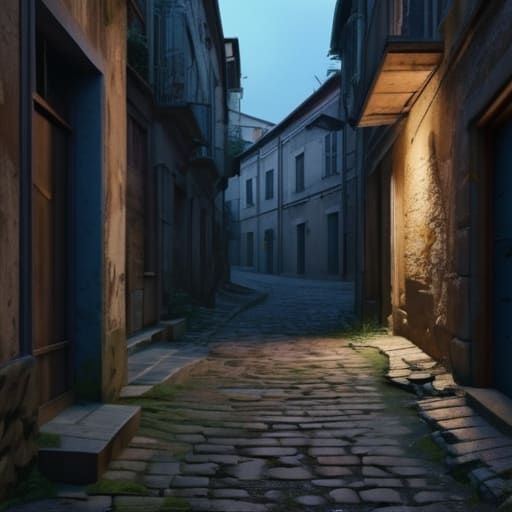
We cannot treat these historic cores as mere museums or, worse, as skeletal frameworks for short-term rentals that serve no one but the transient. As I have traced through the crumbling plaster and the shifting foundations, it is clear that depopulation is not just a demographic shift; it is a physical erosion of the city’s soul. When the domestic rhythm of a street dies, the masonry begins to suffer. Without the warmth of a hearth or the constant, subtle maintenance of inhabitants, the very joints and mortar we study begin to fail. We are seeing a structural decay that mirrors the social one, where the silence of an empty palazzo becomes a heavy, palpable thing.
But there is a way to look at this that isn’t entirely bleak. If we learn to read these buildings not as static monuments, but as living organisms that require breath and movement to survive, we might find a way back. Conservation is not just about stabilizing a stone lintel or mixing a batch of lime mortar; it is about reintegrating life into the spaces where it was once most vibrant. We must fight to ensure that these streets remain more than just beautiful, hollowed-out shells. If we can bridge the gap between preservation and habitation, we give these stones a reason to keep standing.