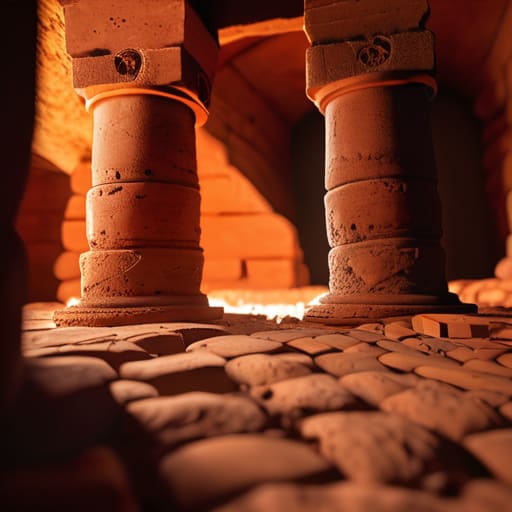
I was kneeling in the damp dust of a villa outside Pompeii last autumn, my flashlight catching the jagged edge of a broken pilae stack, when it hit me how much we get wrong about ancient comfort. Most textbooks treat hypocaust systems explained as if they were some sterile, mathematical miracle of engineering, a series of clean diagrams in a glossy manual. But when you are actually touching the soot-stained brickwork and feeling the residual chill of a floor that hasn’t breathed heat in two millennia, you realize it wasn’t just about physics; it was about the calculated courage of a builder deciding exactly how much smoke a household could endure for the sake of warmth.
I am not here to give you a dry lecture on thermal dynamics or recite a list of Latin terms you’ll never use. Instead, I want to show you the logic of the stone—how these Romans actually managed the flow of air, the fragility of the flue tiles, and the messy reality of maintaining a furnace that lived in the very marrow of the house. We are going to look past the romanticized ruins to understand the actual decisions made by the masons, stripping away the academic fluff to see how these systems truly functioned.
Table of Contents
Reading the Invisible Currents of Ancient Roman Heating Technology
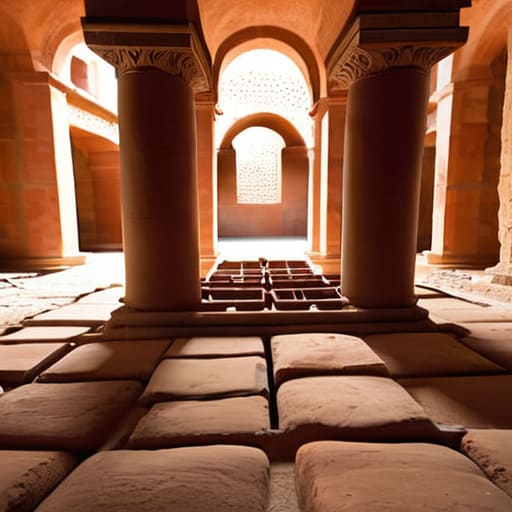
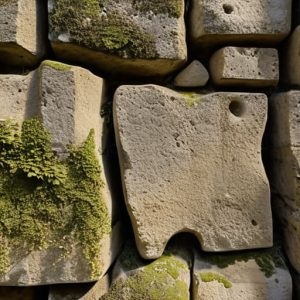
When I stand in the center of a partially excavated Roman bathhouse, I don’t just see ruins; I see a complex, breathing machine. To understand how they managed it, you have to look past the marble veneers that once hid the mechanics and focus on the pilae stack construction. These small, sturdy pillars of terracotta tile weren’t just structural supports; they were the lungs of the room. By elevating the floor on these stacks, the engineers created a void—a subterranean chamber where the hot air from the furnace could circulate freely, lifting the heat upward through the very foundation.
It is a masterclass in thermal mass heating principles. The Romans understood that once you get stone and thick tile sufficiently hot, they hold onto that energy like a slow-burning ember. I often find myself tracing the edges of these tiles, thinking about the precise decision to use certain clay compositions to ensure the floor wouldn’t crack under the intense, rising temperature. This wasn’t just about comfort; it was a sophisticated dance between the furnace and flue systems and the heavy masonry above, ensuring that the heat didn’t just vanish, but was instead absorbed and radiated steadily into the living space.
Where the Heat Begins the Furnace and Flue Systems
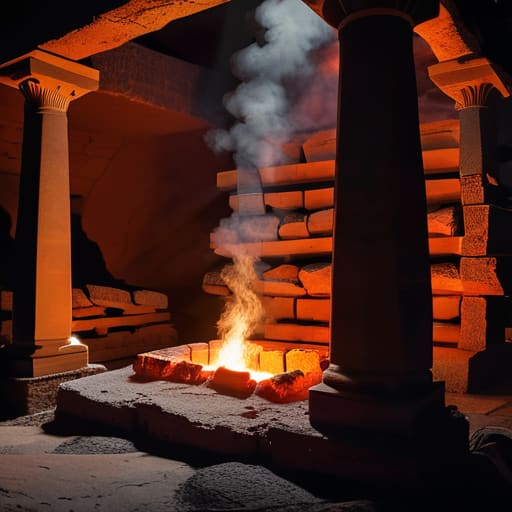
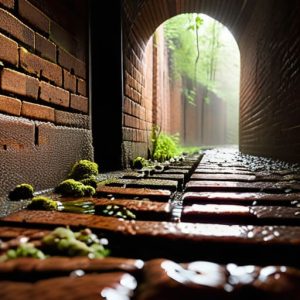
To understand the movement of heat, you have to start at the source: the praefurnium. It isn’t just a furnace; it is the lungs of the entire complex. I often find myself kneeling in the dust of half-excavated sites, tracing the path where the wood-ash once flowed, trying to visualize the intense, hungry heat of the firebox. This isn’t a passive system. The engineers designed these furnace and flue systems to create a deliberate pressure differential, pulling the scorching air from the fire through the hollow voids beneath the floors and up through the walls.
The real magic, however, lies in the structural physics of the pilae stack construction. These aren’t just random piles of bricks; they are carefully calibrated columns of tegulae or ceramic tiles that support the heavy floor above while allowing the hot air to circulate freely. By elevating the floor on these stacks, the Romans mastered the art of thermal mass heating principles, turning the very weight of the stone into a battery that would slowly release warmth long after the fires had died down. When you look at a surviving stack, you aren’t just looking at debris; you are looking at the precise geometry required to keep a room at a constant, livable temperature.
The Ghost in the Masonry
When we look at these ruins today, it is easy to see only the fallen columns or the broken mosaics, but the hypocaust reminds us that the true genius of Roman engineering lay in the unseen spaces. It wasn’t just about the grandeur of the marble; it was about the calculated movement of air through pilae stacks, the precise chemistry of the furnace, and the way they mastered the thermal properties of stone and tile. To understand a hypocaust is to understand a civilization that refused to let the environment dictate their comfort, instead choosing to engineer warmth directly into the structural bones of their world.
I often find myself kneeling in the dust of a site, tracing the edges of a hollow flue or a scorched brick, and I am struck by the same realization every time: a building is never just a shell. It is a living, breathing machine of decisions. The next time you walk through an ancient space, don’t just look up at the ceilings or the arches. Look down at the floor, look behind the walls, and try to sense the invisible currents that once flowed there. If you listen closely enough to the way the stones are laid, you can almost feel the heat of the hands that built them, still working to keep the cold at bay.