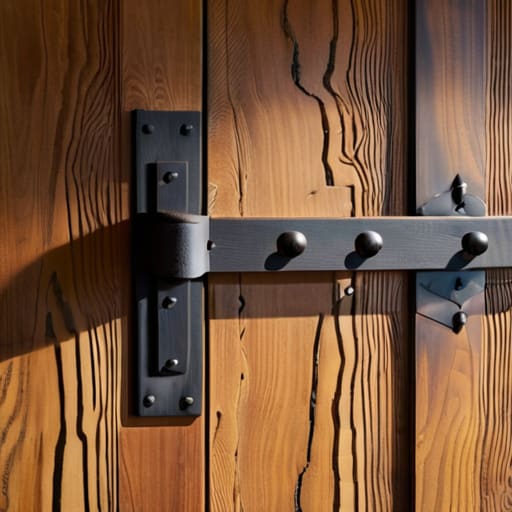
Last Tuesday, I found myself in a crumbling palazzo near Ravenna, tracing the grain of a sixteenth-century chestnut portal with my thumb. Most people walk past these entrances, seeing only a barrier or a decorative flourish, but they miss the entire conversation happening in the wood. When we talk about doors and their construction, we shouldn’t be discussing the finish or the expensive hardware that makes a showroom manager smile; we should be looking at the integrity of the joinery. I’ve spent twenty years watching how a poorly executed mortise or a cheap, modern slab fails to respect the movement of the building, and frankly, it breaks my heart to see such beautiful history replaced by hollow, engineered nonsense.
I am not here to sell you a catalog of high-end fittings or lecture you on aesthetic trends. Instead, I want to show you how to read the timber like a map. We are going to strip away the marketing fluff and look at the actual mechanics—the way a frame settles, the logic of a tenon, and the subtle tells of a master carpenter. My goal is to give you the eyes to see the structural truth behind every entrance you encounter.
Table of Contents
Decoding the Intent Behind Architectural Door Specifications
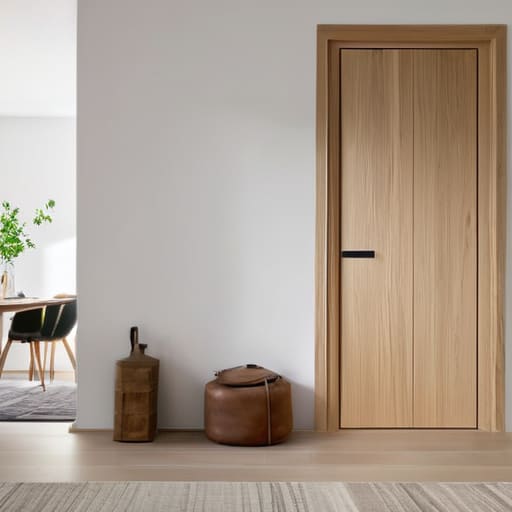
When I look at a set of architectural door specifications, I don’t just see a list of dimensions and materials; I see a blueprint of how a space was intended to be experienced. A specification isn’t just a technical requirement; it is a set of instructions for privacy, sound, and permanence. For instance, when a designer specifies a heavy, solid timber for a main entrance, they are making a statement about the building’s threshold. Conversely, the choice of internal door types—perhaps a lighter, more delicate frame for a study—reveals how the architect intended to manipulate the flow of light and sound through the interior.
The real intelligence of a building, however, is often hidden within the door core materials. It is easy to be fooled by a beautiful veneer, but if you look closer at the weight and the way the light hits the surface, you can sense the difference between a cheap, lightweight assembly and something substantial. I often find myself tracing the edges where the stiles meet the rails, checking the integrity of the door frame assembly to see if it was designed to move with the seasons or if it was a rigid, perhaps even flawed, afterthought. To me, the way a door is specified tells you exactly how much the architect valued the silence of a room.
Reading the Truth in Wood Grain Patterns in Doors
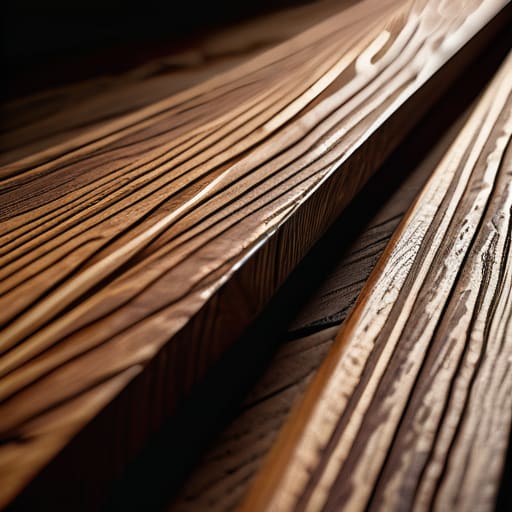
When I’m standing in a dim hallway, I’m rarely looking at the color of the finish; I’m looking at how the light catches the ridges of the timber. You can learn so much about a piece’s provenance by studying the wood grain patterns in doors. A tight, consistent grain often speaks to a slow-grown, high-quality hardwood, while more erratic, swirling patterns might suggest a reclaimed piece or a specific regional species chosen for its character. I often find myself tracing these lines with my eyes, trying to sense the direction of the saw blade or the hand-plane that last kissed the surface.
The grain doesn’t just tell you about the tree; it tells you about the structural integrity of the panel itself. In older, more substantial builds, you’ll see how the grain is oriented to prevent warping—a deliberate choice made by a carpenter who understood how humidity would fight against the wood. This is where you see the distinction between a superficial veneer and a truly honest construction. Even when comparing modern hollow core vs solid core options, the grain serves as the visual fingerprint of the maker’s intent, revealing whether they were aiming for mere utility or something meant to endure the centuries.
The Final Grain of Truth
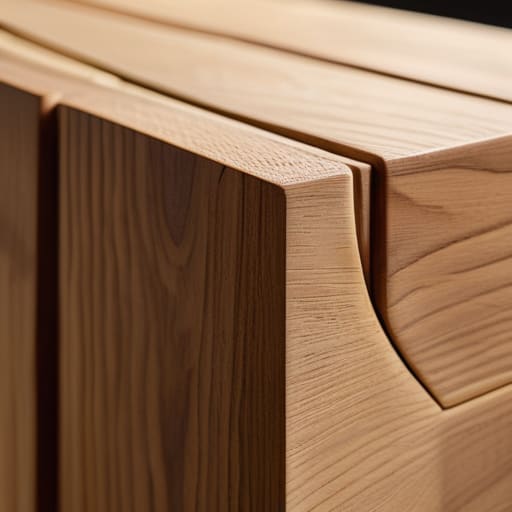
When you step back from the broad aesthetics of a facade, you realize that a door is never just a barrier; it is a complex assembly of technical choices. We have looked at how the specific species of wood dictates the structural possibilities, how the grain patterns reveal the very life of the tree, and how the joinery—whether it be a precise mortise or a more rustic lap joint—serves as a signature of the maker’s intent. Understanding these elements allows us to see past the paint and the varnish to the mechanical reality of the object. To truly appreciate a door, one must recognize that its longevity is not an accident, but the result of deliberate, calculated craftsmanship that respects the physics of the material.
The next time you pass through a threshold, I urge you to pause. Don’t just walk through; look at how the hinge sits in the frame, or how the light catches a hand-planed groove. There is a profound, quiet dignity in these small details that most people simply overlook. Buildings are often treated as static monuments, but through their doors, we see the continuous dialogue between the hand of the carpenter and the passage of time. If you learn to read these silent testimonies, you will find that every entrance is an invitation to understand the human hands that shaped our world.