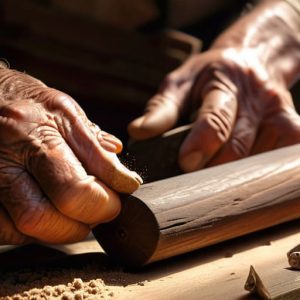
I was standing on a scaffolding in a dim chapel near Syracuse last autumn, scraping away a layer of what a previous “restorer” had called a luxury upgrade, only to find the original intent buried under a thick, suffocating coat of cheap metallic paint. It’s a frustration I feel deeply: the modern obsession with making everything look instantly expensive often results in a total loss of the building’s soul. People talk about gilding and surface finishes as if they are mere masks to hide mediocre masonry, but that is a fundamental misunderstanding. When you treat gold leaf or lime wash as a way to cover up a structure rather than to articulate it, you aren’t decorating; you are lying to the stone.
In this series, I want to strip away the marketing fluff and look at these materials through the lens of a conservator. I won’t give you a catalog of trends, but I will show you how to read the physical logic of a finish—how the way light hits a burnished surface can reveal the hand of the craftsman or the decay of the substrate. We are going to discuss how to choose finishes that respect the underlying architecture, ensuring that every layer added serves to strengthen the narrative of the building rather than silence it.
Table of Contents
The Intent Hidden Beneath Luxury Surface Textures
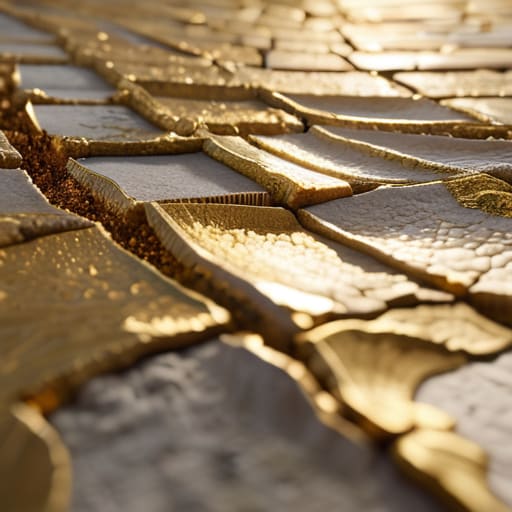
When I walk into a chapel in the Sicilian interior, I don’t look at the altar first; I look at the edges where the gold meets the stone. There is a specific tension there. You can tell immediately if the craftsman was merely covering a flaw or if they were using architectural gilding methods to direct the eye toward a structural transition. A heavy, unapologetic application of gold leafing process suggests a desire to mask the weight of the masonry, whereas a more delicate, translucent layer respects the grain of the wood or the porosity of the plaster underneath.
I often find myself tracing the slight irregularities in the sheen. To the untrained eye, it is just “expensive,” but to me, it is a map of labor. You can see where the master’s hand hesitated and where they pressed firmly to burnish the surface. These luxury surface textures aren’t just about wealth; they are about the dialogue between light and material. When the light hits a well-applied leaf, it reveals the intentionality of the surface—whether the goal was to create a seamless, heavenly glow or to celebrate the tactile, rhythmic reality of the carved substrate.
Decoding the Language of Decorative Surface Treatments
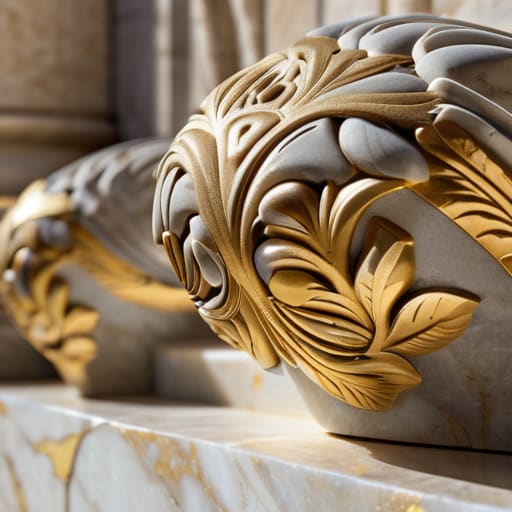
When I am kneeling on a dusty site in Sicily, tracing the edge of a carved frieze, I am rarely looking at the luster itself. Instead, I am looking for the tell-tale signs of the gold leafing process—the way the metal has been worked into the recesses of the stone. You can tell if a craftsman was rushed by the unevenness of the burnishing, or if they truly understood the substrate. There is a profound difference between a surface that merely sits atop a material and one that has been integrated through careful architectural gilding methods. A master doesn’t just cover a surface; they negotiate with it, respecting the grain of the wood or the porosity of the marble underneath.
I often find myself photographing the subtle shifts in tone that occur over decades. This is where the real story of patina and aging finishes begins to unfold. A finish shouldn’t be a static mask; it should breathe with the building. As the light shifts through a palazzo’s courtyard, the way the metal oxidizes or wears down in high-traffic areas tells you exactly how the space was used by the people who lived there. It turns a decorative choice into a chronicle of human movement, transforming a simple luxury into a living record of time.
Beyond the Shimmer
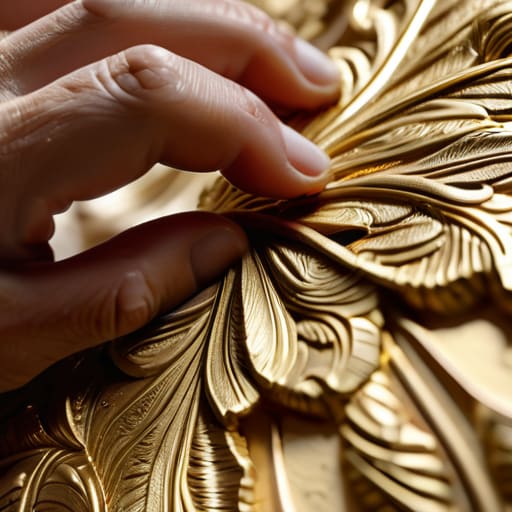
When we step back from the initial dazzle of a gilded ceiling or a polished marble veneer, we stop seeing mere decoration and start seeing a series of deliberate, technical choices. We have seen how the application of gold leaf isn’t just about wealth, but about directing the eye and managing the way light interacts with a room’s geometry. Whether it is the way a specific patina was encouraged to settle into the recesses of a carved frieze, or how a modern finish attempts to mimic the weight of historical stone, these surfaces are the final layer of a long conversation between the structure and the artisan. To understand the gilding is to understand the intent of the hand that applied it, moving past the superficial glow to find the logic of the craft itself.
Next time you find yourself in a chapel in Ravenna or a palazzo in Palermo, I urge you not to just marvel at the brightness. Lean in closer. Look for the slight irregularities in the leaf, the way the pigment meets the grain of the wood, and the subtle shifts in texture that tell you exactly where the master’s work ended and the building’s life began. A building is never truly finished; it is a living record of material and human decision. If you learn to read the surface, you will find that the most beautiful thing about a building isn’t its shine, but the honest evidence of how it was made.