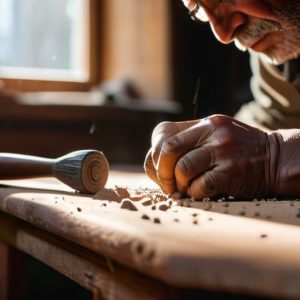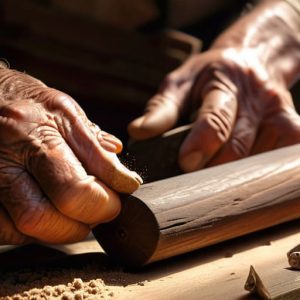
I was standing on a scaffold in a narrow street near Ravenna last autumn, my hands stained with the fine, white dust of lime, when I realized how often we misread a building’s skin. Most people walk past a palazzo and see a pretty pattern, treating sgraffito on facades as if it were merely a superficial sticker applied to the stone. They see the “art,” but they completely miss the mechanical struggle happening beneath the surface. They don’t see the tension between the dark base coat and the light lime slip, or the way the craftsman had to race against the drying time to etch those lines before the material surrendered to the air.
I am not here to give you a sanitized lecture on Renaissance aesthetics or a list of expensive, decorative buzzwords. Instead, I want to show you how to read these walls like a map of human intent. We are going to look past the patterns to understand the actual composition of the layers, the chemistry of the mortars, and the precise moment a tool meets a setting surface. If you want to understand why some of these marks have survived four centuries while others flake away in a single season, you are in the right place.
Table of Contents
The Intentionality Behind Multi Layered Plaster Art
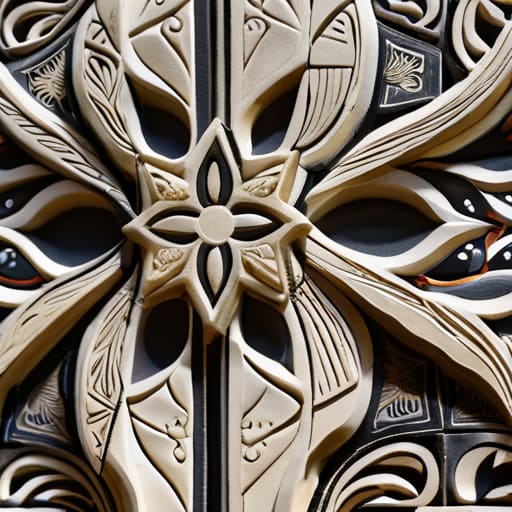
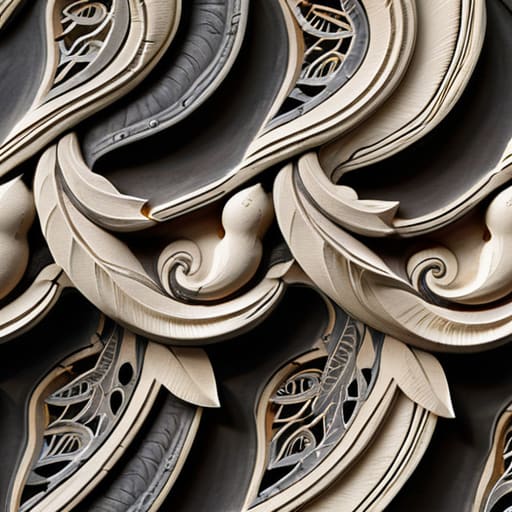
When I stand before a well-preserved facade, I don’t just see a pattern; I see a sequence of timed decisions. To achieve true multi-layered plaster art, the artisan couldn’t simply work at their leisure. They were racing against the clock, against the drying time of the lime, and against the humidity of the Italian air. You can see this tension in the depth of the lines. A master didn’t just scratch a surface; they managed the relationship between the dark, pigmented base coat and the lighter, sacrificial top layer. If the timing was off by even an hour, the plaster etching techniques would fail, the edges would blur, or the entire design would delaminate from the substrate.
There is a profound sense of purpose in these sgraffito wall patterns that modern, machine-applied finishes lack. You can trace the hand of the person holding the stylus. Sometimes, a slight tremor or a heavy-handed stroke remains visible in the groove, a permanent record of a human being working under the sun. This wasn’t just about historical facade ornamentation for the sake of vanity; it was a structural dialogue. The layers had to be thin enough to adhere perfectly, yet robust enough to withstand the centuries of wind and rain that would eventually try to scour them away.
Deciphering the Language of Historical Facade Ornamentation
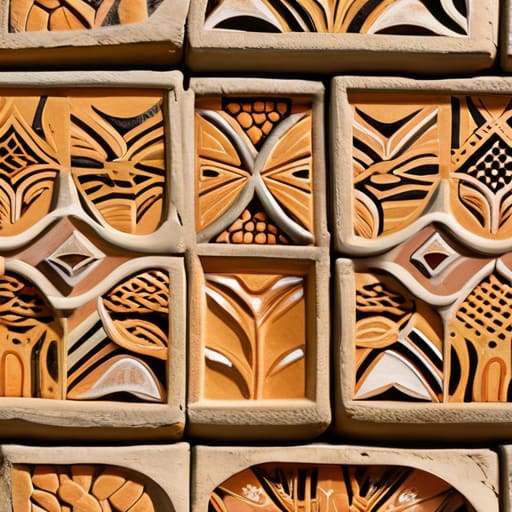
When I stand before a facade in a Tuscan village, I am not looking for the pattern itself, but for the logic of the hand that carved it. Historical facade ornamentation is rarely a matter of mere vanity; it is a coded dialogue between the patron’s status and the mason’s capability. If you look closely at the edges of a geometric motif, you can often see where the tool hesitated or where the lime-wash was applied too thin, revealing the haste of a crew working against a summer storm. These are not flaws to me; they are the fingerprints of the process.
In many ways, studying these sgraffito wall patterns is like reading a topographical map of a workshop’s skill level. During the height of Renaissance architectural decoration, the complexity of the design was a direct test of the craftsman’s mastery over moisture and timing. You have to understand that these layers aren’t static; they are a living chemistry. If the dark base coat wasn’t sufficiently cured before the lighter top layer was applied, the entire composition would eventually “weep” or delaminate. To decipher these surfaces, you must look past the beauty and start asking why the plaster behaves the way it does under the weight of centuries.
The Living Skin of the City
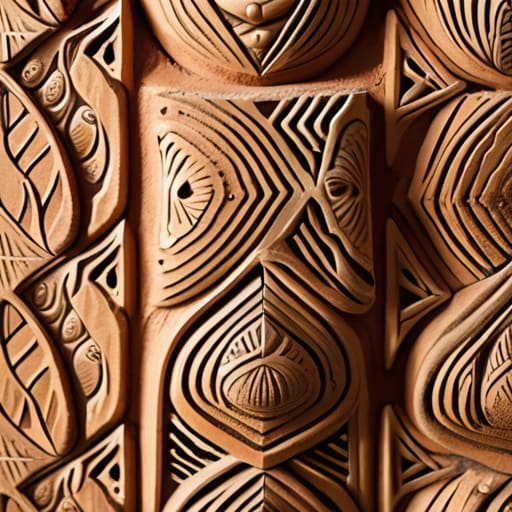
When we strip away the superficiality of a building’s “look,” we are left with the technical reality of its construction. Sgraffito is not merely a surface treatment; it is a sophisticated dialogue between color, depth, and the physicality of the lime. We have seen how the layering of tinted plasters requires a precise understanding of drying times and the rhythmic, almost musical, scratching of the artisan’s tool. To study these facades is to understand that the ornament is inseparable from the structure, a testament to a time when the hand of the maker was etched directly into the very skin of the urban fabric.
As I walk through the streets of Ravenna or the older quarters of Palermo, I find myself less interested in the grand silhouettes of the skyline and more captivated by these weathered, scratched surfaces. There is a profound lesson in the way a centuries-old sgraffito pattern begins to erode, revealing the different hues of the substrate beneath. It reminds us that architecture is never a finished, static object, but a slowly breathing entity. Next time you pass a decorated facade, don’t just glance at its beauty; lean in close, look for the tool marks, and try to hear the quiet, rhythmic scratch of the craftsman who decided, hundreds of years ago, exactly where that line should live.