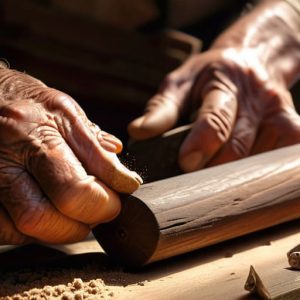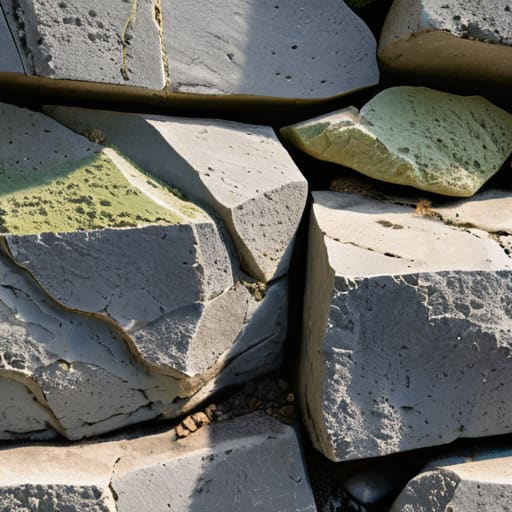
I was standing in a damp basement in Ravenna last Tuesday, tracing the jagged fracture of a sixteenth-century limestone block, when I saw it: a patch of grey, rigid Portland cement shoved into a joint that clearly demanded breath. It looked like a surgical scar left by someone who didn’t know anatomy. This is the fundamental tragedy of the modern contractor’s mindset; they see a gap and they want to plug it with the strongest, fastest thing in the van. But when you are weighing cement versus lime in repair, you aren’t just choosing a binder—you are choosing whether that wall lives or dies. Using cement on old, soft masonry is like trying to heal a broken bone with a steel bolt; it’s too stiff, it’s too unforgiving, and it will eventually shatter the very stone it was meant to protect.
I am not here to give you a sanitized lecture from a textbook. I’ve spent twenty years getting my hands dirty in the dust of crumbling facades from the north to the south, and I’ve seen far too many “quick fixes” turn into structural catastrophes. In this post, I’m going to strip away the marketing hype and talk about the actual mechanics of how these materials behave under pressure. I will show you why compatibility is everything and how to respect the original logic of the mason who first laid those stones.
Table of Contents
The Rigid Strength of Cement
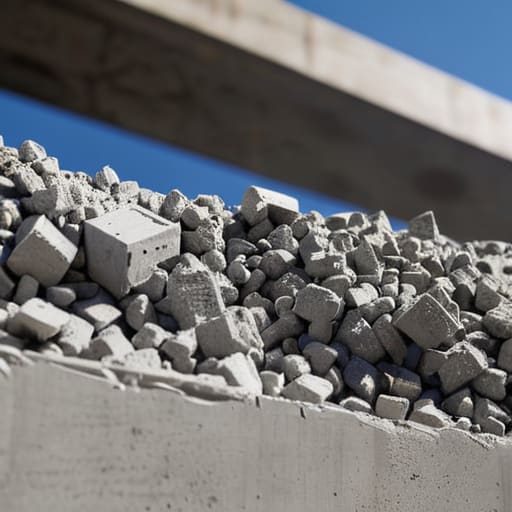
Portland cement is a hydraulic binder that relies on a chemical reaction with water to create a dense, incredibly hard crystalline structure. Its primary advantage in modern construction is its unrivaled compressive strength and the speed with which it sets, allowing for rapid structural stabilization and heavy-duty load-bearing capabilities.
When I am standing on a site in the outskirts of Palermo, I see the temptation to reach for it every time a crack appears. It is easy to see why; it feels permanent, like a quick fix for a structural crisis. But there is a danger in that perceived permanence. Because cement is so stubbornly inflexible, it refuses to move with the natural breathing and settling of an ancient structure, often turning a minor masonry issue into a catastrophic fracture.
The Breathable Soul of Lime
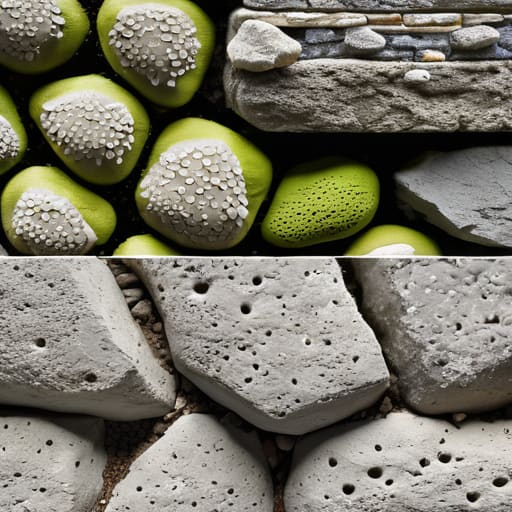
Lime mortar is a traditional binder that hardens through carbonation—a slow process of absorbing CO2 from the air—which results in a material that remains chemically compatible with historic masonry. Its greatest strength lies in its ability to facilitate vapor permeability, allowing moisture to migrate through the joints rather than being trapped within the stone itself.
I often find myself tracing the edges of a weathered archway, looking for that soft, slightly irregular line where the mortar meets the stone. When you use lime, you are working with the building’s natural rhythm. It acts as a sacrificial element, taking the brunt of the environmental weathering so the precious, irreplaceable stone doesn’t have to. To me, using lime isn’t just a technical choice; it is an act of respect for the building’s longevity.
Comparison of Cement vs. Lime in Repair
| Feature | Cement | Lime |
|---|---|---|
| Key Feature | High compressive strength and rapid setting | High flexibility and breathability |
| Best For | Structural repairs and heavy-duty load bearing | Historic masonry and moisture regulation |
| Setting Mechanism | Hydraulic (sets through chemical reaction with water) | Carbonation (sets by absorbing CO2 from air) |
| Workability | Difficult; prone to shrinkage and cracking | Excellent; easy to spread and self-healing properties |
| Durability | Very high in modern, stable structures | High in heritage contexts due to movement tolerance |
| Relative Cost | Generally lower per unit of strength | Higher due to specialized application needs |
| Breathability | Low (can trap moisture behind it) | High (allows vapor to pass through) |
The Suffocation of Stone Moisture Permeability in Masonry
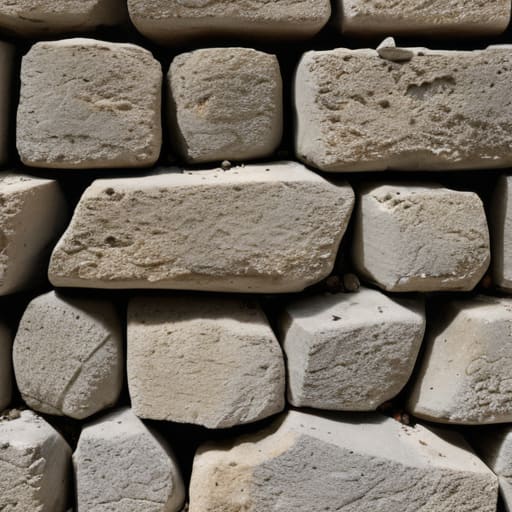
I was surveying a sixteenth-century palazzo in Palermo last Tuesday when I saw it again: a beautiful, weathered limestone facade being slowly eaten alive by a “repair” job gone wrong. When we talk about moisture permeability, we aren’t just discussing a technical spec; we are talking about the building’s ability to breathe. If the moisture cannot escape through the joints, it will find another way out—and that path is usually straight through the face of your precious stone.
The problem with modern cement is its sheer, stubborn density. It acts like a waterproof seal, trapping liquid water inside the masonry core. Because the cement won’t let the moisture migrate, the water builds up pressure behind the joint, eventually forcing itself through the stone itself, causing spalling and irreversible decay. It is a violent, slow-motion destruction of the very material you intended to save.
Natural lime, however, works with the building’s natural rhythm. It is highly vapor-permeable, acting as a sacrificial wick that draws moisture out of the walls and allows it to evaporate harmlessly at the surface. In the battle of permeability, lime is the clear winner. It ensures the wall remains a living, breathing system rather than a trapped, decaying mass.
The Brittle Trap Why Portland Cement Breaks Old Walls
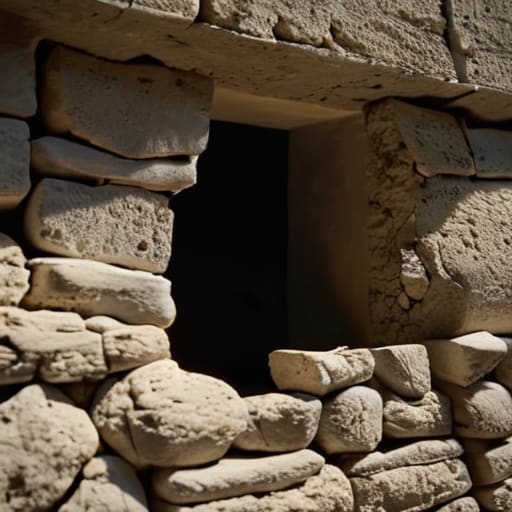
When I’m standing on a scaffold in a crumbling Palazzo, I don’t just look at the cracks; I look at the tension. If you choose the wrong binder, you aren’t just fixing a surface; you are introducing a structural predator into a delicate ecosystem. This isn’t about aesthetics; it is about the physical survival of the masonry under the stress of thermal movement and settling.
Portland cement is a rigid, uncompromising beast. Once it sets, it becomes a hard, unyielding mass that refuses to budge. When the building naturally breathes or shifts with the seasons, the cement won’t move—instead, it forces the surrounding ancient stone to take the hit. You end up with spalling and fracturing because the stone is literally being crushed by its own “repair.”
Natural lime, by contrast, is a forgiving partner. It possesses a certain elasticity that allows it to accommodate the subtle, inevitable movements of a living structure. It yields slightly rather than fighting the building, absorbing the micro-stresses that would otherwise shatter a centuries-old block. It works with the building’s rhythm rather than trying to impose a new, violent one.
For the question of structural resilience and movement, the winner is undeniably natural lime.
Choosing Between Survival and Decay
At the end of the day, the choice between cement and lime isn’t just a technical debate found in a textbook; it is a decision about the longevity of the structure itself. We have seen how the rigidity of Portland cement creates a fatal mismatch with the soft, breathing nature of historical masonry, turning a repair into a source of stress. While cement offers a seductive, quick-drying strength, it lacks the breathability and flexibility that allow ancient walls to manage moisture and movement. If we ignore the fundamental need for material compatibility, we aren’t actually preserving history—we are merely masking its inevitable decay with a layer of grey, unyielding error.
I often find myself standing before a crumbling facade, tracing the edges of a weathered joint with my fingers, and I realize that our job is to be translators for the builders of the past. They didn’t build for the next fiscal quarter; they built for the centuries. When we choose lime, we are choosing to honor that long-term conversation between stone and environment. We must learn to work with the physics of the building rather than trying to conquer it. Let us stop trying to force modern solutions onto ancient problems and instead start listening to what the stone is telling us about how it needs to live.