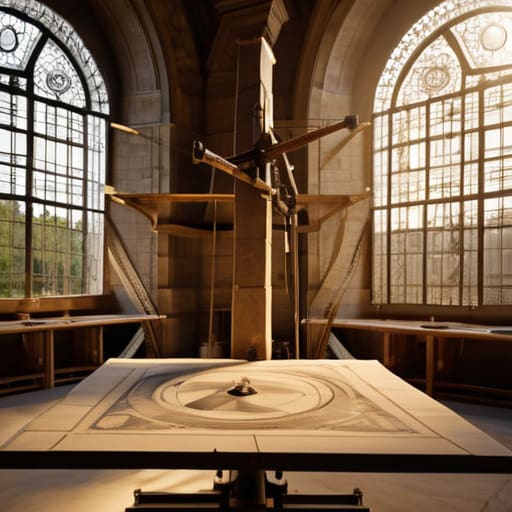
I was crouched in the damp shadows of a basement in Rome last autumn, my flashlight beam dancing over a particularly stubborn patch of travertine, when it hit me. Most people look at the grand facades of the Renaissance and see nothing but divine inspiration or artistic genius, but they completely miss the physicality of the work. They talk about the Sangallo family and engineering as if it were some ethereal, theoretical concept discussed in marble halls, rather than a gritty, calculated struggle against gravity. To me, the true legacy of the Sangallo family and engineering isn’t found in a dusty treatise on proportions; it’s found in the way a specific stone was notched to lock into its neighbor, or how they managed the lateral thrust of a heavy vault without the benefit of modern calculus.
I have no interest in romanticizing the past or reciting textbook dates that tell you nothing about how a building actually stays standing. Instead, I want to show you the logic of the joint and the deliberate, often invisible, decisions made by these master builders. We are going to look past the aesthetics and focus on the mechanics—the mortar, the load paths, and the sheer structural intent that allowed their work to endure centuries of seismic shifts.
Table of Contents
Tracing the Logic of Italian Architect Dynasties
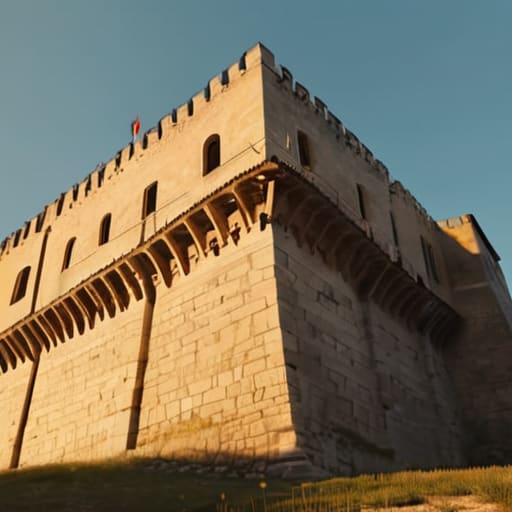
When I walk through the perimeter of a sixteenth-century citadel, I don’t look at the grand facades or the heraldry carved into the lintels. I look at the angles of the bastions. To understand the rise of Italian architect dynasties, you have to stop looking at them as mere artists and start seeing them as structural problem-solvers. The Sangallos, for instance, didn’t just design beautiful spaces; they mastered the terrifying transition from high, thin medieval walls to the low, thick, angled geometry required to withstand gunpowder.
You can see this shift in the very way they handled mass and slope. In my own surveys, I’ve often found that the true genius of their Renaissance fortification techniques lies in the hidden layers—the way the rubble core of a wall is packed to absorb impact, or how a specific type of lime mortar was graded to allow for slight, controlled movement. It wasn’t just about aesthetic symmetry; it was about a calculated response to a changing world. They were building for a new kind of violence, and you can still feel that tension in the way the stone meets the earth.
Where Lineage Meets the Weight of Stone
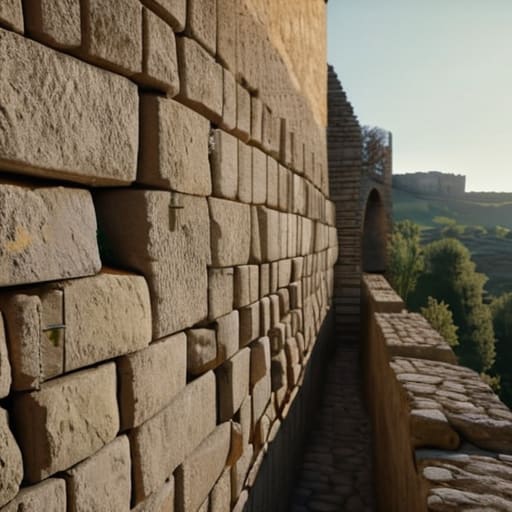
When I walk the perimeter of a sixteenth-century bastion, I don’t look at the grand vistas; I look at the scarp walls. In the work of the Sangallo lineage, you can see the exact moment where the elegant geometry of the high Renaissance collided with the brutal necessity of gunpowder. Their contribution to Renaissance military architecture wasn’t just about drawing pretty plans; it was a calculated response to the increasing power of artillery. You can see it in the transition from thin, high medieval walls to the thick, angled profiles designed to deflect shot. It is a physical record of a desperate, brilliant arms race.
I often find myself tracing the way they managed the transition between different masonry types to absorb impact. They didn’t just pile stone; they engineered layers. In many of their projects, you’ll notice a specific logic in the fortification design evolution—a shift toward the trace italienne style that prioritized depth and interlocking fields of fire over mere height. To me, the real genius isn’t found in the stylistic flourishes of a palace facade, but in the way they calculated the mass of a rampart to ensure it wouldn’t crumble under a sustained bombardment. It is engineering as a survival instinct, etched into the very grit of the stone.
The Fingerprints of Intent
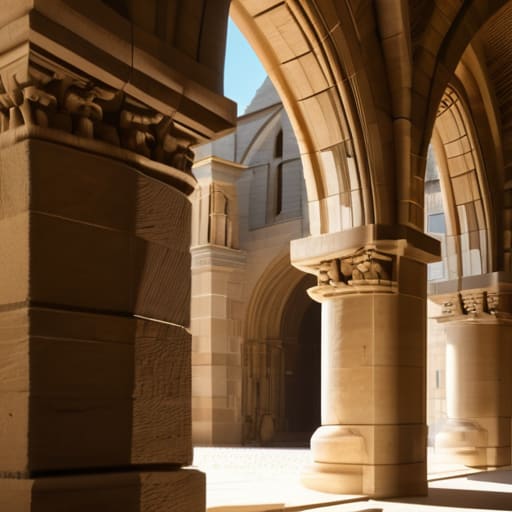
When we strip away the Renaissance ornamentation and the grand frescoes that tourists flock to see, we are left with the raw, structural truth of the Sangallo legacy. It isn’t found in the decorative flourishes, but in the calculated precision of a load-bearing arch or the way a foundation was laid to withstand centuries of shifting soil. Through their work, we see that engineering wasn’t a separate discipline to be tucked away behind a curtain; it was the very skeleton upon which their aesthetic vision was draped. By studying their methods—the way they managed the immense weight of stone and the subtle complexities of structural tension—we realize that their true genius lay in the unseen logic that allowed their masterpieces to remain standing long after the architects themselves had turned to dust.
Next time you find yourself standing in the shadow of a great Italian monument, I urge you to look past the surface. Don’t just admire the scale; look for the joints, the seams, and the way the materials meet. There is a profound, quiet dialogue happening in every intersection of masonry, a conversation between the builder and the gravity that seeks to pull it down. If you listen closely to the way the stone is set, you will hear the persistent heartbeat of the craftsmen who refused to compromise on stability. To understand a building is to respect its struggle against physics, and in that recognition, we finally begin to see the real soul of the architecture.