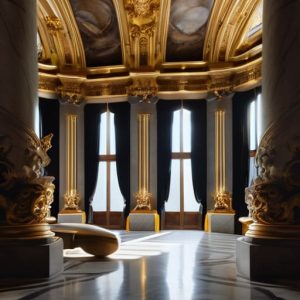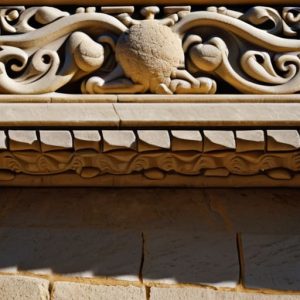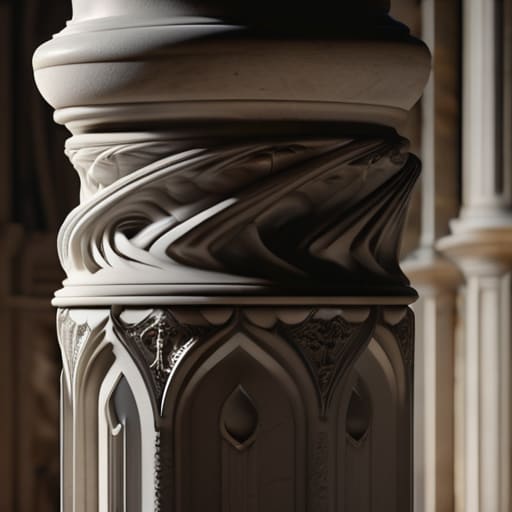
I was kneeling in the dust of a side chapel in Rome last autumn, my flashlight tracing a seam where a late Renaissance pilaster met a sudden, aggressive curve of travertine. Most historians will try to sell you a tidy narrative of “the transition to baroque” as if it were a clean, scheduled handoff of aesthetic ideas, like a baton being passed in a race. But looking at that joint, I saw something much messier: a mason who was clearly tired of the rigid, polite geometry of the past and was starting to push the stone into something more theatrical. It wasn’t a sudden change in a textbook; it was a physical struggle between the old rules of stability and a new, restless desire for movement.
I have no interest in debating the grand philosophical shifts of the seventeenth century if we can’t talk about the actual mortar. In this series, I’m going to show you how to spot the transition to baroque by looking at the things people usually ignore—the way a cornice begins to swell, the deepening of a shadow in a niche, or the sudden loss of restraint in a stone carving. We are going to look past the gold leaf and the spectacle to see how the very bones of these buildings began to change.
Table of Contents
- The Fractured Symmetry Tracing the Renaissance to Baroque Evolution
- The Weight of Faith Counter Reformation Aesthetic Impact
- Light and Shadow the Transition to Baroque Mastery
- Chiaroscuro Technique Development in the Mortar and Paint
- Tracing the Sudden Pulse of Baroque Architectural Characteristics
- A Symphony of Structure Beyond the Silent Stone
- The Living Pulse of the Transition
The Fractured Symmetry Tracing the Renaissance to Baroque Evolution
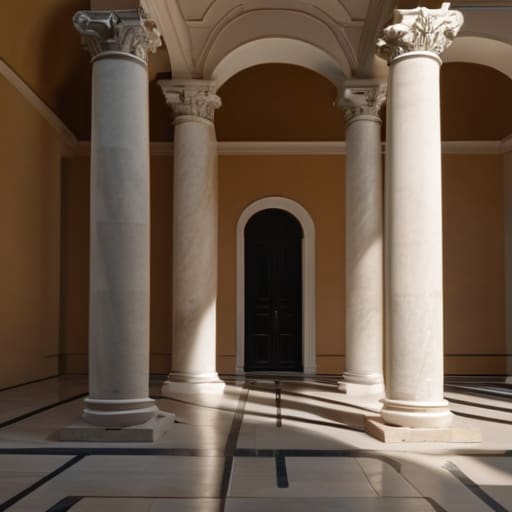
If you stand in a courtyard designed in the mid-1500s, you can feel the tension before you even see it. The Renaissance was obsessed with the math of it all—the perfect circle, the balanced ratio, the sense that a building was a solved equation. But as I trace the edges of these older facades, I see the math beginning to fail. This is where we see the renaissance to baroque evolution manifesting not as a sudden explosion, but as a slow, nervous breakdown of symmetry. The columns start to crowd one another; the pediments, once so predictable, begin to crack or sag as if they are tired of being so upright.
This restlessness is the hallmark of Mannerism, that strange, transitional period where architects stopped playing by the rules of Vitruvius and started playing with our expectations. It wasn’t just about decoration; it was a psychological shift. You see it in the way a lintel is placed just slightly off-center, or how a shadow is cast by a deep, unnecessary recess. This was the early counter-reformation aesthetic impact taking hold in the stone itself—a move away from the calm, humanistic clarity of the previous century toward something much more theatrical and unsettling. The stone was no longer just a boundary; it was becoming a stage.
The Unsettling Tension of Mannerism in Art History
Before the Baroque fully takes hold, you have to contend with Mannerism—that restless, almost nervous middle ground. It is the moment when the architects stopped looking at the rules of Vitruvius as sacred laws and started treating them like suggestions. When I walk through a courtyard from this period, I don’t see the calm, mathematical certainty of the High Renaissance; instead, I see a deliberate, almost calculated instability. Columns are squeezed into spaces they don’t belong, and pediments are broken just to see if they can get away with it. It’s a period of architectural anxiety.
You can feel this tension most clearly in the way the stone is handled. The proportions start to feel slightly “off,” as if the building is holding its breath. It isn’t a mistake of the mason, but a conscious choice to prioritize psychological impact over structural clarity. It is the architecture of the unexpected, where the rhythm of the facade begins to stutter, preparing the viewer for the grand, sweeping theatrics that the Baroque will eventually unleash.
Where the Rigid Geometry Begins to Fray
I was surveying a small, sixteenth-century courtyard in Urbino last Tuesday when I noticed it—that subtle, almost nervous hesitation in the masonry. In the High Renaissance, every block of travertine seems to have been placed with a sense of mathematical certainty, as if the architect were afraid of offending the gods with a single millimeter of error. But as you move into the late Cinquecento, you begin to see the geometry start to lose its grip. The stone doesn’t just sit there anymore; it feels as though it is beginning to strain against the very grid that defines it.
It’s most evident in the way the moldings transition from the cornices. Instead of the clean, predictable shadows of a classical entablature, you start seeing these slight, rhythmic undulations. The craftsmen were no longer satisfied with the quiet dignity of the straight line; they were looking for ways to make the light dance. You can see it in the way the mortar joints are tucked into deeper, more complex recesses, preparing the way for a movement that refuses to be contained by a simple square.
The Weight of Faith Counter Reformation Aesthetic Impact
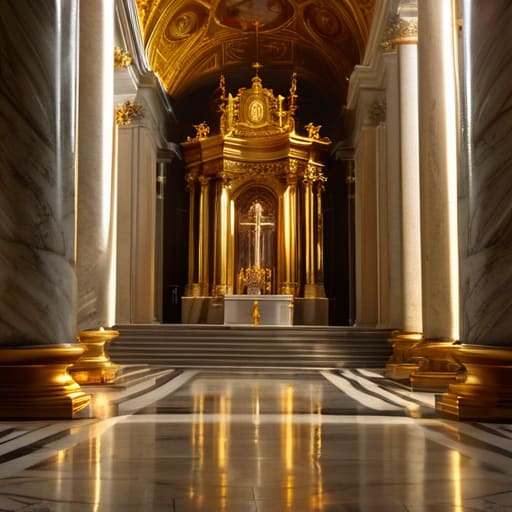
If you walk into a church built during this period, you can feel the shift in the air—it isn’t just about the height of the nave, but the way the stone seems to demand your attention. This was the era of the Counter-Reformation, where the Church realized that geometry alone couldn’t hold a congregation’s soul; they needed something more visceral. The counter-reformation aesthetic impact wasn’t a subtle change in decor; it was a deliberate pivot toward architecture that could act as a stage for the divine. We see it in the way the light is no longer distributed evenly, as it was in the balanced, rational spaces of the previous century, but is instead manipulated to strike specific altars or carvings.
In my surveys, I often find the evidence of this transition in the way the masonry begins to handle shadow. The architects weren’t just stacking blocks; they were sculpting chiaroscuro technique development directly into the facade. Instead of the flat, predictable surfaces of the High Renaissance, we start to see deep recesses and aggressive projections. The stone is forced into service, creating these pockets of profound darkness that make the illuminated marble seem to float. It is a heavy, theatrical way of building, designed to make the viewer feel small, humbled, and—most importantly—completely swept up in the spectacle.
Building for the Soul Through Divine Drama
When I stand inside a Counter-Reformation chapel, I’m not looking at the gilded altarpieces or the saints in mid-flight; I’m looking at how the masonry itself begins to perform. The Church wasn’t just asking for beauty; they were demanding a physical response, a visceral pull toward the divine that the old, quiet Renaissance proportions simply couldn’t provide. To achieve this, architects stopped treating walls as mere structural boundaries and started treating them as elastic membranes. You see it in the way a cornices no longer just sits atop a column but seems to swell, pushing outward as if the very stone were breathing under the pressure of an unseen spiritual force.
It is a deliberate manipulation of mass. Where a previous generation would have been content with a stable, predictable load path, the Baroque architect introduces a calculated instability. They use deep recesses and aggressive projections to create a chiaroscuro effect that isn’t just about light, but about the architecture of theater. By breaking the flat plane of the wall, they force the eye to move, to stumble, and finally to soar, ensuring that the transition from the street to the nave feels less like a walk and more like a transformation.
How Stone Learned to Speak of Heaven
When I walk through a late-sixteenth-century facade, I don’t look at the saints first; I look at how the travertine is being forced to behave. In the Renaissance, stone was a disciplined soldier, held in place by the logic of the grid and the steady hand of the mason. But as the Counter-Reformation took hold, that discipline began to dissolve into something much more theatrical. The stone starts to curve, to swell, to mimic the soft undulations of flesh or the heavy drape of silk. It is no longer just a structural necessity; it becomes a medium for emotional manipulation.
You can see it in the way the cornices no longer simply mark a boundary between floors, but instead surge outward, casting deep, dramatic shadows that change with every passing hour of the sun. The masons were being asked to do something almost contradictory: to take a heavy, stubborn material and make it appear as though it were caught in a moment of divine agitation.
Light and Shadow the Transition to Baroque Mastery
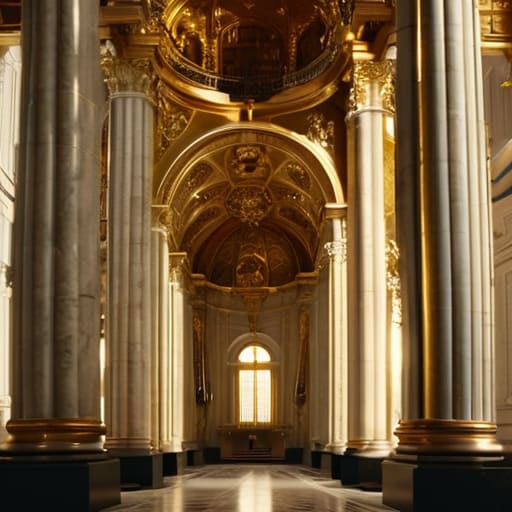
If you stand in a mid-16th-century chapel and then move into a space designed a few decades later, you don’t just see a change in decor; you feel a change in the air. In the earlier Renaissance structures, light is a democratic thing—it washes evenly over surfaces, celebrating the clarity of the geometry. But as we move through the renaissance to baroque evolution, light stops being a way to see the stone and starts being a way to hide it. The architects began to treat light as a physical material, something to be carved and channeled.
This is where the chiaroscuro technique development moves from the canvas of painters like Caravaggio directly into the masonry. I often find myself tracing the deep, aggressive recesses of a window embrasure or the heavy, undercut moldings of a cornice, just to see how the shadow pools there. They weren’t satisfied with the flat, predictable illumination of the past. Instead, they engineered voids—deep niches and protruding columns—specifically to trap darkness. It’s a deliberate, almost violent manipulation of the sun to create a sense of movement, making the heavy travertine feel as though it is pulsing with a hidden, rhythmic life.
Chiaroscuro Technique Development in the Mortar and Paint
When we talk about chiaroscuro, we usually drift toward Caravaggio’s canvases, but I find the real drama in the physical depth of the masonry itself. As the transition progressed, architects stopped treating the wall as a flat, passive plane. Instead, they began carving deep, aggressive recesses into the moldings and cornices, creating pockets of shadow that no amount of sunlight could fully erase. It is a deliberate manipulation of the building’s skin; the stone is no longer just a boundary, it is a sculptural instrument designed to trap the dark.
This intensity carries over into the way lime washes and pigments were applied to the plaster. We see a shift from the even, calm light of the Renaissance toward a more calculated layering. By using varying thicknesses of pigment and textured lime mortars, craftsmen could ensure that the shadows didn’t just sit on the surface, but seemed to emerge from within the very grain of the wall.
Tracing the Sudden Pulse of Baroque Architectural Characteristics
If you stand in a courtyard designed in the late 1500s and move toward one built in 1650, you don’t just see a change in decoration; you feel a change in the very physics of the space. The Renaissance was a period of polite, predictable math, where every column sat exactly where the geometry demanded. But as we move into the Baroque, that mathematical certainty begins to feel claustrophobic. The straight lines don’t just bend; they seem to recoil from the stillness. You see it in the way a pediment suddenly breaks apart, or how a pilaster no longer feels like a structural necessity but like a limb reaching out into the street.
It is a sudden, restless energy. I often find myself tracing the edges of these newer cornices with my hands, feeling how the architects stopped trying to hide the weight of the stone and started using it to create movement. The heavy, static blocks of the previous century have been replaced by a sense of controlled instability. It is as if the stone has finally stopped being a boundary and has started becoming a wave.
A Symphony of Structure Beyond the Silent Stone
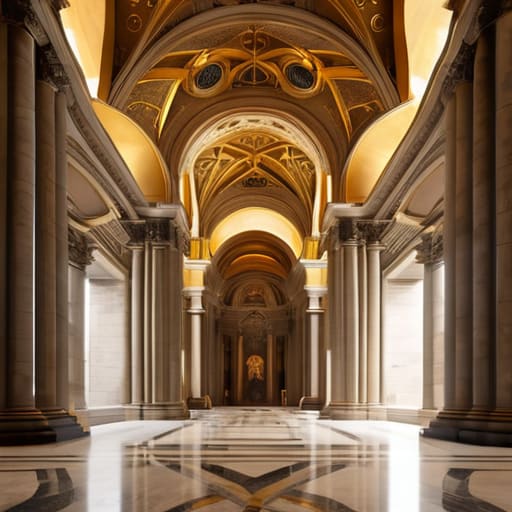
I often find myself standing in the center of a nave, not looking at the gilded altarpiece, but listening to the way the space breathes. There is a rhythmic quality to this era that mirrors the musical shifts in the 17th century—a move away from the steady, predictable pulse of the Renaissance toward something much more syncopated and restless. When you study the transition from the static to the kinetic, you realize that architects weren’t just stacking blocks; they were composing. The stone begins to behave like a stringed instrument, where the tension in a curved pediment or the sudden swell of a column creates a visual crescendo that demands a physical response from the viewer.
It is a sensory orchestration. While the renaissance to baroque evolution is often discussed in terms of mere decoration, I see it as a fundamental change in the structural tempo. The heavy, grounded logic of the previous century is being interrupted by sudden, sweeping movements. You can feel it in the way a doorway no longer simply sits in a wall, but seems to surge forward, catching the light in a way that feels almost performative. It is no longer enough for a building to simply exist; it must now participate in a grand, unfolding drama.
Rhythmic Echoes and Musical Shifts in the 17th Century
When I stand in the center of a mid-17th-century nave, I don’t just see the curvature of the vaults; I feel a tempo. The Renaissance was a steady, metronomic beat—a predictable sequence of columns and pediments that allowed your eye to rest. But as we move into the Baroque, that steady pulse breaks. The architecture begins to move in syncopated rhythms, where a sudden protrusion of a Corinthian capital or the deep, aggressive recession of a niche forces your gaze to skip a beat. It is no longer a calm walk through a courtyard; it is a choreographed dance of stone.
You can see this shift in the way the pilasters are spaced. They no longer sit like soldiers in a perfect, silent line. Instead, they crowd together or pull apart, creating a visual crescendo that mimics the tension of a string section. It is a calculated instability that makes the heavy masonry feel as though it is breathing, caught in a perpetual state of swell and decay.
The Decisive Hand Behind the Curving Facade
When I am out on a site, tracing the edge of a concave facade, I don’t just see a shape; I see the physical struggle of the mason. To move from the flat, predictable planes of the Renaissance to these undulating, breathing surfaces required a complete abandonment of the “safe” math we used to rely on. You can see it in the way the stone blocks—the conci—begin to vary in depth. The architect wasn’t just sketching a curve on parchment anymore; they were forcing the stone to behave like fabric.
It requires a specific kind of bravado, a willingness to risk structural instability for the sake of a shadow. I often find myself running my fingers over the joints where the transition occurs, looking for those tiny, frantic adjustments in the mortar. It’s here, in the deliberate imperfection of the stone-cutting, that you realize the architect was no longer just a mathematician, but a conductor directing a heavy, silent orchestra of granite and marble.
The Living Pulse of the Transition
When we look back at this period, we aren’t just looking at a change in fashion, but at a fundamental shift in how stone was commanded to behave. We have traced the way the rigid, mathematical certainty of the Renaissance began to buckle under the weight of Mannerist tension, eventually giving way to a language of curves, light, and deep shadow. It was a time when the quiet geometry of the past was replaced by a theatricality that demanded attention, where the mortar itself seemed to hold a more frantic, emotional energy. From the way a facade begins to undulate to the deliberate use of chiaroscuro to guide the eye, the transition was a slow, deliberate breaking of the straight line in favor of a more human, breathing architecture.
As I walk through these old streets, running my fingers over a joint where a Renaissance block meets a more restless, Baroque carving, I am reminded that architecture is never truly finished. It is a continuous conversation between the laws of physics and the whims of the spirit. The transition to the Baroque teaches us that stability is not always found in the static, but often in the dynamic tension between opposing forces. Next time you stand before a building, don’t just look at the ornament; look for the moment the stone decided to move. That is where you will find the true heartbeat of history.