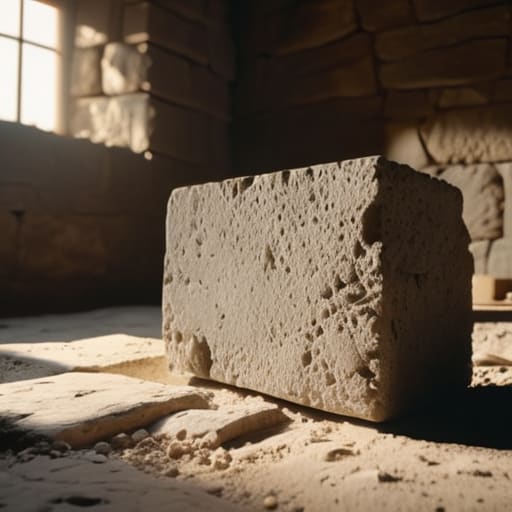
I remember standing in a dusty yard outside of Syracuse three years ago, watching a contractor reject a perfectly magnificent block of limestone simply because it didn’t match a catalog photo. He was looking for a color match, but he was completely blind to the grain, the porosity, and the way the light would eventually settle into the surface. People often think that sourcing stone for repairs is a simple matter of finding something that looks “close enough” to the eye, but that is a dangerous, superficial way to treat a building. If you ignore the geological soul of the original material, you aren’t repairing a structure; you are merely applying a mask that will eventually crack and fail.
I am not here to give you a list of expensive suppliers or glossy brochures. Instead, I want to show you how to actually read the stone so you can find a match that respects the original mason’s intent. We are going to talk about the grit of the matter: how to identify mineral composition, how to test for breathability, and why the most important part of the process happens with your hands, not a computer screen.
Table of Contents
Deciphering the Grain Matching Natural Stone Textures
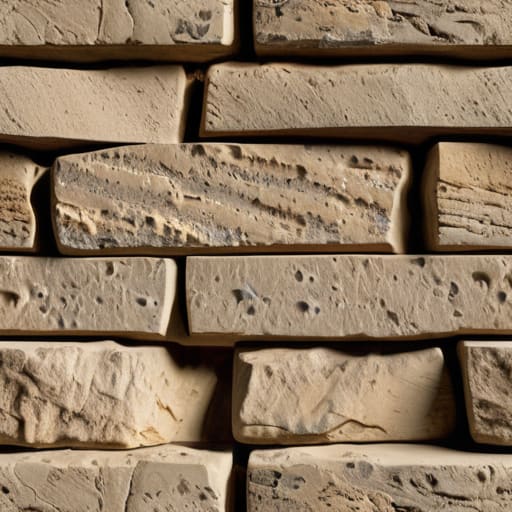
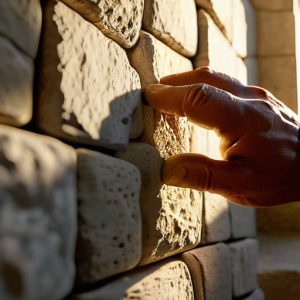
When I’m standing in front of a weathered facade, I’m rarely looking at the color first. Color is a liar; it changes with the humidity, the slant of the afternoon sun, or a century of soot. What actually matters is the tactile language of the surface. I find myself tracing the way a chisel left its mark, or how the wind has slowly rounded a sharp edge. To succeed at identifying historical masonry materials, you have to look past the pigment and understand the grain. Is it a dense, tight-grained limestone that resists the elements, or a more porous calcarenite that breathes with the sea air?
If you try to force a perfectly smooth, modern slab into a wall of hand-tooled, pitted stone, the repair will scream. It’s a visual dissonance that ruins the integrity of the whole. I often spend hours photographing the way light catches the micro-fissures in a single block, trying to understand the rhythm of the texture. When you are finding replacement stone slabs, you aren’t just looking for a physical match; you are looking for a material that shares the same soul and weathering pattern as the original. You want a stone that will age alongside its neighbors, rather than one that stands apart as a stranger.
The Silent Fingerprint of Old Mortar and Bedding
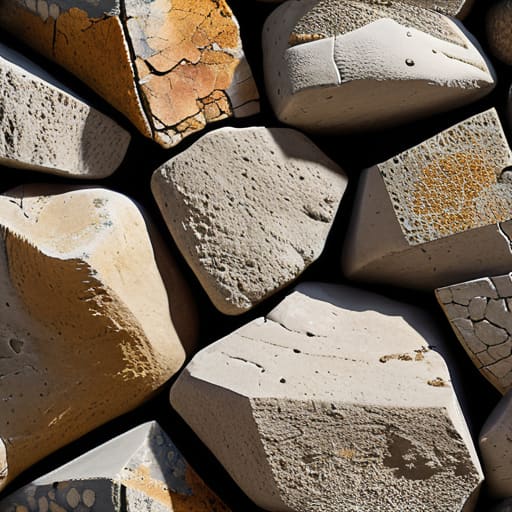
If the stone is the body of the building, then the mortar is its connective tissue, and you cannot treat one without understanding the other. I often find myself kneeling in the dust of a crumbling facade, not looking at the blocks themselves, but at the gaps between them. To truly succeed in identifying historical masonry materials, you have to look at the aggregate. Was it crushed volcanic tuff? Fine river sand from the Po valley? Or perhaps a coarse, local limestone grit? The way the mortar holds together tells you exactly what kind of binder was used, and if you get the recipe wrong, your new stone will eventually reject the old one.
It isn’t just about color; it’s about the mechanical soul of the joint. I’ve seen countless well-intentioned repairs fail because a modern, cement-heavy mix was forced into a soft, lime-based history. It’s too rigid; it doesn’t breathe. When I’m searching for architectural stone salvage or new material, I’m always looking for that specific porosity that allows the mortar to perform its job. You aren’t just filling a void; you are recreating a chemical relationship that has survived centuries. If the bedding doesn’t match the original’s ability to manage moisture, the most beautiful stone in the world won’t save the wall from cracking.
The Weight of the Decision
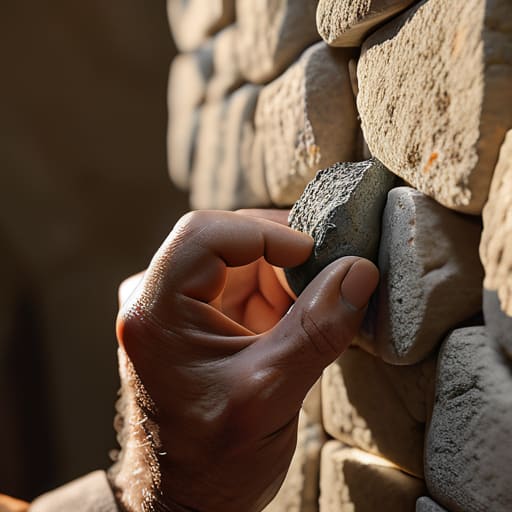
Ultimately, sourcing the right stone is never a simple matter of checking a catalog or matching a shade of beige. It is a process of forensic investigation that requires you to respect the grain, the mineral composition, and the specific way the original mason laid the bedding. When we ignore the subtle nuances of texture or the chemical reality of the old mortar, we aren’t just making a cosmetic mistake; we are introducing a structural dissonance that can cause the very walls we love to fracture. To find the right match, you must look past the surface and understand the physical dialogue between the new material and the old.
I often find myself standing before a weathered facade, my camera lens focused on a single, jagged tool mark, and I am reminded that we are merely temporary custodians. Every piece of stone we select for a repair is a decision that will outlive us, a silent contribution to a story that began centuries ago. Don’t just aim for a repair that looks seamless; aim for one that honors the intent of the hands that came before. When we get it right, the building doesn’t just stand—it breathes, carrying its history forward without the interruption of our own mistakes.