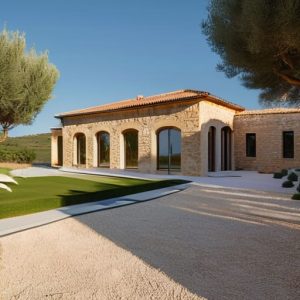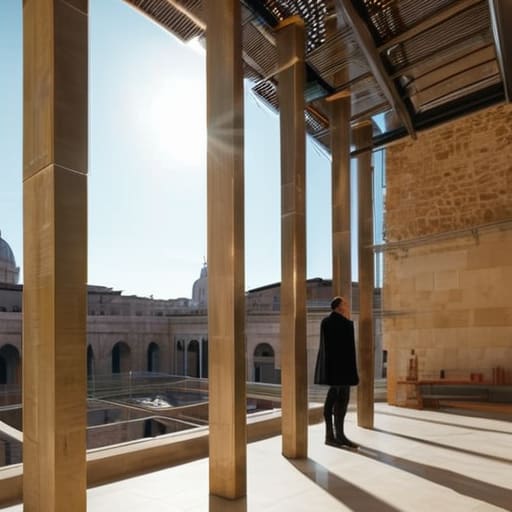
I was standing in a dusty construction site outside of Milan last Tuesday, staring at a junction where a sleek, glass curtain wall was being forced against a sixteenth-century travertine block. The architect was busy discussing “transparency” and “dialogue” in a glossy brochure, but all I could see was the violent friction of two eras refusing to shake hands. People often mistake the flash of a new silhouette for actual talent, but when we talk about contemporary architects working in italy, we shouldn’t be blinded by the shiny renderings that look great on a screen but fail the moment they touch the soil.
I’m not here to give you a curated list of celebrity names or the kind of breathless praise you find in design magazines. Instead, I want to look at the actual mechanics of how these modern practitioners are negotiating our heavy, stubborn history. I will show you which designers are truly respecting the logic of the masonry and which ones are merely slapping glass onto a masterpiece without understanding the weight beneath it. We are going to look past the ego and focus on the integrity of the build.
Table of Contents
Negotiating the Scar Where Old Stone Meets New Steel
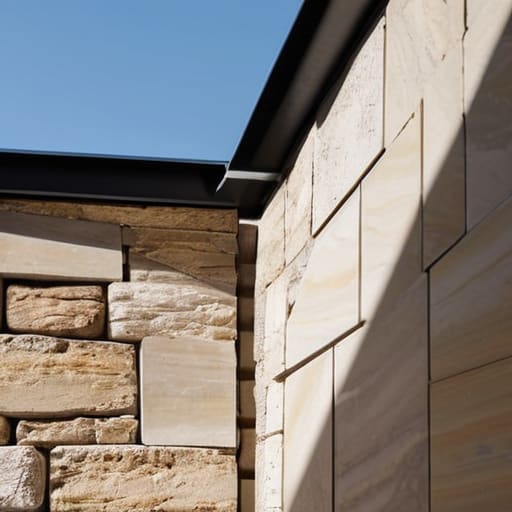
I spent three hours yesterday in a small courtyard near Brera, just staring at a junction where a sixteenth-century travertine block had been sliced clean to accommodate a glass-and-steel cantilever. Most people see a collision; I see a conversation. This is where the real work of innovative Italian building design happens—not in the grand silhouette of a new museum, but in that millimeter-wide gap where the old masonry is allowed to breathe against the cold precision of a steel beam. You cannot simply shove new materials into old voids. If you don’t respect the way the original stone settles, the new structure will eventually fight it, and the stone always wins the long game.
When I look at the projects coming out of the top architectural studios in Rome or the more experimental workshops in Milan, I look for this specific tension. The best practitioners aren’t trying to mimic the past or erase it; they are negotiating with the scars. They understand that a successful intervention requires a deliberate, respectful distance between the eras. It’s about finding a way to let the heavy, hand-tooled history of a wall exist alongside the lightness of modern engineering without one swallowing the other. That is the true craft of the contemporary era.
The Silent Dialogue Between Ancient Mortar and Glass
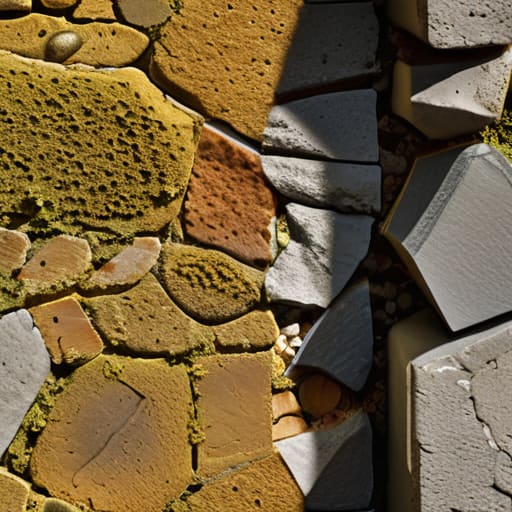
I spent yesterday afternoon in a courtyard near Trastevere, tracing the line where a sixteenth-century lime mortar meets a seamless pane of structural glass. It is a precarious, beautiful conversation. When we talk about innovative Italian building design, we often focus on the silhouette or the audacity of the cantilever, but I find myself staring at the interface. There is a specific, quiet tension in how a contemporary intervention respects the breathability of ancient masonry. If the new material is too rigid, too unforgiving, it doesn’t just sit against the old wall; it chokes it.
Many of the award winning architects in Milan have mastered this delicate equilibrium, understanding that a glass curtain wall isn’t just a window, but a transparent membrane that must acknowledge the weight of the stone behind it. It isn’t enough to simply graft the new onto the old. You have to understand the chemistry of the lime, the way it expands and contracts with the Roman humidity, and ensure the new structural elements don’t turn that historic wall into a prisoner of its own stability. To me, the real success of modern Italian architectural firms lies in this ability to let the old stone continue its slow, centuries-long exhale.
The Unfinished Conversation
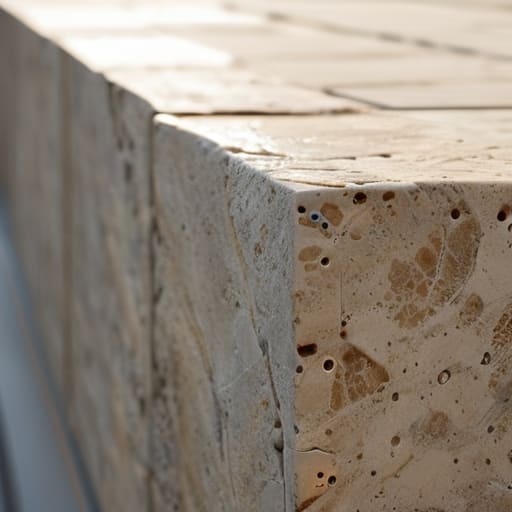
Ultimately, what we see in these contemporary interventions is not a conquest of the new over the old, but a complex, often difficult negotiation. Whether it is the way a glass curtain wall rests against a weathered travertine block or how a steel beam is anchored into a Roman foundation, the success of these projects lies in the integrity of the connection. We have seen that the most profound architectural statements in Italy today are not made through grand, sweeping gestures, but through the micro-decisions of the joint—the precise, quiet moments where two different centuries are forced to inhabit the same physical space without erasing one another.
As I walk through these sites, I find myself looking less at the finished facades and more at the seams. It is easy to be dazzled by a silhouette, but the soul of the work is found in the friction. We must stop viewing conservation and innovation as opposing forces; instead, we should see them as a continuous, living lineage. If we learn to read the scars and the stitches, we realize that every new layer of stone or steel is simply adding a new sentence to a story that began millennia ago. The building is never truly finished; it is merely waiting for the next hand to touch it.